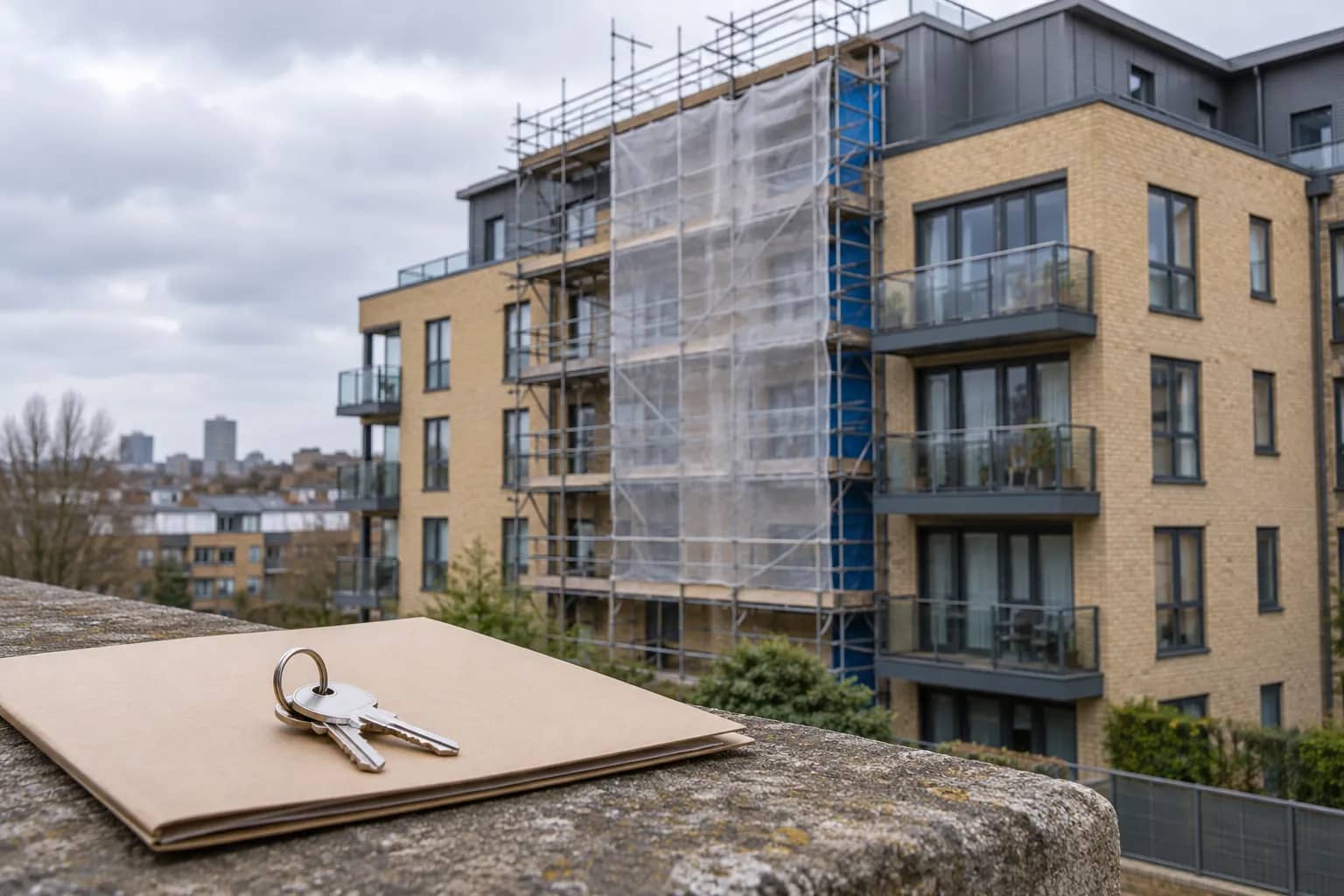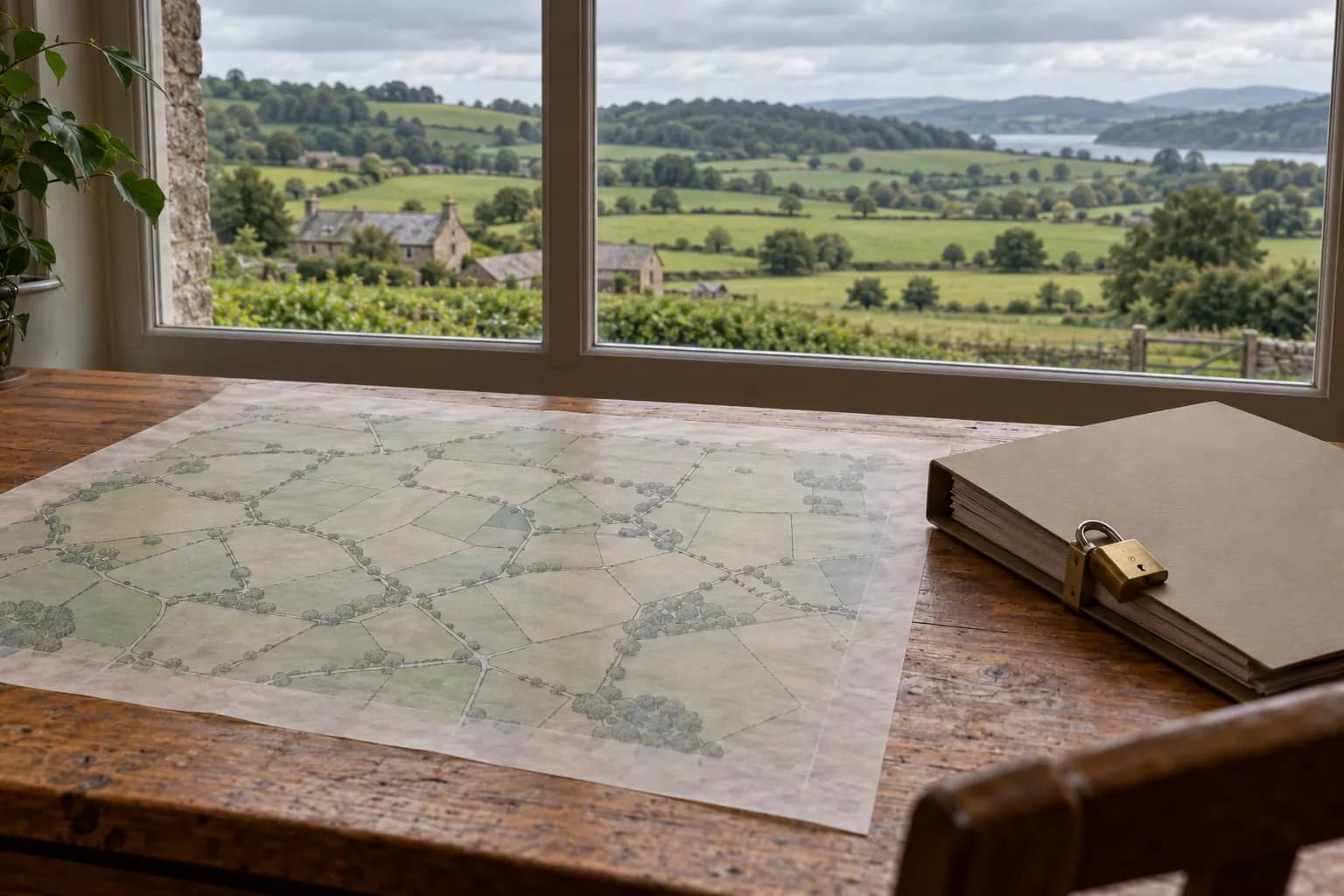
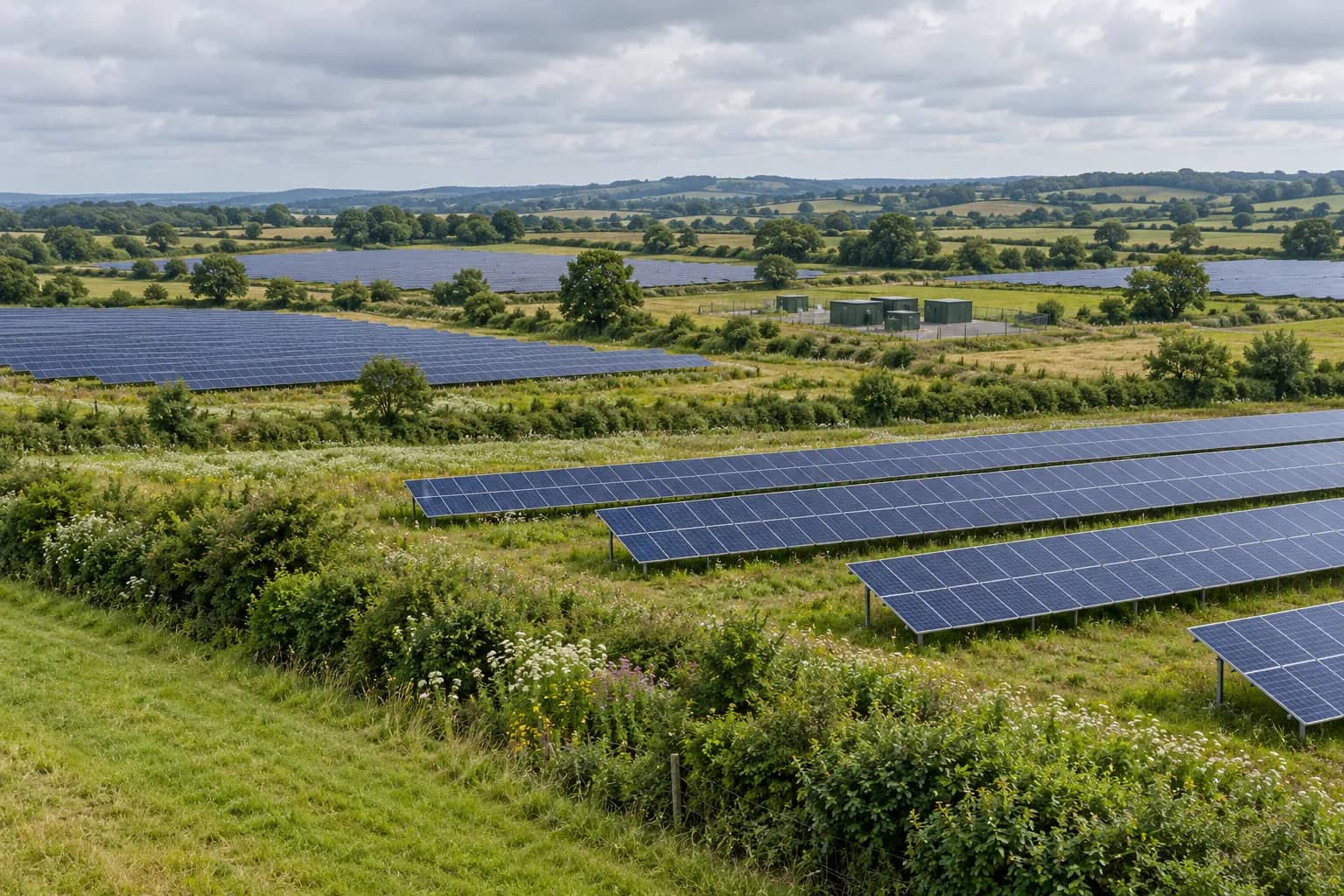
The Great North Road Solar and Biodiversity Park in Nottinghamshire has received development consent, moving the proposed 800 MW scheme beyond the application stage. The decision, announced on 27 October, approves the project with modifications. It is a planning decision, not an announcement that the solar park has been built or started supplying electricity.
Minister Curran made the decision on behalf of the Secretary of State for Energy Security and Net Zero. The official announcement covers solar generation, battery storage and associated grid infrastructure. The project would be located northwest of Newark, within the Newark and Sherwood district.
What the consent covers
The government's decision letter describes a connection to the National Grid allowing the import and export of 800 MW. Around 1,025 hectares of the 1,765 hectares inside the order boundary would be used for panels and other above-ground works. The remaining areas would accommodate underground cables, mitigation and enhancement works. The entire boundary should therefore not be described as land covered by solar panels.
The submitted development comprised ground-mounted photovoltaic generation, cable connections, intermediate substations and battery energy storage. It also included a substation of up to 400 kV, alterations at the existing Staythorpe substation and access works. These components explain why the application covers a wider area and more infrastructure than the generating panels alone.
The applicant, Elements Green Trent Limited, submitted the application on 27 June 2025. It was accepted for examination on 22 July that year. The examining inspectors sent their findings and recommendation to the government on 28 July 2026. The consent announced this week is the later decision on that application, rather than a newly submitted proposal.
Before reaching its decision, the government sought further information on 27 August, 30 September and 12 October. Its consideration included the examination report and local impact reports from Newark and Sherwood District Council and Nottinghamshire County Council. The decision letter records 226 relevant representations in the examination process.
Energy need weighed against land impacts
The approval does not mean the government found the scheme free of adverse effects. In its planning balance, it gave substantial positive weight to the need for the development, but great negative weight to landscape and visual effects. Agricultural land impacts received moderate negative weight, while biodiversity and ecology received moderate positive weight.
The decision accepted a permanent loss of agricultural capability across approximately 26.9 hectares of land classified as best and most versatile. That includes land intended for woodland planting. The assessment distinguishes the ability to use land for agriculture from whether its soil is physically damaged. It does not describe all land within the project boundary as permanently lost to farming.
The government concluded that the benefits, including the need for the project, outweighed its adverse impacts after taking account of mitigation secured through the order. That is the decision-maker's assessment. It should not be read as evidence that the proposed environmental improvements have already occurred.
Monitoring commitments remain part of delivery
The decision letter also addresses how ecological information will be shared. Survey and monitoring data generated before, during and after construction, as well as during operation, are to be provided to the Nottinghamshire Biological and Geological Records Centre. Relevant national and regional recording schemes are also covered where the local centre does not share the data with them.
The outline landscape and ecological management plan secures minimum biodiversity net gains of 40% for habitat units, 17% for hedgerow units and 10% for watercourse units, according to the decision letter. These are different categories measured using the government's biodiversity metric, not percentages to add together. They are commitments for delivery, rather than measured improvements already achieved.
These provisions sit alongside environmental management plans and requirements attached to the development consent. The government accepted the examining authority's recommendation to make the order, with modifications. Its published announcement does not provide a construction start or commissioning date, so the approval alone should not be presented as an operating timetable.
The official project register contains the decision letter, the made development consent order and the examining authority's recommendation. Readers can distinguish the final consent documents dated 27 October from earlier application and examination material in the same record.
For separate reporting on land information and agricultural policy, Dalimss News has covered proposals for wider access to England and Wales land-ownership records and the EU's negotiating position on future farm support. Neither policy process forms part of this solar consent.
Contains public sector information licensed under the Open Government Licence v3.0.