
Doctors Warn Against Self-Medication for Abortion in Varanasi
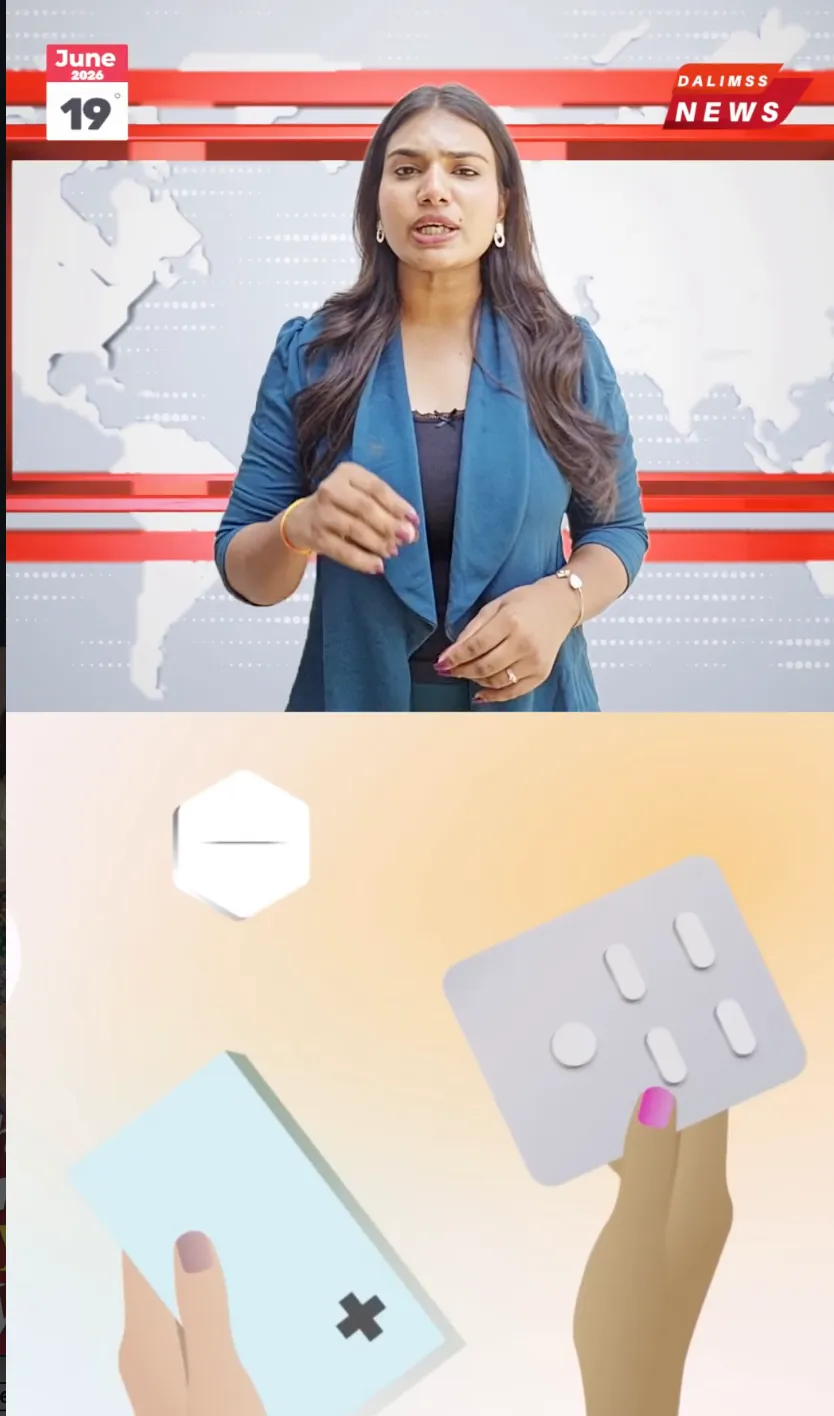
VARANASI — A disturbing trend is emerging in Varanasi’s healthcare landscape: an increasing number of young women are facing severe medical complications due to the unauthorized use of abortion pills.
According to reports from leading medical institutions, including Banaras Hindu University (BHU) and several private healthcare centers, hospitals are documenting more than 10 cases every day of patients requiring urgent medical intervention after self-administering termination medication without professional guidance.
The Hidden Dangers of Self-Medication
Medical experts emphasize that abortion pills are not over-the-counter wellness products; they are potent medications that require a precise clinical assessment. Taking these pills without a preliminary examination—such as an ultrasound to confirm the gestational age and location of the pregnancy—can have life-threatening consequences.
Doctors have identified several recurring complications resulting from this practice:
Excessive Hemorrhage: Uncontrolled bleeding that often necessitates emergency blood transfusions.
Severe Infection: Risk of sepsis if the termination is not managed in a sterile clinical environment.
Incomplete Termination: Often requiring painful and high-risk surgical procedures (D&C) to clear the uterus.
Ectopic Pregnancy Risks: If the pregnancy is located outside the uterus, abortion pills are ineffective, and the delay in diagnosis can lead to a fatal rupture.
The Regulatory Gap
The prevalence of these cases highlights a significant gap in pharmaceutical oversight. Despite strict regulations governing the sale of pregnancy termination drugs, health experts note that these medicines remain alarmingly easy to obtain from certain local medical stores without a valid prescription.
"These medications must only be taken under the supervision of a qualified gynecologist or healthcare professional," stated a senior doctor. "The ease of access bypasses the vital medical counseling and safety checks that protect a woman’s long-term health."
Related Stories

Ramnagar Constable’s WhatsApp Resignation Withdrawn After ACP Counselling

Municipal Commissioner Inspects Jangambadi Ward 89 Sewer Overflow and Damaged Lanes

Civic Body Invites Tenders for ₹13 Crore Drainage Works in Newly Extended Areas

Mirzamurad Police Arrest Mother After Probe Finds Role in Stepdaughter Assault Case

Sigra Police Arrest Man Over Alleged ₹6 Lakh Fake BHU Assistant Professor Letter
