CSAB Special Round 2 Allotment Out; Reporting Runs to August 18
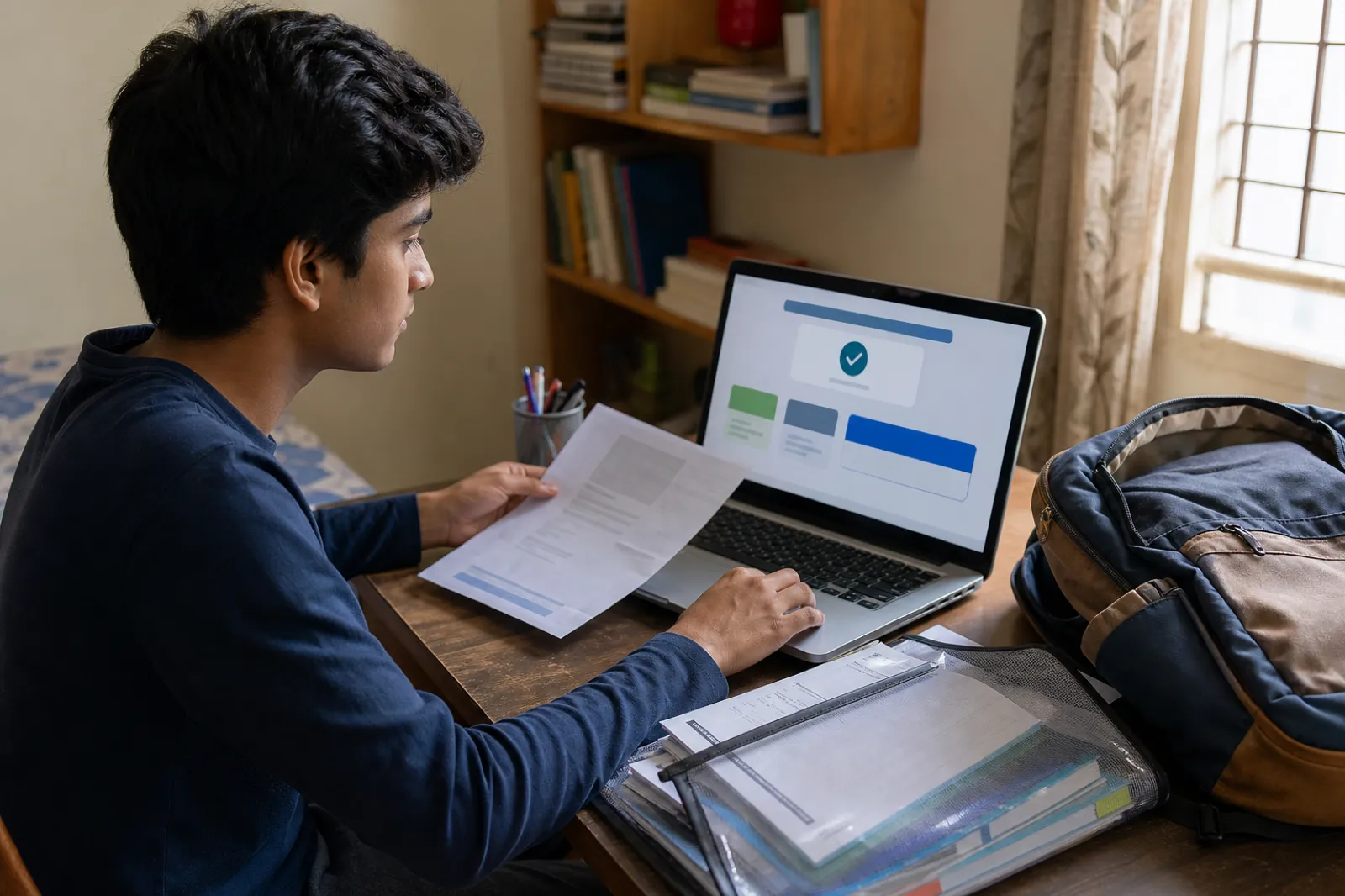
The Central Seat Allocation Board has released the second special-round allotment for 2026, giving candidates the outcome of the final special allocation based on JEE Main rank, submitted choices and remaining seats. The result became available on the evening of August 12 through the official CSAB portal.
An allotment is the beginning of a short compliance window, not a completed admission. The published schedule requires candidates to pay the seat-acceptance fee, upload documents and complete online reporting between August 12 and August 14. Responses to document-verification queries can continue until August 17, and candidates must meet the allotted institute’s reporting requirement by August 18.
Applicants should download the allotment letter from their own login and read the status shown there. The document will be needed during reporting. A screenshot of the dashboard is useful as a backup, but it does not replace the letter, payment receipt or provisional admission document issued through the process.
CSAB provides several willingness options, each with a different effect. Freeze accepts the seat without seeking an upgrade. Slide accepts it while seeking a higher-preference programme in the same institute. Float keeps the seat while allowing consideration for a higher preference in another institute or programme, where the rules permit. Surrender, withdraw and exit do not all produce the same refund or future eligibility. Candidates should read the current business rules before selecting an option; the everyday meaning of the words is not enough.
Document verification is active, not automatic. If an officer raises a query, the candidate must respond inside the portal by the deadline. Email and dashboard notifications should be checked several times a day during the window. An unclear scan, outdated category certificate or mismatch in the name can hold an application even after the fee has been paid.
The special rounds fill seats left after the main JoSAA process across participating NITs, IIITs and other centrally funded technical institutions. They do not recreate the vacancy position from the first round. Candidates should judge the offered institute and branch on their own merits, considering curriculum, accreditation, cost, housing and travel rather than assuming that every later-round seat is a poor option or an automatic stepping stone.
Those already associated with another seat should pay particular attention to withdrawal and fee-adjustment rules before acting. Accepting a CSAB allotment may affect an earlier arrangement, and failure to report can carry consequences under the counselling rules. Where the portal and an institute instruction appear to conflict, candidates should create a written ticket with CSAB and retain the response.
Reporting arrangements can include online steps followed by physical presence at the institute. Candidates should use the allotted college’s official website to confirm venue, timing, originals, photocopies and hostel formalities. Travel should leave room for disruption; a late arrival is rarely excused because document upload was completed online.
The allocation settles the competition for a seat, but administration now determines whether the seat is retained. The safest sequence is to download the letter, choose willingness deliberately, pay through the portal, answer every query and obtain a final acknowledgement from the institute. Until that last record exists, the admission file is still moving.
Sources and reporting
Based on the CSAB 2026 counselling portal, Special Round 2 allotment and reporting schedule released on 12 August 2026.
Related Stories

Sector 17 Food Court Fire Blasts Two LPG Cylinders
Signature Global Plans 194-Acre Farrukhnagar Villas

Malda Arrest in Chakkarpur POCSO Case

Army Officer Flags Sector 106 C&D Waste Centre

Registrar Tells Aura RWA to Open Park to EWS