VARANASI: A Varanasi court has registered a complaint against six people in a dispute over an alleged ₹44-lakh flat transaction and fixed October 15 for the next hearing.
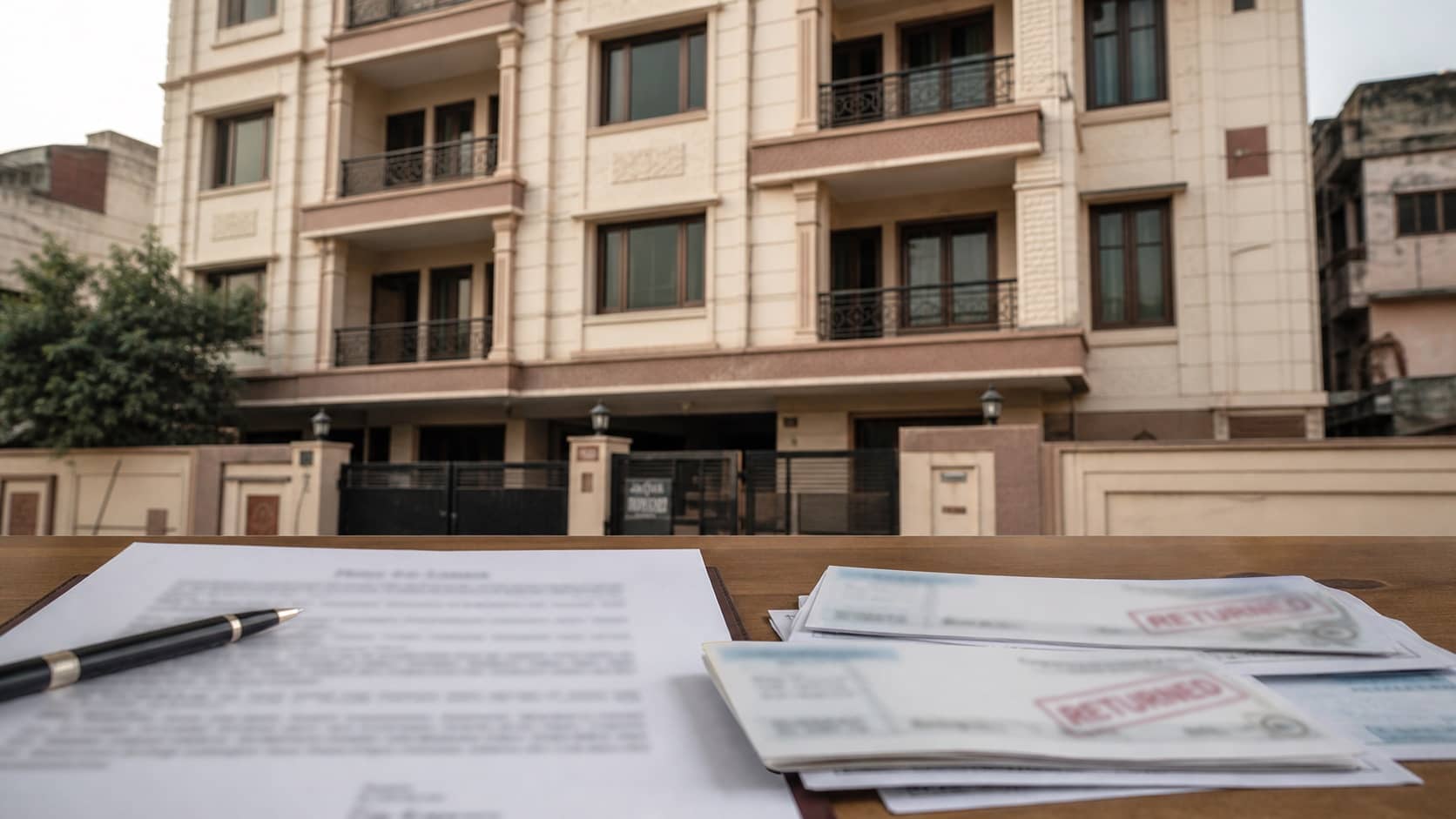
Additional Chief Judicial Magistrate Neeraj Kumar Tripathi acted on a petition filed by Pradeep Kumar through advocate Ashish Dubey, according to the court report. The complainant said he agreed to purchase a three-bedroom flat on the fourth floor of a building in Kanchanpur and paid ₹25 lakh to company director Avinash Upadhyay. A notarised document was executed on August 20, 2020, and a housewarming was held on September 3, he alleged.
The complaint says the registry was repeatedly delayed and that Raghvendra Pratap Singh later asserted a claim over the same flat and changed the locks. It further alleges that cheques for ₹6 lakh and ₹7 lakh were dishonoured. A WhatsApp agreement cited by the complainant allegedly stated that money had been received by director Santosh Dubey.
The petition also refers to a former BJP MLC who later served as a minister, alleging that he was a director at the time and that his name was used to threaten the complainant. The report says he left the company in 2023. These are allegations before a court; registration of a complaint is not a finding that any named person committed fraud.
The complainant said he approached the police commissioner on July 22, 2025 before seeking court action. The judicial process will now determine what evidence is summoned, whether the accused are called and how the competing property claims are tested.
Flat disputes often sit at the boundary between civil disagreement and criminal allegation. A delayed registry or title conflict may require civil relief, while deception at the time money was taken can raise criminal questions. The court must examine the intention, documents, payment trail and representations made when the agreement was formed.
For homebuyers, the case is a reminder to verify title, approved plans, encumbrances and the authority of the person accepting money before making a large payment. A notarised agreement records signatures but does not substitute for a registered conveyance or independent title search. Buyers should pay through traceable banking channels and keep every receipt and message.
Developers and company officers, equally, are entitled to place their records and explanation before the court. Public reporting should not treat the complainant’s version as a verdict or assume liability based only on a political designation.
The October 15 listing is the next procedural milestone. Until the court hears evidence and issues reasoned orders, the accurate description is an alleged flat fraud under judicial examination. The case may ultimately clarify whether the dispute arose from broken contractual promises, deliberate deception or facts not yet present in the public record.