
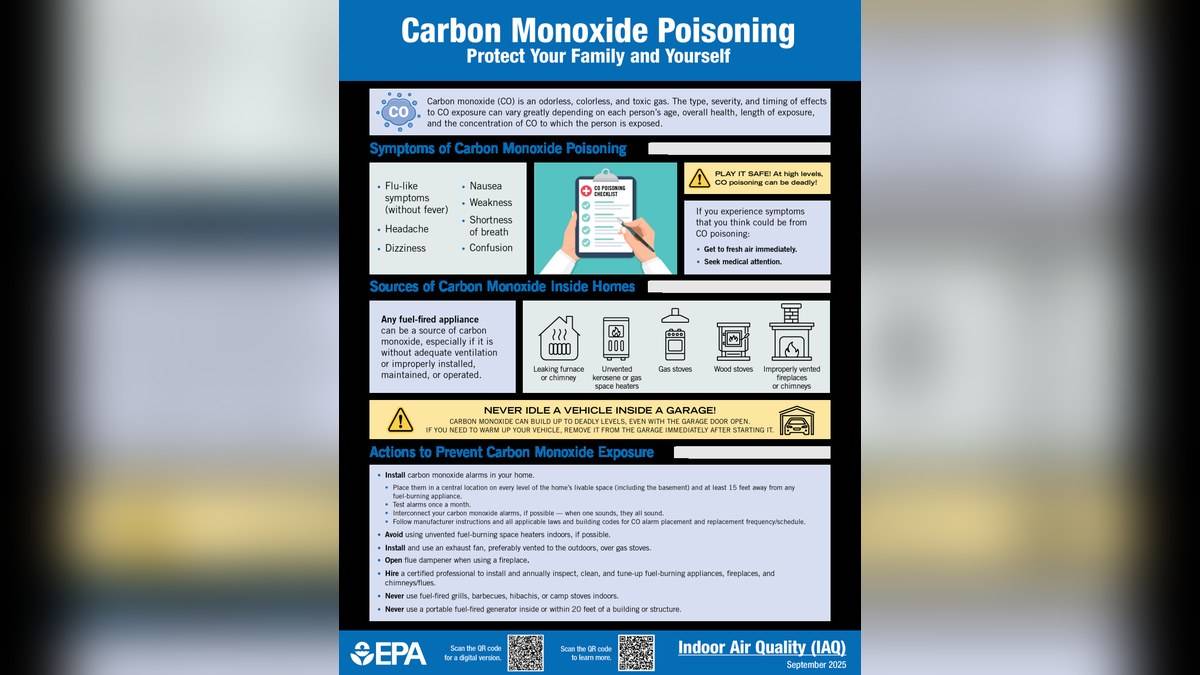
Carbon monoxide poisoning symptoms can include headache, dizziness, weakness, nausea, vomiting, chest pain and confusion. The gas has no colour or smell, so symptoms around a fuel burning heater, stove or fire need urgent attention. If exposure is suspected, go outside into fresh air, seek medical help and do not return to the building until you have received safety advice.
The winter relevance for Indian households is explicit in official guidance. A Ministry of Health and Family Welfare air pollution advisory, circulated with a letter dated 1 November 2025 and available on the NCDC website, warns against burning wood or charcoal in an angithi in closed, confined conditions during winter. This is a standing safety warning, not a report of a new poisoning incident.
| Question | What to know |
|---|---|
| Can you smell carbon monoxide? | No. It is odourless and colourless. |
| What can symptoms resemble? | Flu, with headache, weakness and nausea among the possible signs. |
| What is the immediate priority? | Leave the exposure area and seek medical help. |
| What number can people in India call in an emergency? | 112, the national integrated emergency number. |
What are the symptoms of carbon monoxide poisoning?
The CDC's carbon monoxide guidance lists headache, dizziness, weakness, an upset stomach, vomiting, chest pain and confusion as common symptoms. Breathing in a large amount can lead to loss of consciousness or death. A symptom list cannot establish the cause at home.
The NHS carbon monoxide page explains that symptoms may come and go. They can become worse in an affected room or building and improve after leaving it. Tell medical staff if symptoms changed with the surroundings. Do not deliberately return indoors to test whether they happen again.
The EPA describes possible symptoms as flu-like, sometimes without fever. That resemblance can be misleading. Our flu symptoms guide discusses infection separately; a possible fuel exposure needs its own urgent assessment rather than an assumption that the illness is seasonal flu.
How can heaters, stoves and an angithi create a risk?
Carbon monoxide can be produced when fuel burns. The NHS identifies gas, wood, oil and coal as relevant fuels. It says heating and cooking appliances can produce the gas when they are faulty, poorly maintained or incorrectly installed. The concern is the combustion and the conditions in which it takes place.
The Indian advisory's angithi warning is especially relevant when warmth is sought inside an enclosed room. The practical message is to avoid burning wood or charcoal in those confined conditions. The CDC separately says never to burn charcoal indoors, regardless of whether the charcoal appears red, grey, black or white.
The EPA's household safety factsheet also identifies inadequate ventilation, improper installation and poor maintenance as hazards around fuel burning equipment. A room can contain dangerous gas without a warning smell. Looking for visible smoke is not a substitute for following the safety guidance.
What should you do if exposure is suspected?
Go outside and get medical advice as soon as possible. The NHS says to stop using a suspected appliance if you can, then leave and avoid going back into the affected building until you have received advice. Leaving the exposure area takes priority over investigating the appliance yourself.
Difficulty breathing, sudden confusion, loss of consciousness, weakness or chest pain after possible exposure require emergency help. In India, call 112. The Ministry of Home Affairs' ERSS page identifies it as the nationwide integrated emergency number, with calls directed to services including health and fire response.
Tell the emergency responder where the exposure may have happened and what fuel was being burned, if known. Feeling better outside does not establish that the building is safe to enter again. Medical assessment and advice on the affected premises address different parts of the danger.
What does official prevention guidance say?
The CDC advises having heating systems, water heaters and other gas, oil or coal burning appliances serviced by a qualified technician every year. It also calls for annual chimney checks or cleaning because debris can obstruct a chimney. The NHS emphasises proper installation, regular servicing and well maintained flues.
Do not use a gas oven to heat a room or bring a charcoal grill or camping stove indoors. For portable fuel powered generators, the CDC says they must be outside, more than 20 feet from windows, doors and vents. Open doors or windows do not make indoor generator use acceptable.
Who is more vulnerable to carbon monoxide?
Everyone can be affected. The CDC identifies infants, older people and those with chronic heart disease, anaemia or breathing problems as more likely to become ill. It also warns that people who are sleeping may die before noticing symptoms. Prevention should therefore happen before bedtime, rather than depending on someone waking up unwell.
Readers with a heart or breathing condition should consult a qualified doctor about their health concerns, while suspected poisoning requires prompt medical help. For separate background, read our guides to asthma and cold air triggers and breathing warning signs in childhood pneumonia. Neither replaces assessment of a possible carbon monoxide exposure.