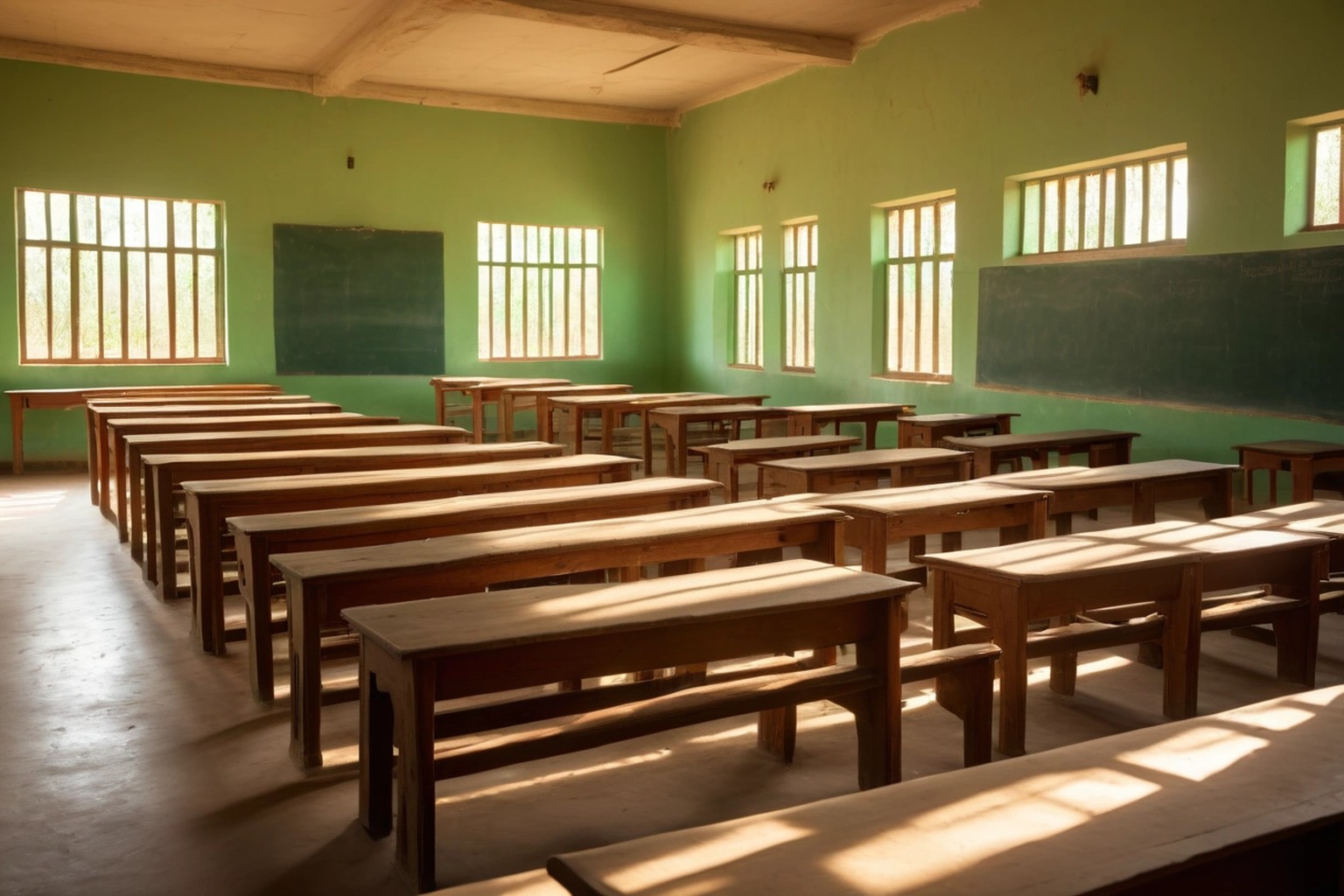
Bihar Forms School Quality and Examination Reform Panels, Plans Student Welfare Directorates

Bihar has constituted two state-level committees to work separately on school quality and examination reform, while also announcing collaboration camps and student welfare directorates across relevant government departments. Chief Minister Samrat Choudhary set out the four measures on Sunday, 9 August, describing them as part of an effort to make the state’s education system more student-centred.
The first committee has been tasked with finding ways to take quality improvement to every school. The government’s stated objective is to develop schools as centres of excellence and produce continuous improvement in learning levels. No membership list, reporting deadline or implementation budget was included in the announcement, so schools should treat it as the beginning of a policy process rather than an immediate change to classroom rules.
The second panel will examine how Bihar conducts board examinations, competitive tests and classroom-based assessments. The Chief Minister said it would recommend ways to make examinations smoother, transparent, fair and modern, including better assessment of knowledge, understanding and analytical ability.
Technology and artificial intelligence are explicitly within the committee’s remit. That is potentially consequential, but the announcement does not say that AI will begin grading answer scripts or making selection decisions. For students and teachers, the careful reading is that the panel will study technology-assisted examination systems and suggest practices; any operational change would require later rules, testing and safeguards.
Those safeguards matter. Digital examination tools can improve scheduling, audit trails and the speed with which anomalies are detected, but they can also introduce new risks involving access, data protection, automated error and opaque decision-making. A credible reform process will therefore need human oversight, an accessible grievance mechanism and clear explanations whenever technology affects a candidate’s result.
The government also plans special collaboration camps at which students can raise problems and suggestions in discussions involving the Chief Minister, ministers, MPs and MLAs. Choudhary referred as well to the Sahyog Portal for student complaints and suggestions, and said officials would hold camps across schools and colleges.
The fourth announcement is the proposed creation of Student Welfare Directorates in all relevant departments. Their purpose, according to the statement, will be to improve coordination and the implementation of welfare-related work. This could be useful in a system where scholarships, examinations, counselling, hostels and grievance redressal often sit with different offices. The practical value, however, will depend on whether the directorates receive defined powers, named officers and service standards that families can understand.
For school leaders, there is no immediate instruction to alter teaching plans, internal assessments or examination procedures. The more useful preparation is to document recurring problems: gaps in subject teaching, weak diagnostic assessment, inaccessible grievance channels, uneven digital infrastructure and delays in welfare support. Evidence from schools and students will be more valuable to the committees than broad declarations.
The announcement is notable because it connects learning quality, examination credibility and student welfare rather than treating them as unrelated files. It is still an agenda, not a completed reform. The next tests will be the composition of the committees, publication of their terms of reference, consultation beyond the capital and a timetable for acting on their recommendations.
Sources and reporting
Based on the Bihar Chief Minister’s public announcement of 9 August 2026 and contemporaneous reporting by The Economic Times/ANI; no original interviews were conducted.
Related Stories
Festive Special to Gorakhpur Gets Gurugram Halt
Fifth Accused Held in Rs 25 Lakh Sector 47 Robbery

Courier Staffer Booked Over 105 Missing One8 Returns
HC Sets Rs 50 Lakh Costs for Accused's Return to India

Gurugram Swimmer, 20, Crosses English Channel