VARANASI: A career conversation at Banaras Hindu University on Wednesday asked MA Social Work students to look beyond the next examination and begin building the professional links that can turn classroom training into sustained work in the field.
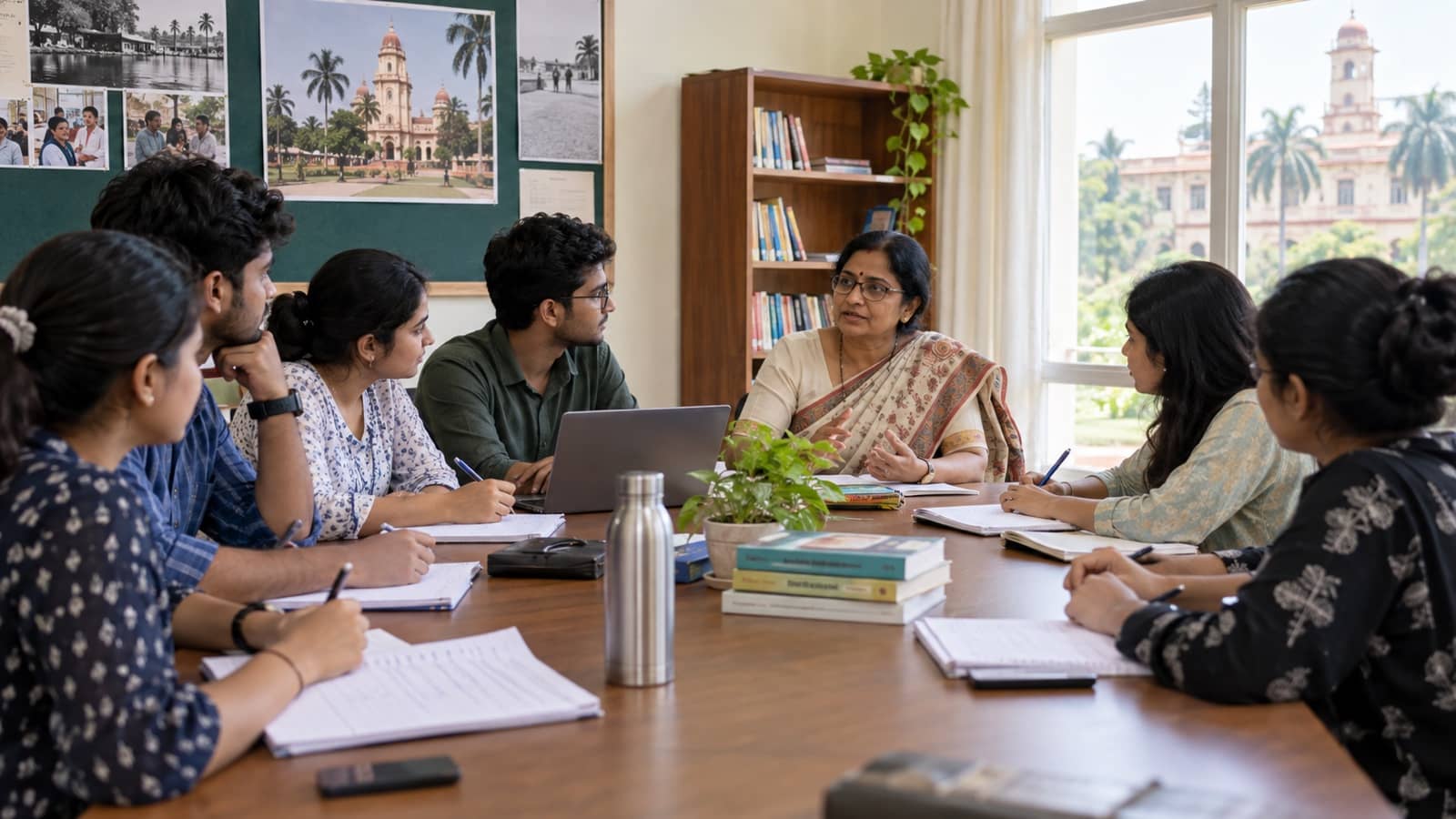
The session was organised by the Department of Sociology for students enrolled in its MA in Social Work programme. Professor Amit Gautam, coordinator of BHU's placement cell, spoke with the group about placement, internships and the range of careers open to trained social-work graduates. He advised students to maintain regular contact with companies, non-government organisations and established institutions instead of waiting for vacancies to reach the department.
One practical proposal was the formation of a dedicated student internship team. Such a group could track openings, verify application deadlines and keep an organised record of contacts and responses. Gautam also told students about the university's placement network, which is connected with roughly 250 companies. The figure matters, but the quality of the match matters more: social-work students need roles that offer supervised field exposure, ethical safeguards and a clear learning plan.
Social work is often described too narrowly as employment with charities. Graduates can work in public health, schools, disability services, child protection, labour welfare, corporate social responsibility, community research and disaster response. Each setting demands a different mix of interviewing, documentation, programme design and case-management skills. Students who understand those differences early can choose internships that test their interests before they commit to a sector.
Department head Professor Shweta Prasad urged students to identify available opportunities and use them fully. Course coordinator Professor V K Lahiri outlined the programme at Sambodhi Auditorium, while students Kirti and Aashay conducted the session. Their involvement gave the event the feel of a working placement conversation rather than a ceremonial lecture.
The next useful step would be a shared opportunity board carrying verified internships, eligibility, stipend details and named contacts. Alumni working in hospitals, development organisations and government programmes could add short mentoring sessions. Students should also be trained to read contracts, protect confidential client information and recognise placements that expect unpaid full-time labour without meaningful supervision.
Wednesday's discussion did not promise jobs, and it should not be judged as one. Its value lay in making the route visible. For a professional programme, that route should begin with a credible internship, continue through documented field experience and end with students able to explain not only what cause they care about, but what work they are trained to do.