BENGALURU: Bellatrix Aerospace describes itself as a space mobility company that builds electric and green chemical propulsion for satellites, with products spanning nano-class thrusters to orbital transfer vehicles, according to its about page.
The firm lists info@bellatrix.aero and has published mission updates on green monopropellant firings, an NSIL memorandum on its Pushpak orbital transfer vehicle, and Project 200, a concept for ultra-low Earth orbit operations.
Pushpak and green propulsion, in Bellatrix's words
Pushpak is presented as a multi-mission orbital transfer vehicle that can host CubeSats and small satellites up to about 750 kg, using a hybrid of electric and green propulsion with a claimed delta-v of up to 7 km/s. A company update says Bellatrix and NewSpace India Limited signed an MoU at Bengaluru Space Expo 2024 to integrate Pushpak into NSIL launch missions.
A January 2025 update describes a successful green monopropellant firing on ISRO's PSLV C60 POEM-4 mission, framed as a third consecutive in-orbit propulsion success for the company. Named executives in those posts include Rohan Ganapathy and Yashas Karanam.
Project 200 and how to read the roadmap
Project 200 is Bellatrix's label for a technology-demonstration idea aimed at roughly 180 km to 250 km altitude, where the company argues latency, imaging resolution and satellite cost curves change. The post presents it as future work powered by a new propulsion approach, not as an already flying commercial constellation.
Dalimss readers following Indian space startups can compare our recent notes on Digantara and GalaxEye. Propulsion suppliers sit one layer below the satellite brands those stories cover.
Satellite operators care about propulsion because station-keeping, collision avoidance and orbit raising decide whether a spacecraft earns its keep. Bellatrix is selling into that subsystem market rather than launching its own full Earth-observation brand.
The NSIL MoU language emphasises rideshare flexibility: an OTV can drop satellites into different orbits after a shared launch, which is valuable when customers refuse to wait for a perfect dedicated slot. Hosting-as-a-service, as Bellatrix describes it, targets experiments that cannot fund a whole satellite bus.
Green monopropellant packages are meant to cut hydrazine handling costs at integration facilities. In-orbit firing updates are Bellatrix's proof points. Outside analysts will still want thrust, specific impulse and burn-duration tables before calling a design qualified for a given satellite mass.
Project 200's ultra-low orbit pitch is ambitious because atmospheric drag normally kills satellites quickly at those altitudes. Bellatrix argues propulsion breakthroughs can hold altitude for years. Until a demo flies, it remains a roadmap slide with engineering rationale.
Bengaluru's space startup density means Bellatrix competes for talent with launch, imaging and SSA firms covered elsewhere on this desk. Its public MoU and POEM firing posts are the concrete artefacts available without a fresh equity press release.
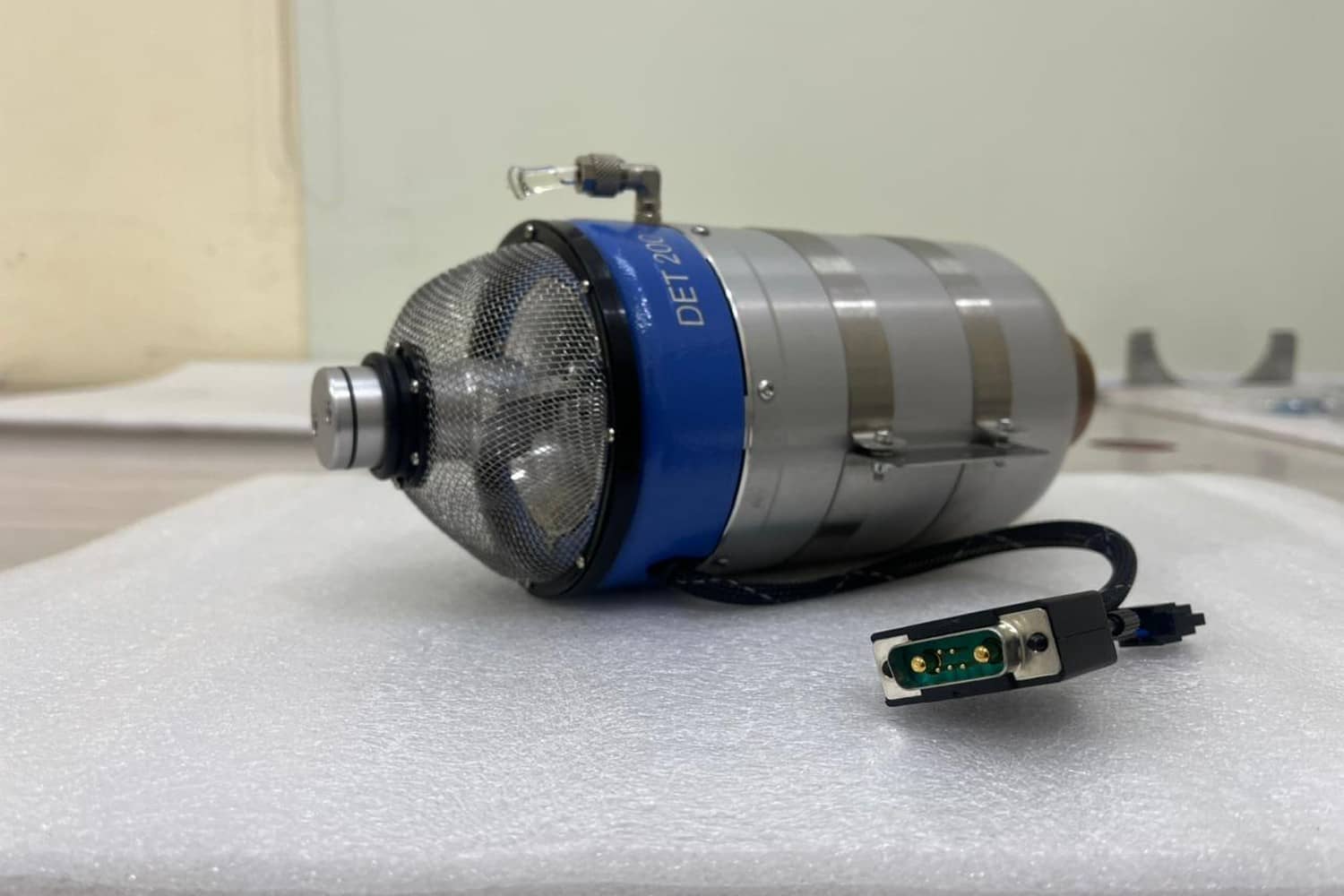
Electric propulsion lines for small satellites and green chemical systems for higher thrust are complementary portfolios. Bellatrix markets both, which lets it talk to CubeSat customers and larger GEO-transfer ambitions without looking like a one-thruster shop.
POEM platform experiments give Indian private propulsion firms rare early flight heritage. Bellatrix's January 2025 update uses angular-rate figures from a POEM firing as performance colour. Those numbers are company-reported mission results.
Debris and collision-avoidance demand is rising as LEO congests. Better propulsion responsiveness helps operators manoeuvre. Bellatrix's blog index also discusses debris themes, tying products to a policy problem ISRO and IN-SPACe already flag.
Pushpak's 750 kg class hosting claim, if delivered operationally with NSIL, would place Bellatrix in the rideshare logistics layer beside launch vehicles. That is a different revenue model from selling a thruster as a component.
Until customer satellite names are published with consent, outsiders should treat mission success posts as company statements. They are still stronger primary sources than anonymous funding roundups.
Green propellant claims matter because hydrazine handling is costly and toxic. Bellatrix argues its packages reduce that burden while meeting performance needs. Independent on-orbit telemetry beyond the company's updates is not reproduced here.
Public enquiries route to info@bellatrix.aero. Product pages for Arka, Jal, Rudra and Fingernail thruster lines are linked from the main site for buyers who need subsystem detail.