
Indian urban infrastructure startups have until December 15, 2026, to apply for the reopened AMRUT 2.0 India Pitch-Pilot-Scale Startup Challenge. The Ministry of Housing and Urban Affairs and MyGov are inviting proposals for problems cities face, from finding leaks in water pipes to cutting electricity use at municipal pumping stations. Selected startups can receive up to ₹20 lakh to develop or improve a solution and pilot it in a city.
The official Innovate India listing says this submission window reopened on November 10. The programme covers 12 themes. Drinking water and wastewater remain central, but the expanded scope also includes air quality, municipal energy efficiency, smart street lighting and urban heat resilience. Founders who overlooked the earlier water-focused edition should check whether the expanded problem list now fits their work.
Who can apply, and what should they pitch?
The applicant must be a startup recognised by the Department for Promotion of Industry and Internal Trade (DPIIT). It must also offer a solution within one of the challenge themes or address a problem listed on the portal. Working in a related industry is not enough on its own. A founder preparing to incorporate or obtain recognition should not assume an individual submission will qualify.
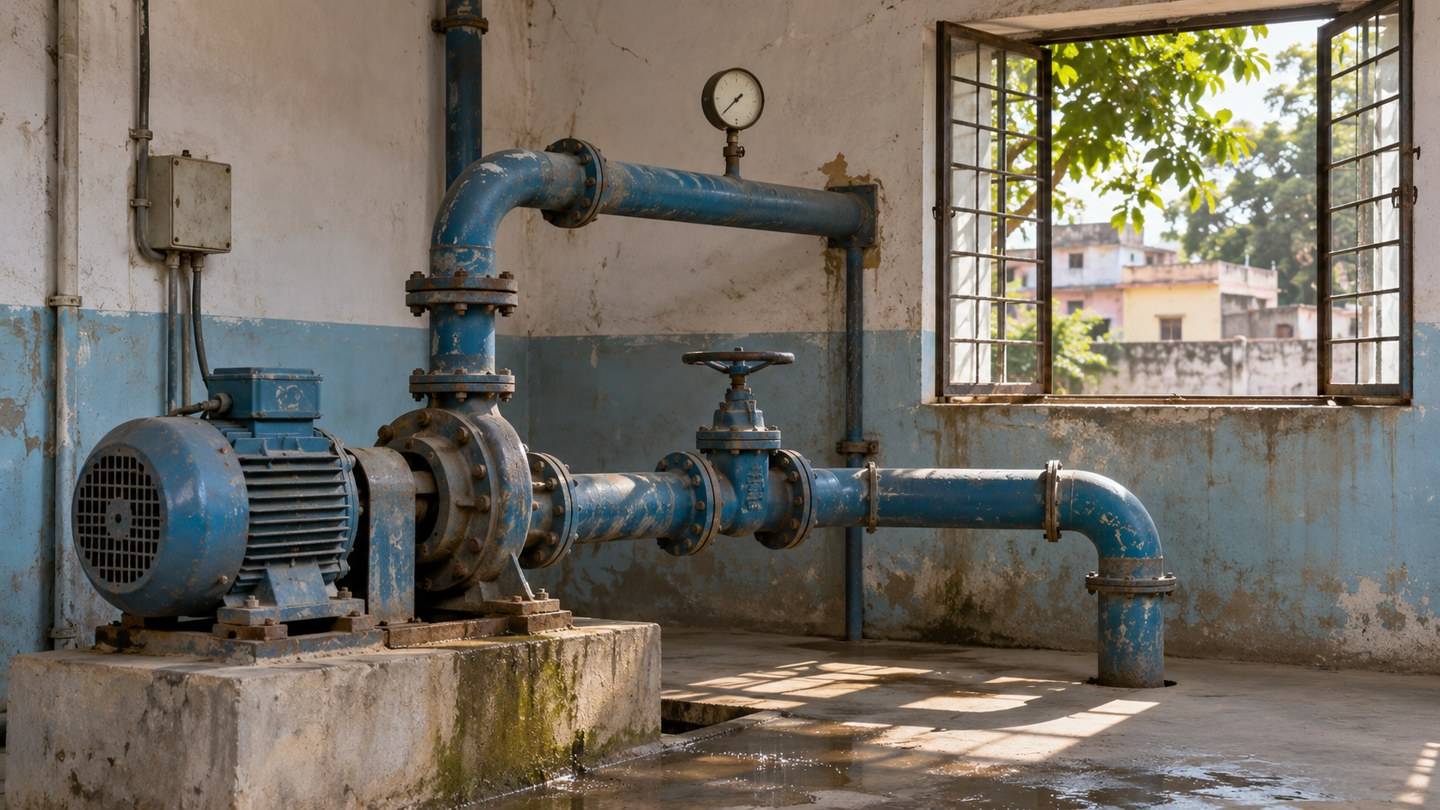
The ministry asked states to identify problems their urban local bodies face. The list lets teams start with a municipal need rather than fit a product into a broad theme. For example, NR-01 asks for affordable ways to find underground leaks, EE-01 concerns monitoring how efficiently municipal pumps and motors operate, and SL-03 asks how to detect streetlight faults before residents report them.
The distinction between a technology pilot and municipal construction matters. Dalimss News has covered Varanasi’s AMRUT water and sewerage approvals and the Saket Nagar sewer works review. Those are separate public works. Neither establishes that Varanasi has offered a pilot site, tender or contract to applicants under this challenge.
How to apply through MyGov
Open the challenge on Innovate India and review the eligibility criteria and problem statements. The Hindi listing also shows the current dates. The public Participate Now button leads to MyGov sign-in. The portal tells applicants to register with a valid email address and says it will send an acknowledgement and participation details to that address. No application was submitted in checking the public entry route.
Once signed in, use the participation route to upload the proposal. Where it addresses a listed problem, the official note asks applicants to include its ID so reviewers can identify it. The current listing gives the closing date but no cutoff hour, so do not assume that submissions will remain open until midnight on December 15.
For a leak detection proposal, for instance, explain what equipment a water utility would install, how its staff would confirm that an alert points to a leak, and how costs would change across a larger network. Those are practical suggestions, not extra application requirements. The published review starts with a screening committee, followed by an expert committee. Criteria include public impact, usability, ease of deployment, scalability and implementation risk.
How the ₹20 lakh pilot grant works
₹20 lakh is the most a selected startup can receive. MyGov lists three tranches of ₹5 lakh, ₹7 lakh and ₹8 lakh, tied to conditions or milestones in the proposal. The money is for developing or improving the solution and piloting it in a city of the startup’s choice. A fund utilisation certificate is required for each completed milestone, so a pilot budget should show what each stage delivers and how spending will be documented.
The ministry says selected startups will be offered mentorship and that it will help facilitate wider deployment with industry and local bodies. Winners retain the solution they develop, subject to challenge conditions. The listing does not promise a municipal purchase or expansion after the pilot. Before naming a city, founders should identify which body would approve site access or data sharing, and distinguish a proposed arrangement from one already agreed.