TDB backs Agnikul Cosmos with Rs 200 crore for reusable rocket
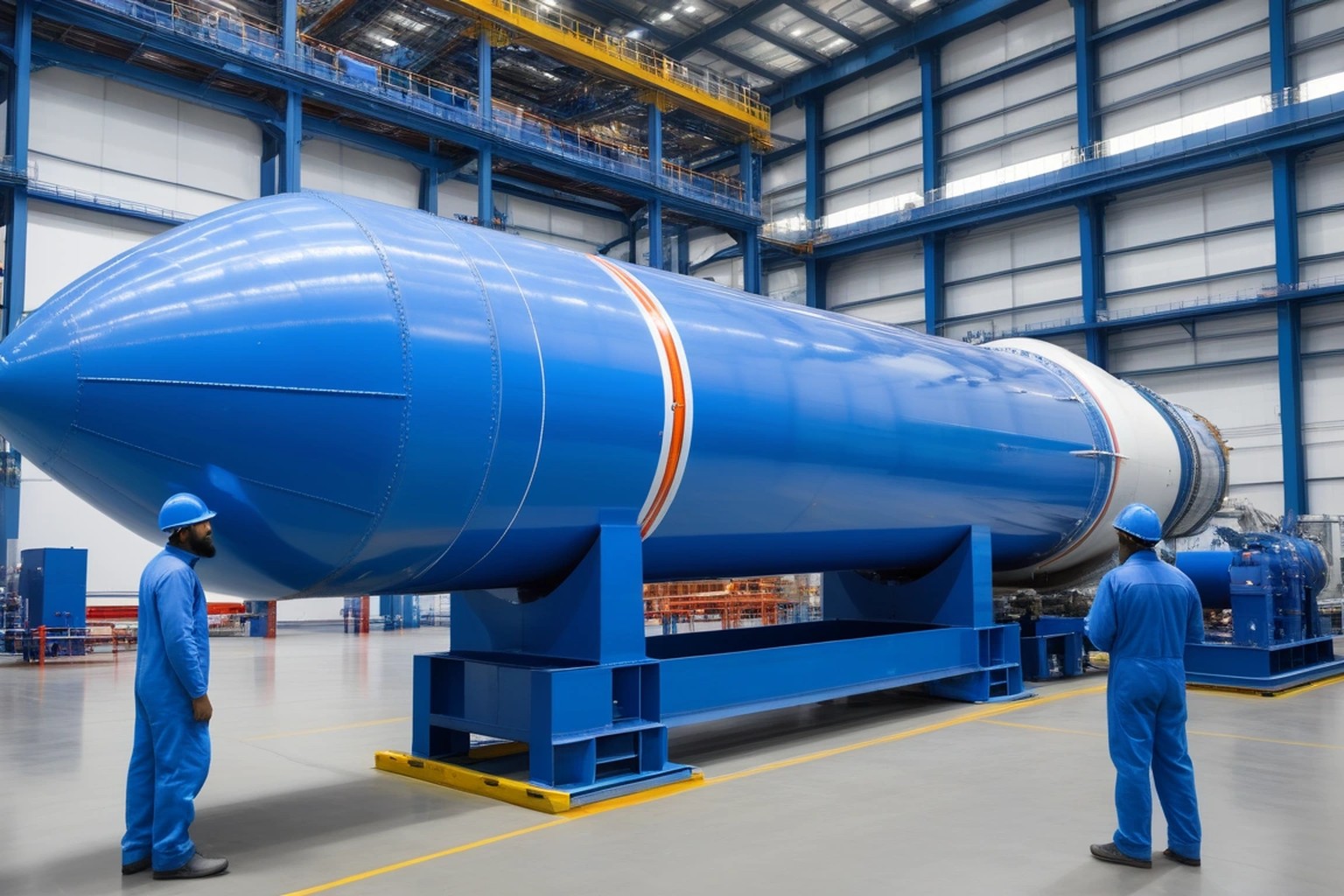
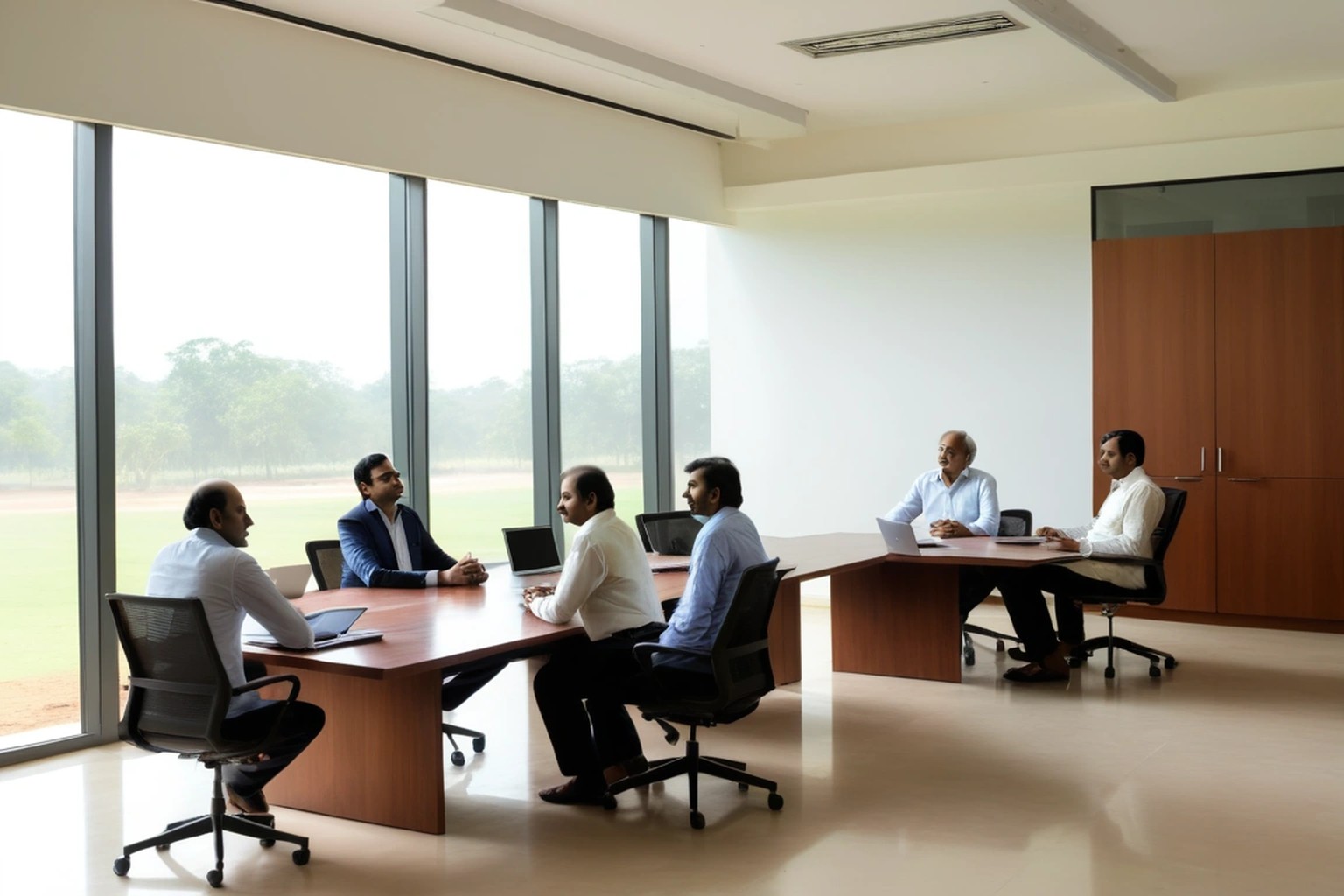
CHENNAI / NEW DELHI: The Technology Development Board under the Department of Science and Technology has signed an agreement to provide Chennai-based Agnikul Cosmos with Rs 200 crore under the Research Development and Innovation Fund. The money will arrive as Optionally Convertible Debentures and is meant to advance a reusable version of the company's Agnibaan launch vehicle.
TDB Secretary Rajesh Kumar Pathak said India's next space phase needs vehicles that can fly more often, with more flexibility and lower cost. Reusability, he noted, is a key technology frontier, and the RDI Fund is meant for ambitious indigenous projects that need sustained capital to move from advanced prototypes toward deployment.
The RDI Scheme, launched in November 2025 with a Rs 1 lakh crore envelope, backs high-risk, high-impact research and innovation. TDB acts as a second-level fund manager under that framework. Agnikul's cheque is one of the larger publicly flagged deep-tech tickets from that pool so far in the space vertical.
What the money is supposed to buy
Agnikul is building toward a launch vehicle designed around reusability, aiming for higher flight cadence, lower manufacturing and launch costs, and less orbital debris from discarded stages. Company work already includes 3D-printed engines and semi-cryogenic propulsion concepts demonstrated on earlier test flights from Sriharikota.
Public notes around the pact describe the funding as support to push the reusable Agnibaan effort further along the technology readiness ladder, toward stages closer to operational use. Exact flight dates, payload classes and recovery methods were not spelled out in the TDB announcement summary reviewed for this report.
Optionally Convertible Debentures give the government vehicle a debt-like instrument that can convert to equity under agreed terms. That structure is common when public funds underwrite deep-tech programmes that still carry engineering risk. Moratorium and repayment contours typically flex until commercialisation begins, though the detailed term sheet was not released with the headline figure.
Why it matters for India's private space push
Private launch startups in India are racing to turn one-off test flights into repeatable commercial services. Reusable stages are the usual path to lower cost per kilogram once the hardware survives recovery and refurbishment cycles. Agnikul's pact signals that TDB is willing to put sizeable RDI capital behind that bet.
Other Indian launch hopefuls are also chasing cadence and cost. None of that rivalry changes the core fact of this agreement: Rs 200 crore of structured public support is now tied to Agnikul's reusable roadmap, with Pathak framing reusability as a national technology priority rather than a marketing slogan.
Commercial satellite customers should still wait for demonstrated reuse flights before pricing assumptions change. Debenture funding accelerates engineering; it does not, by itself, guarantee a flight calendar. Agnikul and TDB have not published a joint milestone scorecard with public due dates in the materials reviewed. For now, the news is capital and intent, not a booked launch window.
Reporting basis: Technology Development Board agreement with Agnikul Cosmos for Rs 200 crore under the RDI Fund through Optionally Convertible Debentures, announced around 25-26 September 2026; remarks by TDB Secretary Rajesh Kumar Pathak on reusability and RDI support; RDI Scheme framing as a Rs 1 lakh crore high-risk innovation fund with TDB as second-level fund manager.
Sources and reporting
Technology Development Board (TDB), Department of Science and Technology, agreement with Agnikul Cosmos for Rs 200 crore under the Research Development and Innovation (RDI) Fund via Optionally Convertible Debentures; statements by TDB Secretary Rajesh Kumar Pathak; coverage dated 25-26 September 2026.
Related Stories

Dyson V16 Piston Animal cordless vacuum launches in India at Rs 79,900

Mivi One 5G marks audio brand's first smartphone in India

Sarvam Vision 2.1 lifts Indic document reading and handwriting OCR
Zoho Arattai adds end-to-end encryption for group chats

Sekyo Neo Fit kids smartwatch launches in India at Rs 9,990