
330-kW Solar Plant at Varanasi Central Jail Expected to Halve Power Bill
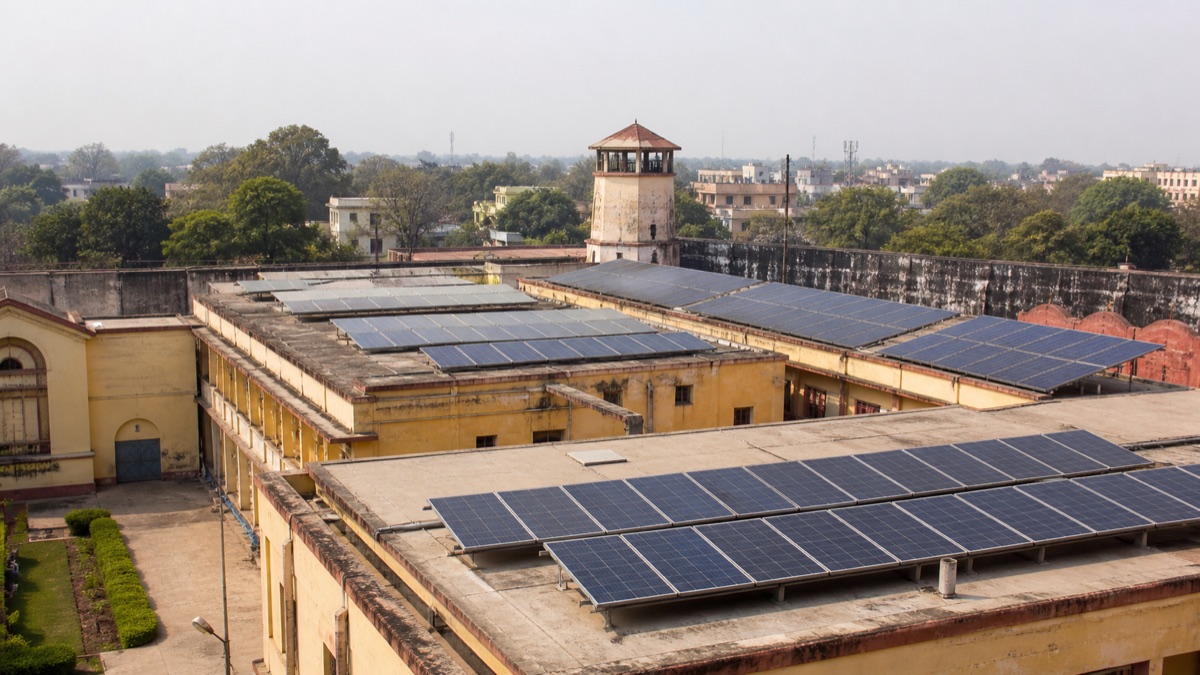
Varanasi Central Jail is installing a 330-kilowatt solar power plant in a project that prison officials expect will cut the facility’s electricity bill by close to half. The system is projected to generate around 1,400 units a day once it becomes operational, giving the large correctional complex a substantial source of power during daylight hours.
Jail superintendent Radha Krishna Mishra has estimated annual savings of approximately ₹14.6 lakh. The financial case is significant, but officials are also presenting the plant as a security and continuity upgrade. Power interruptions inside a prison affect more than office productivity: lighting, surveillance, communications, kitchens, medical facilities and controlled movement all depend on a reliable supply.
The installation is intended to serve barracks, administrative offices and other important areas of the campus. Officials have not yet published a detailed commissioning schedule or the final division between solar generation, grid supply and backup systems. Those details will determine how much of the projected benefit reaches essential operations and whether the plant continues to perform during periods of low sunlight or equipment maintenance.
The project also places a public institution inside Varanasi’s wider energy transition. A prison has large, predictable daytime loads and roof or campus space that can make solar viable, but it also has stricter safety and access requirements than an ordinary office. Cabling, inverters and maintenance routes must be designed so the plant does not create new security vulnerabilities while solving an energy problem.
Solar capacity is only the first half of the story. Households and public institutions also need dependable metering, safe installation, maintenance support and clear billing. A panel can be visible from the street while its financial benefit remains difficult to verify, so generation figures and claimed savings should be read alongside actual bills over several cycles. Transparent grievance handling is especially important when a subsidy, loan or net-metering approval is involved.
Varanasi’s dense urban form makes the transition technically interesting. Roof sizes vary, old buildings may need structural checks, and shade or wiring constraints can reduce output. At the same time, high daytime demand creates a strong case for distributed generation. The best results will come from installations matched to real consumption, not from chasing a headline capacity number. Fire safety, certified equipment and trained installers should remain non-negotiable.
The useful follow-up will be public data on functioning systems, monthly generation, complaint resolution and savings achieved after maintenance costs. Residents considering rooftop solar should verify installer credentials and obtain written clarity on warranties, approvals and expected output. This report reflects the latest figures attributed to local officials; it does not treat projected performance as guaranteed, and it will require subsequent billing and generation records to confirm the longer-term impact.
Sources and reporting
Reported on 9 August 2026 from the latest statement of the Varanasi Central Jail superintendent and project figures released locally.
Related Stories
VMC Launches Doorstep E-Waste Pickup With On-the-Spot Payment
Family Alleges Youths Chased Car, Assaulted Women and Children Near V-2 Mall in Lanka

Sigra-Trained Shooter Kamaljeet Wins Asian Games Gold in Mixed Air Pistol
Sarnath Police Arrest Three Over Locked-House Burglaries, Claim ₹7 Lakh Recovery

NER Varanasi Division Runs 2,915 Chlorine Tests on Station and Colony Water