
11-Year-Old Suffers Serious Injuries in Dog Attack on BHU Campus
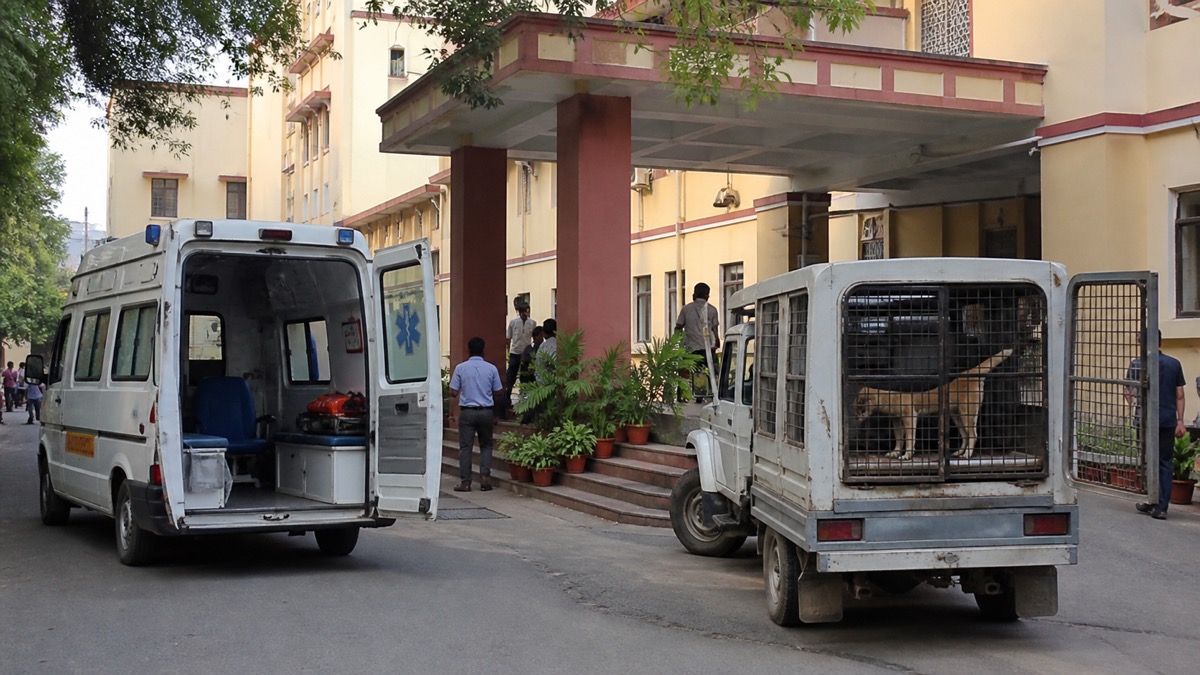
VARANASI: An 11-year-old child suffered deep injuries to the head and face after being attacked by a dog on the Banaras Hindu University campus, with local reporting saying doctors used around 50 stitches during treatment.
The priority is the child’s recovery and privacy. Photographs of the injuries should not be circulated, and medical updates should come through the family or treating hospital. Dog bites to the face require careful wound care, assessment for infection and rabies prevention according to clinical guidance.
The circumstances of the attack remain important. Campus authorities should establish where it occurred, whether one or several dogs were involved and whether earlier complaints had been received about the same location or animal.
Immediate public-health response
After any bite, the wound should be washed thoroughly with soap and running water and the person taken for medical assessment without delay. Home remedies should not replace vaccination and, where indicated, immunoglobulin. A doctor decides the treatment schedule based on exposure and prior vaccination.
The animal-control team should identify and observe the dog through a humane, trained process rather than allow a crowd to chase or injure animals in the area. Observation and veterinary assessment can support the public-health inquiry.
Managing dogs on a large campus
BHU is an open, densely used campus with hostels, hospitals, schools, food outlets and residential quarters. Waste near canteens can sustain dog populations and create territorial clusters. Sterilisation and vaccination programmes work best when combined with closed waste bins and a mapped complaint system.
Removing dogs indiscriminately is neither a durable nor necessarily lawful solution; new animals can occupy the same food-rich area. The campus needs trained responders who can isolate an aggressive or injured animal quickly and keep children away until the risk is assessed.
Authorities should mark the incident site, review lighting and inform nearby schools or hostels without causing panic. Parents can teach children not to run from or tease dogs and to stand still if approached, but responsibility cannot be shifted onto an injured child.
BHU should release a factual account of the response, the vaccination status of campus dogs where known and steps being taken at the location. A serious attack calls for more than a one-day capture drive. It requires veterinary care, waste control, incident mapping and a reliable number that residents can call before warning signs become another emergency.
Families who feed community dogs can cooperate by using fixed points away from school gates and ensuring leftovers are removed. Responsible feeding, sterilisation and vaccination should be coordinated rather than treated as opposing approaches. The shared objective is a campus where children and animals are not placed in preventable conflict.
Sources and reporting
Based on a Dainik Bhaskar report published August 13, 2026. Injury details are attributed to the child's treatment account; BHU's full incident and animal-management response was not yet public.
Related Stories
HC Flags Gurugram Water Crisis, Sets Oct 1 Hearing

Haryana Notifies Tolls on Three GF Road Sections
HSVP Clears Eatery and Warehouses in Sector 18

Rain-Soaked Ramnagar Stages Ram’s Birth on Ramlila Day Two

DTCP Notices 80 Homes in BPTP Astaire Garden