Woman Found Dead in Varanasi Home; Family Alleges Husband and Relatives Responsible
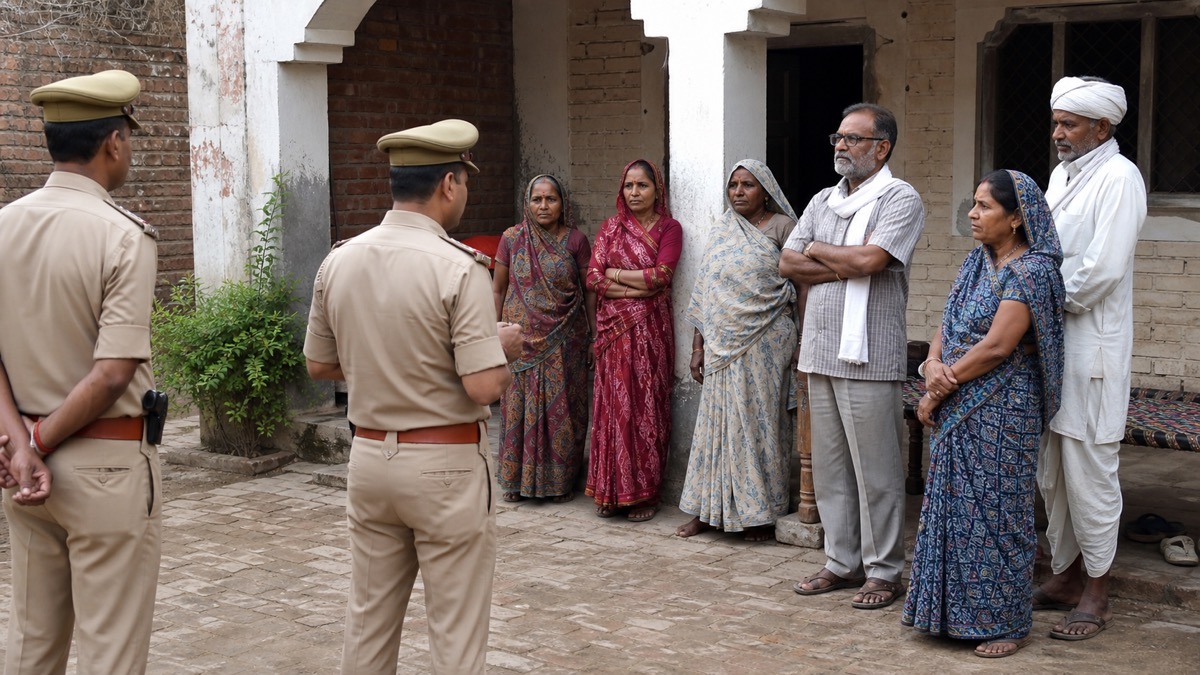
VARANASI: Police are investigating the death of a married woman in suspicious circumstances after her parental family accused her husband and three relatives of killing her.
The allegation is serious, but it is not a judicial finding. Investigators must preserve the scene, obtain a post-mortem and record the statements of both sides before deciding which offences, if any, are supported by evidence. The people accused by the family are entitled to respond and to the presumption of innocence.
Early reports referred to the woman being found in a sari, but such detail should not be used to infer the mechanism or intent before the medical examination. Scene photographs, ligature analysis where relevant, toxicology and the doctor’s findings will be more reliable than speculation.
The first investigative duties
Police should secure phones, messages and household CCTV only through lawful procedures and document every seizure. Statements from neighbours may help establish recent quarrels or movement, but rumours should not be entered into the record as facts.
The woman’s family may provide information about earlier complaints, demands or threats. Investigators should verify whether any call to police, women’s helpline or mediation body was made and how it was handled. The absence of a prior complaint does not disprove abuse; nor does an allegation by itself establish the cause of death.
Protecting dignity
The deceased should not be reduced to a graphic image or a marital label. News reports and social-media users should avoid publishing private photographs, unverified messages or identifying details of children. The family needs accurate procedural information, not pressure to perform grief in public.
If relatives fear intimidation, police can record that concern and arrange protection appropriate to the evidence. At the same time, officers should prevent retaliatory confrontation at the home or mortuary.
The post-mortem report will be an important part of the case, but it may not answer motive or responsibility on its own. A complete investigation will combine medical findings with timelines, communications and witness accounts.
Authorities should provide a factual update when the cause of death is established and when the case moves to a charge sheet or closure report. Until then, careful attribution is essential: a woman has died, her family has alleged homicide, four people have been accused, and police must now determine what the evidence actually shows.
Anyone facing immediate domestic violence can contact police emergency services or a recognised women’s helpline and should seek a safe location when possible. Friends and neighbours should preserve evidence and support access to professional help rather than attempting a confrontation that may increase danger.
Sources and reporting
Based on a Dainik Bhaskar report published August 13, 2026. The family's allegation against four people has not been adjudicated; the cause of death awaits medical and police findings.
Related Stories

Kashi Marks Baba Lat Bhairav’s Wedding Day After Tilak and Haldi Rituals

Over 800 Doctors Converge as API UP Chapter Conference Opens in Rohania
Chitaipur Arrests Two After Homeguard Anuradha Tiwari’s Alleged Suicide
Lanka Registers Assault Case After Narottampur Youth Dies During Treatment
Storm Uproots Electric Pole in Cholapur’s Jagdishpur; Local Supply Cut