
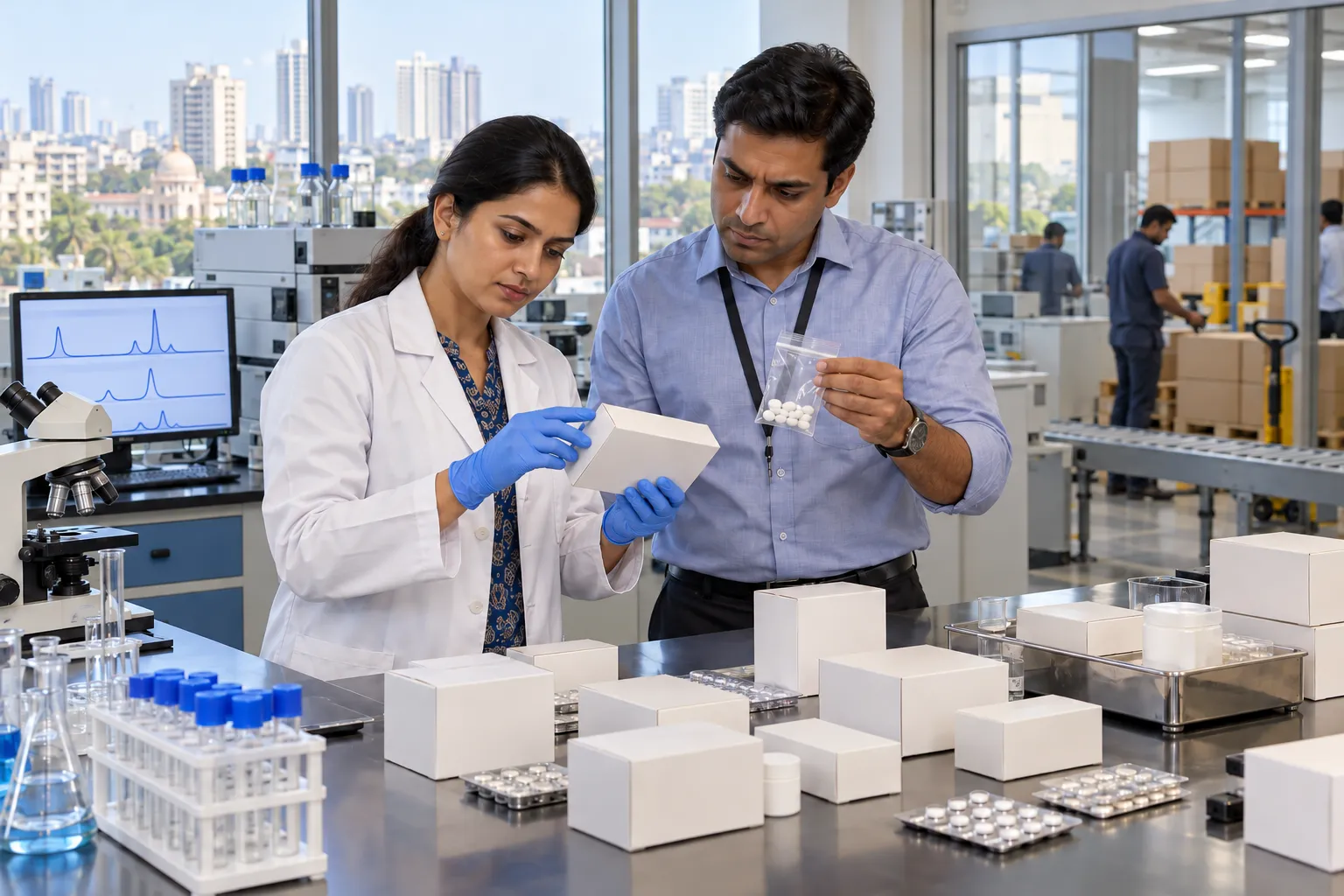
The World Health Organization and INTERPOL have signed a cooperation agreement covering falsified medical products, organ trafficking and health emergencies. Their 16 October announcement brings public-health expertise and international police cooperation into a common framework.
For India, an existing connection to that police network runs through the National Central Bureau in New Delhi. INTERPOL's India profile records membership since 15 October 1949. National bureaux exchange information with one another and the organisation's General Secretariat through the secure I-24/7 communications network. They work with domestic law-enforcement agencies on cross-border investigations and contribute crime information to global databases under their national laws. This is the established cooperation channel, rather than a new Indian office announced this month.
The agreement extends to unusual biological events and suspected misuse of chemical or radioactive materials. It also covers health-security coordination at mass gatherings, illicit goods including unsafe food and alcohol, and support for the WHO tobacco-control convention.
From quality failures to criminal supply chains
A distinction in WHO's 3 December 2024 fact sheet helps explain the different tasks involved. A substandard product fails quality specifications, potentially because of manufacturing or quality-control problems. A falsified product deliberately misrepresents what it is, what it contains or where it comes from. These descriptions distinguish a quality failure from deliberate deception. WHO says the problem reaches across national borders and different categories of medical products, including vaccines, antibiotics and cancer treatments.
The same fact sheet identifies long supply chains with multiple intermediaries as openings for tampering or substitution. Weak regulatory oversight, limited access to affordable medicines and sales through unauthorised online outlets or informal markets add to the difficulty. Its proposed response includes finding defective products already in circulation and acting proportionately to protect patients without creating unnecessary shortages. That makes the problem wider than seizing a consignment: regulators also have to understand how it entered the supply chain.
INTERPOL already describes an operational role alongside regulators. Its pharmaceutical-crime programme gathers and circulates intelligence, coordinates investigations across countries and supports task forces bringing police together with customs, regulatory agencies and private-sector participants. The organisation says illicit medical goods can pass through countries as production sites, transit points or final markets. Its work also covers products that have been diverted, improperly stored or kept beyond their expiry date, not only goods made to imitate legitimate medicines.
One earlier example is Operation Pangea XVII, conducted from December 2024 to May 2025. INTERPOL records participation by 90 countries and the seizure of 50 million doses of illicit pharmaceuticals valued at US$65 million. It also reports 1,728 investigations and the closure of about 13,000 websites, social-media pages, channels and bots associated with illegal sales. Those are results of an earlier operation. They are not seizures or investigations generated by the agreement announced on 16 October.
How cross-border reports are handled
On the health side, WHO's Global Surveillance and Monitoring System has operated since July 2013. Trained contacts in national medicine regulators submit reports on suspect or confirmed substandard and falsified products. WHO's description says incoming reports are compared with existing records, allowing matches to be shared with the reporting country. That can connect national focal points dealing with similar incidents and allow them to exchange information or laboratory results. It is an existing reporting system, not a database launched with the new agreement.
The system also provides a route to technical help. WHO says assistance can include arranging specialist laboratory analysis and, in complex emergencies, sending experts into the field. Its analysts work with national contacts to validate information and identify vulnerable products, weaknesses in supply chains and gaps in regulatory capacity. A report does not automatically become a public warning: WHO assesses whether the incident poses a serious public-health threat and could have a wider geographical impact before considering a medical-product alert.
The new announcement gives no budget, implementation timetable or India-specific operation. The published outcome is a cooperation framework; country-level measures will need their own evidence.
Related Dalimss News coverage examines the EU's anti-trafficking strategy and the EU response to the UN pandemic declaration.