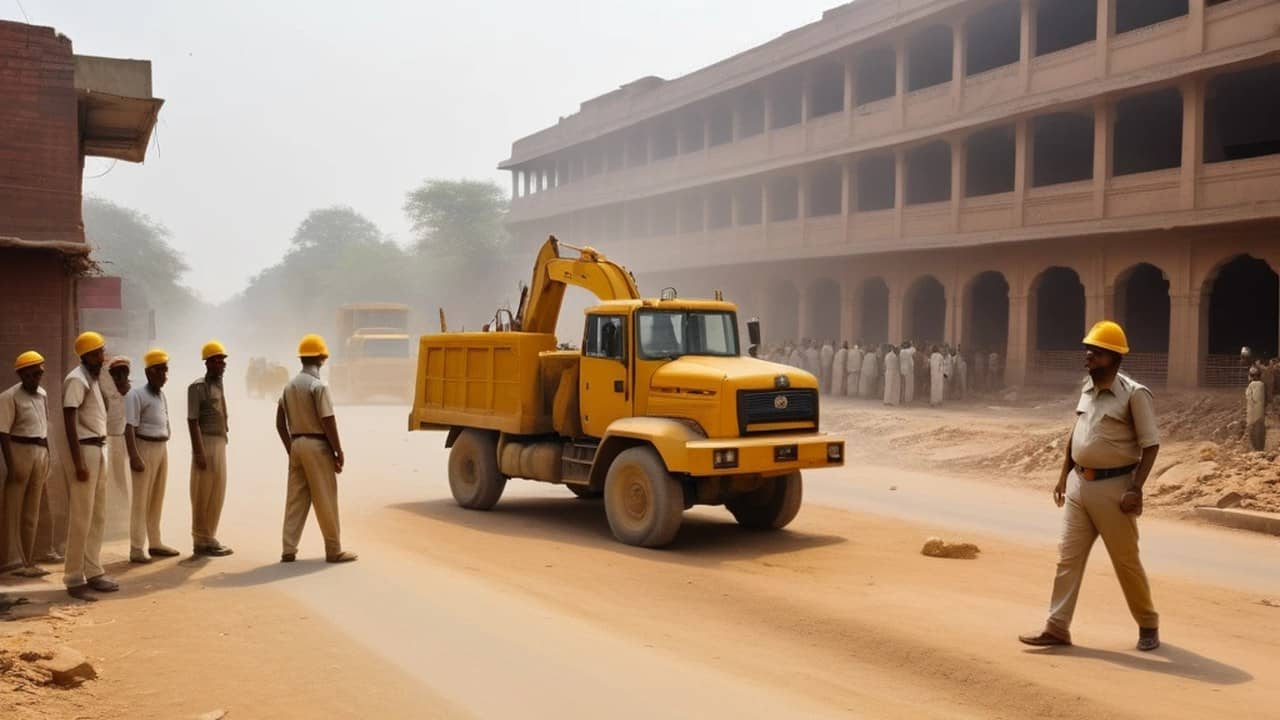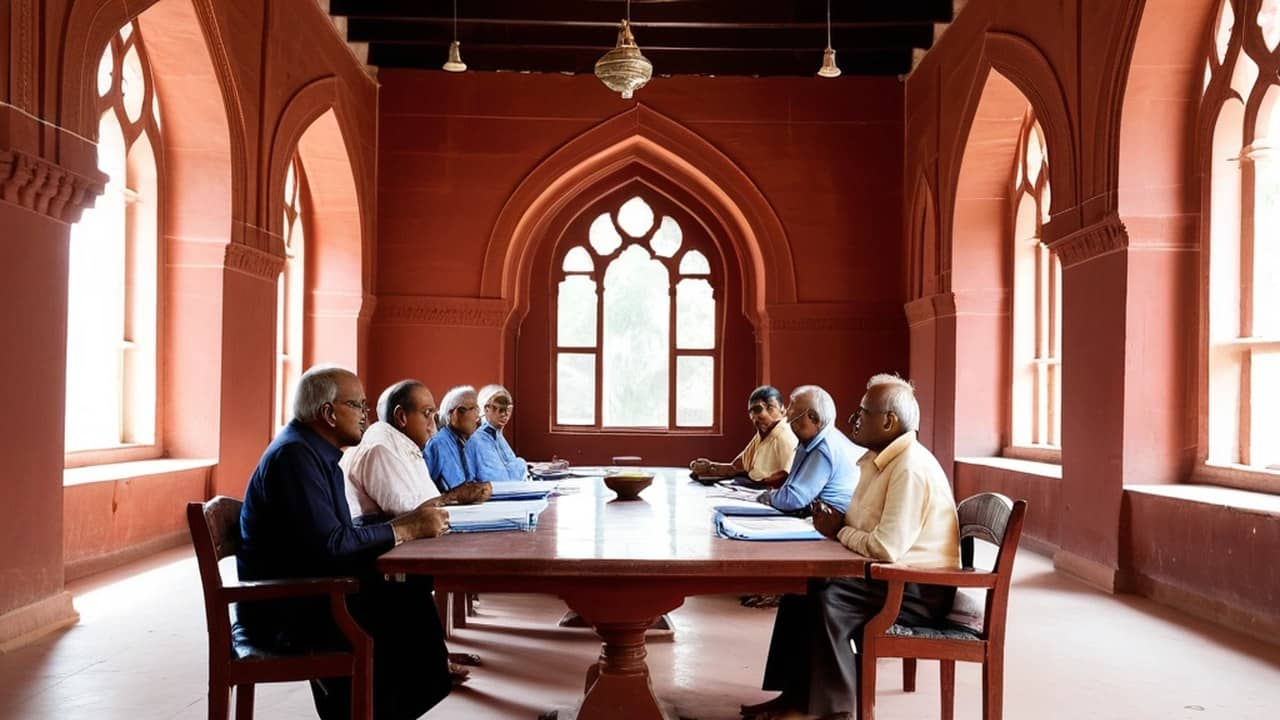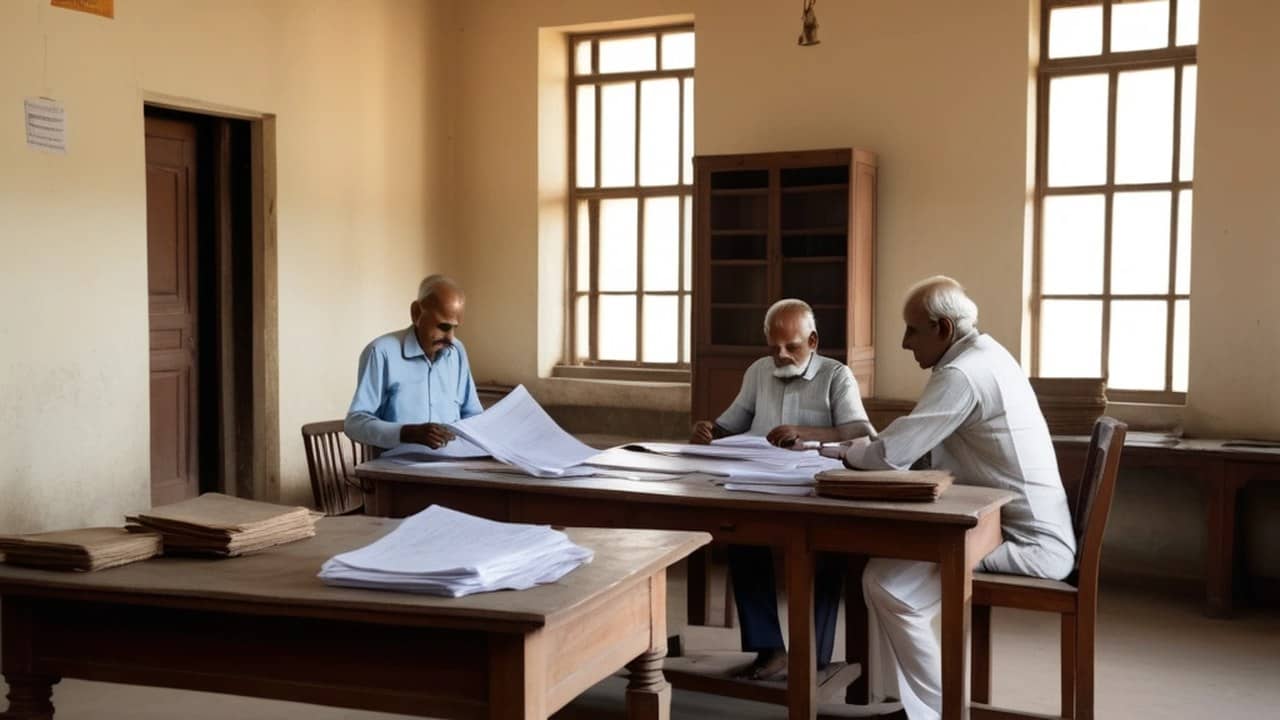
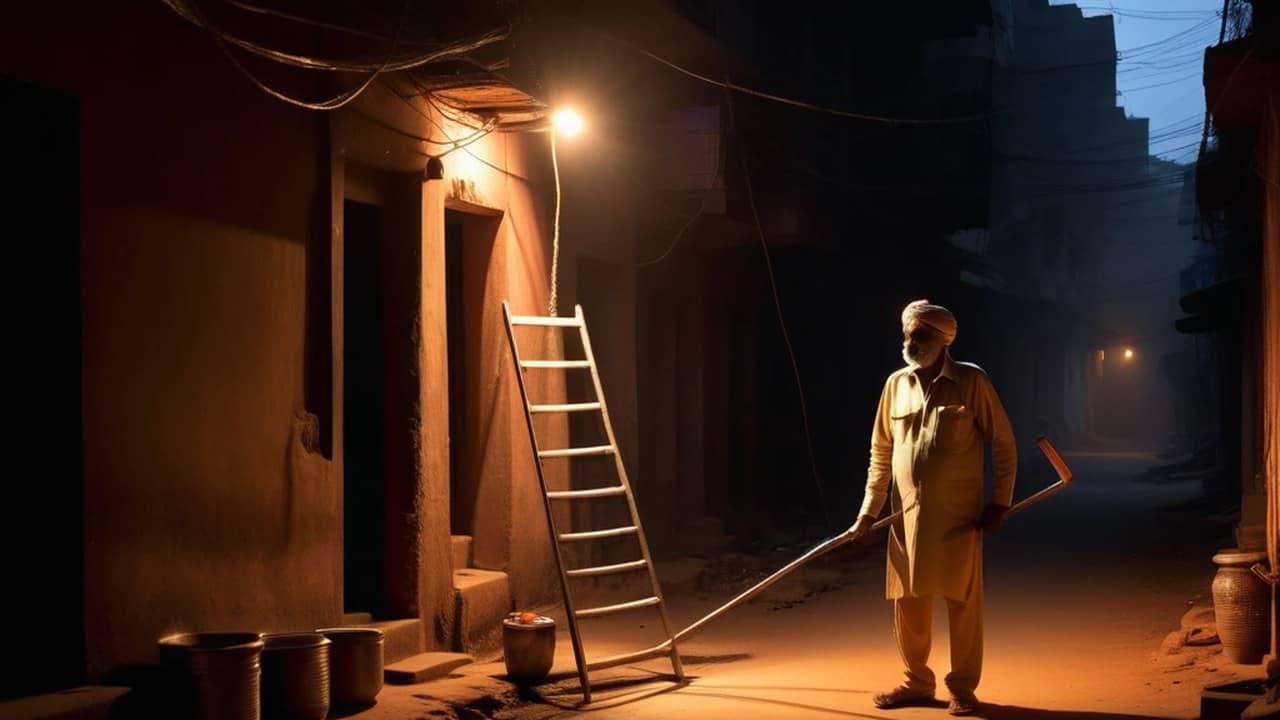
Officers of the Varanasi Municipal Corporation (VMC) start going ward by ward from Wednesday to check whether street lights work and whether night cleaning is actually being done, in a drive that will cover all 100 wards of the city and run until 19 October.
Municipal Commissioner Himanshu Nagpal has drawn up the plan. He has named nodal officers for the wards on a date-wise roster and fixed the accountability of the staff of the corporation's lighting wing, known in the VMC as the Alok department. Spread over 13 days, the drive works out to roughly eight wards a day, though the plan as described does not say how the roster is split.
On the lighting side, the checks cover four points. Street lights that are not working are to be repaired. Inspecting officers will count the yellow lights still in use, see whether the weekly repair team in each area is actually turning up, and check whether lights switch on and off at the right time. A weekly repair team is meant to work through faults on a regular round, so its absence usually shows up as a run of dead poles that nobody comes to fix.
Each of those points answers a complaint residents raise often. Yellow lights are usually the older sodium vapour fittings, which many Indian cities have been replacing with white LED lamps that use less power. The plan as described does not say what will happen to the ones counted. Timing matters too: lights that stay on well after sunrise waste electricity, and lights that come on late leave lanes dark in the busiest hour of the evening.
The corporation has also marked dark spots in the wards, stretches where there is little or no street lighting, and street lights will be installed at those places. The plan does not list the locations or say how many dark spots were found in each ward.
The second half of the drive is about the night shift of the sanitation staff. Officers will check whether night-duty sanitation workers, called safai mitras, are present on the spot during their shift, and how well the roads and lanes have been cleaned.
Night sweeping is usually done on main roads and in markets, where daytime traffic and shoppers make proper cleaning hard. When a night crew does not turn up, the result is plain to see by morning, in rubbish left on the road for the first shoppers and office-goers to step around.
The reporting chain has been fixed in advance. Officers will send a daily inspection report to IT expert Vidya Prakash Dubey. A consolidated report will be prepared from these and placed before the Municipal Commissioner and the officer in charge of the lighting department.
The dates matter as well. The checks run through the opening days of Sharadiya Navratri, which begins on Sunday, 11 October, and end the day before Vijayadashami on Tuesday, 20 October.
That is the stretch of the year when the city stays out late, with Ramlila audiences walking home after dark and families going from pandal to pandal. The VMC has already put departments on alert for Navratri and Durga Puja arrangements, and the city is getting ready for more than 500 pandals, as Dalimss reported in its look at how Varanasi is readying 512 Durga Puja pandals while roads and kunds lag.
The plan as reported makes no mention of the festivals, and the inspections are a check of routine services. Still, a working street light at a pandal lane or a clean road outside a Ramlila ground counts for more in these two weeks than at most other times.
The plan as announced does not set out a separate way for residents to report a dead street light during the drive, and no new complaint number has been given. What it does do is put a named officer in charge of every ward on a fixed date before 19 October, with a daily report going up the line. For residents whose lane has been dark for weeks, the real test is whether that paperwork ends with a ladder, an electrician and a lamp that comes on at dusk.