
Varanasi Volunteers Donate Platelets for Children Under Cancer Treatment
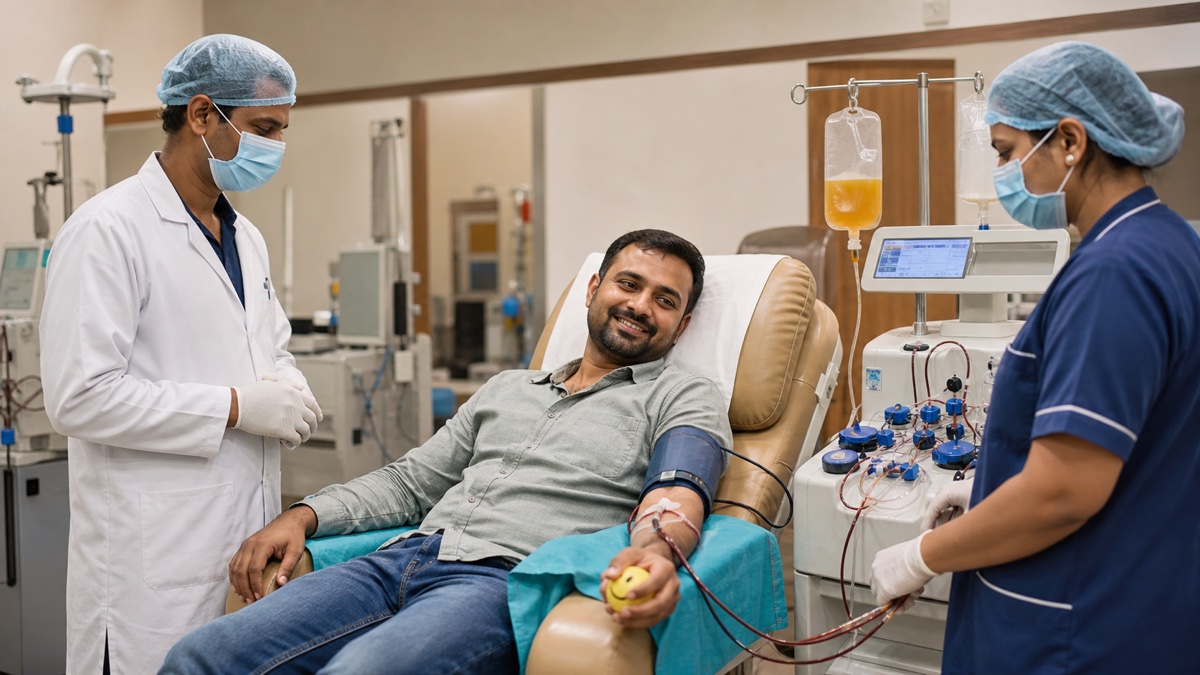
A group of Varanasi volunteers marked Independence Day with platelet donations for children receiving cancer treatment at a hospital in Lahartara. The drive brought together Rotary Club Blood and Organ Donors Varanasi, Kashi Raktadan Netradan Kutumb Samiti and BNI Innovative Varanasi, turning a public holiday into a practical act of support for families facing long treatment schedules.
The local report credited Rajesh Kumar Gupta, Neeraj Parikh, Ashish Kesari, Qadir, Abhimanyu Verma, Rahul Chaurasia and Animesh Pal with active roles in the initiative. The hospital, rather than organisers or donors, decides which patient receives a particular blood component after medical screening, compatibility checks and clinical assessment. That distinction is important because platelet donation is a regulated medical procedure, not an informal transfer between individuals.
Platelets help blood clot, and their counts can fall during chemotherapy or because of the illness being treated. Some patients require transfusion support at short notice, while platelets also have a shorter shelf life than many people assume. Hospitals therefore depend on a steady pool of eligible donors rather than a rush of volunteers only after an emergency appeal becomes viral.
Unlike a standard whole-blood donation, platelet donation is commonly done through apheresis. Blood passes through a machine that separates the needed component and returns the remaining components to the donor. The process takes longer, and donors must meet medical criteria set by the collection centre. Anyone interested should contact an authorised blood bank, disclose medicines and health conditions honestly and follow the staff’s instructions on food, hydration and rest.
The Varanasi effort also shows why coordinated donor networks matter. A well-run group can maintain verified contact details, discourage payment or coercion, and send only suitable volunteers when a hospital signals a need. It can also protect families from the exhausting task of searching social media while caring for a sick child. The best systems respect privacy: a child’s diagnosis, photograph and phone number should not be circulated more widely than necessary.
For the participating organisations, the next step is continuity. Independence Day provided the occasion, but cancer care has no festival calendar. Regular donor orientation, a clear link with licensed blood banks and accurate records can make the initiative useful throughout the year. Potential donors should never arrive expecting a guaranteed procedure; the medical team may defer someone for safety reasons.
The Lahartara drive was modest in scale but direct in impact. It placed a scarce, time-sensitive resource inside the clinical system where it can be used safely. In a city where families travel from across eastern Uttar Pradesh and Bihar for treatment, dependable platelet donors can reduce one more uncertainty during an already difficult period.
Sources and reporting
Based on an August 16 local report naming the participating organisations and volunteers. Clinical allocation of donated components remains the hospital’s responsibility.
Related Stories

Biker Dies After Thar Hit on Golf Course Road
Court Orders Probe Into Body Handling Lapses
Two Held After Rs 54,000 Robbery Near Rampura
Manduadih Fan Warehouse Fire Burns for Hours; No Deaths Reported
DTCP Notices 30+ Buildings Over PGs in SL-3