Varanasi's first inter-state bus terminal could come up on unused land at Chandpur, with the Uttar Pradesh State Road Transport Corporation (UPSRTC) sending the state government a proposal to build it on about nine acres belonging to the agricultural research centre there. The plan now needs approval from the state cabinet before any work can begin.
The land is part of the campus of the International Rice Research Institute's South Asia Regional Centre at Chandpur, which the corporation says is lying unused. Parshuram Pandey, Regional Manager of UPSRTC's Varanasi region, said on Wednesday that the proposal had been prepared and sent to the government, and that the process of transferring the land would start as soon as the cabinet gives its approval.
After the land transfer, Pandey said, a detailed project report (DPR) will be drawn up, and only that report will put a figure on what the terminal is likely to cost. No cost estimate, design or construction timeline exists yet. Until the cabinet clears the proposal, the terminal remains a plan on paper.
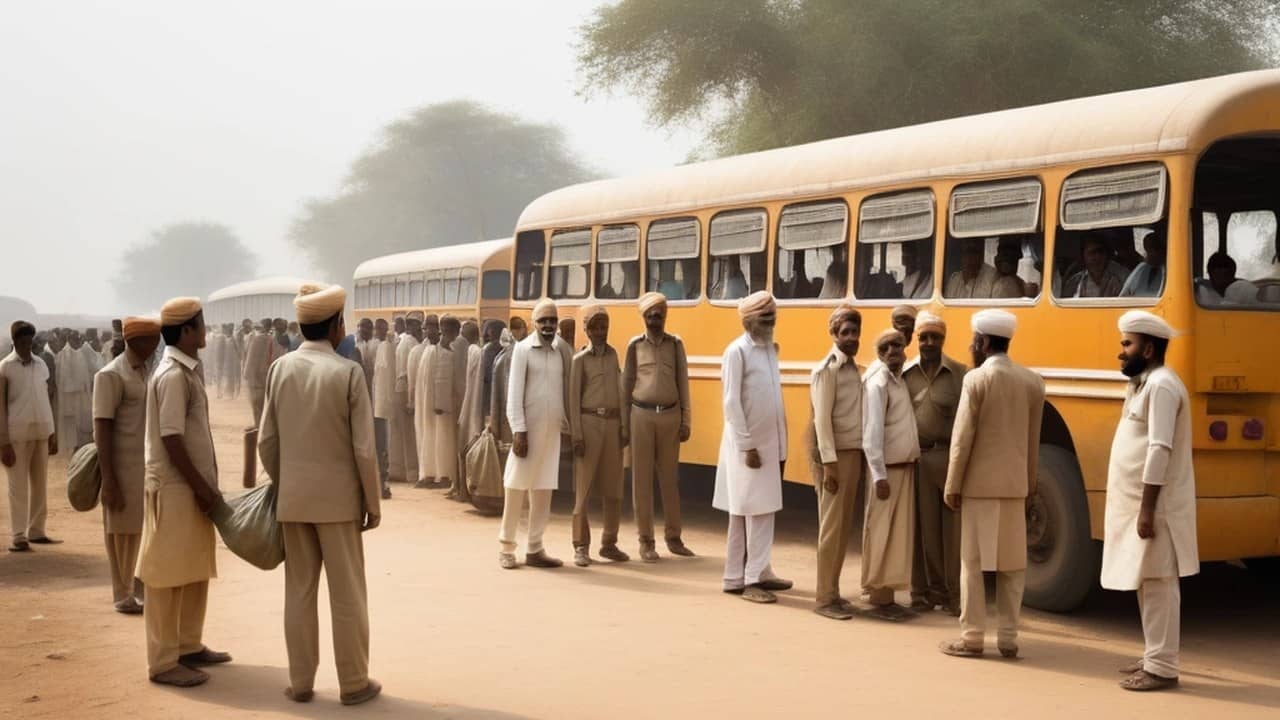
An inter-state bus terminal, or ISBT, is a dedicated hub for long-distance buses that run between states. Large cities such as Delhi and Lucknow use them to keep heavy coaches on the outskirts, with passengers changing to city transport for the last stretch of the journey. Varanasi does not have one, and long-distance buses currently share space and roads with the rest of the city's traffic.
According to the proposal as described by UPSRTC, the Chandpur site is outside the crowded core of the city and would have direct access to the national highway. Buses arriving from other states would no longer need to enter the city at all. Services to and from Bihar, Madhya Pradesh, Chhattisgarh, Delhi and other states could be run from the new terminal.
For anyone who has sat in a long-distance bus crawling through the city to reach the Cantt bus station, that is the most practical part of the idea. Heavy coaches squeezing through narrow junctions add to jams that the city already struggles with, especially on days when traffic is held up for official visits, as it was during Wednesday's traffic diversions for the VVIP visit. Moving inter-state services to the edge of the city would take some of that load off central roads.
The terminal is planned with passenger facilities in one campus. The proposal includes a waiting hall, ticket counters, parking and a food plaza, along with other amenities for travellers. A charging station for electric buses has also been included, in view of the growing number of e-buses being put on the road.
That last point ties in with other changes in the city's bus network. In late August, land at Birapatti was earmarked for a new e-bus depot as Varanasi waits for a fleet of 250 electric vehicles. A charging point at a large inter-state hub would let electric coaches be parked and charged where long-distance passengers board.
Road projects elsewhere in the city are also changing how traffic moves. The work to widen the Kachahri to Sandaha road, where ten old buildings were razed between Golghar and Police Lines recently, is one example of the pressure on the city's main corridors that planners are trying to ease.
There are several steps between the proposal and a working terminal. The cabinet has to approve it, the research centre's land has to be formally transferred to the transport corporation, the DPR has to be prepared and its cost accepted, and funds have to be arranged before construction can start. UPSRTC has not given dates for any of them.
Pandey's statement did not cover what would happen to bus services from the existing Cantt station once an ISBT is running, or how passengers would travel from Chandpur into the city. These are the kind of questions a project report usually answers.
For now, the key fact for commuters is simple. A site has been identified and the transport corporation has asked the government to hand it over, but whether Varanasi gets its first inter-state bus terminal at Chandpur depends on a cabinet decision that has not yet been taken.