Varanasi Deworming Drive Targets 18.5 Lakh Children and Young People
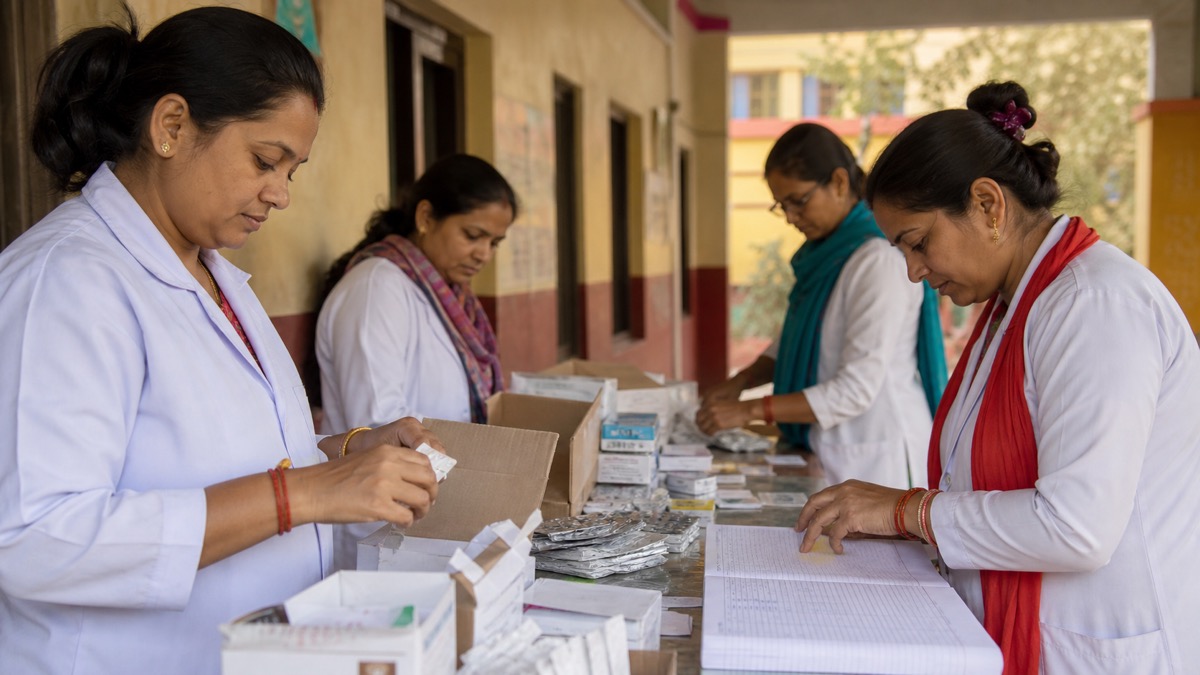
VARANASI: Health and education teams are preparing to administer deworming medicine to around 18.5 lakh children and young people across Varanasi district, using schools, colleges, anganwadi centres and community outreach to reach the target group.
The campaign aims to reduce intestinal worm infections that can contribute to anaemia, abdominal discomfort, poor nutrition and difficulty concentrating. Large coverage numbers are useful for planning, but programme quality depends on correct dosing, trained supervision and follow-up for those absent on the main day.
Parents should receive clear information on the medicine, eligible ages and common mild effects. Children who are acutely unwell or have a relevant medical concern should be assessed according to health-department guidance rather than being given a tablet automatically.
Safe administration at scale
Teachers and anganwadi workers need an attendance and dose record so the same child is not counted twice. Medicine should be stored as instructed and administered in the presence of trained staff, not sent home loosely without explanation.
A basic response kit and contact with the nearest health facility should be available. Most recipients tolerate deworming medicine well, but staff must know how to respond if a child feels unwell and how to communicate calmly with parents.
Reaching children outside school
The largest risk in a school-based drive is missing those who are absent, have dropped out or attend unregistered institutions. Community workers should map these groups and announce a mop-up date. Migrant families and young people with disabilities may need a more accessible delivery point.
Private schools and colleges should report through the same verified system so district totals reflect actual doses rather than medicine dispatched. Supervisors can spot-check records and remaining stock.
Deworming is not a substitute for sanitation
Reinfection remains possible where toilets, handwashing and safe drinking water are inadequate. The campaign should be paired with practical hygiene messages and referral of persistent symptoms. School water and toilet facilities deserve attention alongside the tablet count.
Health officials should publish the final number treated, the number reached during mop-up and any adverse events reviewed, without disclosing children’s identities. That will show where coverage gaps remain.
An 18.5-lakh target makes this one of the district’s broadest preventive-health exercises. Success will be measured by accurate, safe coverage and inclusion of the children easiest to miss—not by a press release claiming every tablet distributed as a child protected.
Parents should contact the named local health worker if a child misses both days or experiences a concerning reaction. Clear, calm communication will protect trust in the campaign and help medical teams distinguish expected mild symptoms from cases needing assessment.
Sources and reporting
Based on an Amar Ujala report published August 12, 2026 within the requested 24-hour research window. Coverage targets are official programme figures; actual administration should be reported after completion.
Related Stories

Kashi Marks Baba Lat Bhairav’s Wedding Day After Tilak and Haldi Rituals

Over 800 Doctors Converge as API UP Chapter Conference Opens in Rohania

Chitaipur Arrests Two After Homeguard Anuradha Tiwari’s Alleged Suicide
Lanka Registers Assault Case After Narottampur Youth Dies During Treatment
Storm Uproots Electric Pole in Cholapur’s Jagdishpur; Local Supply Cut