Varanasi Man Alleges Dating-App Lure Led to Abduction, Assault and ₹20,000 Extortion
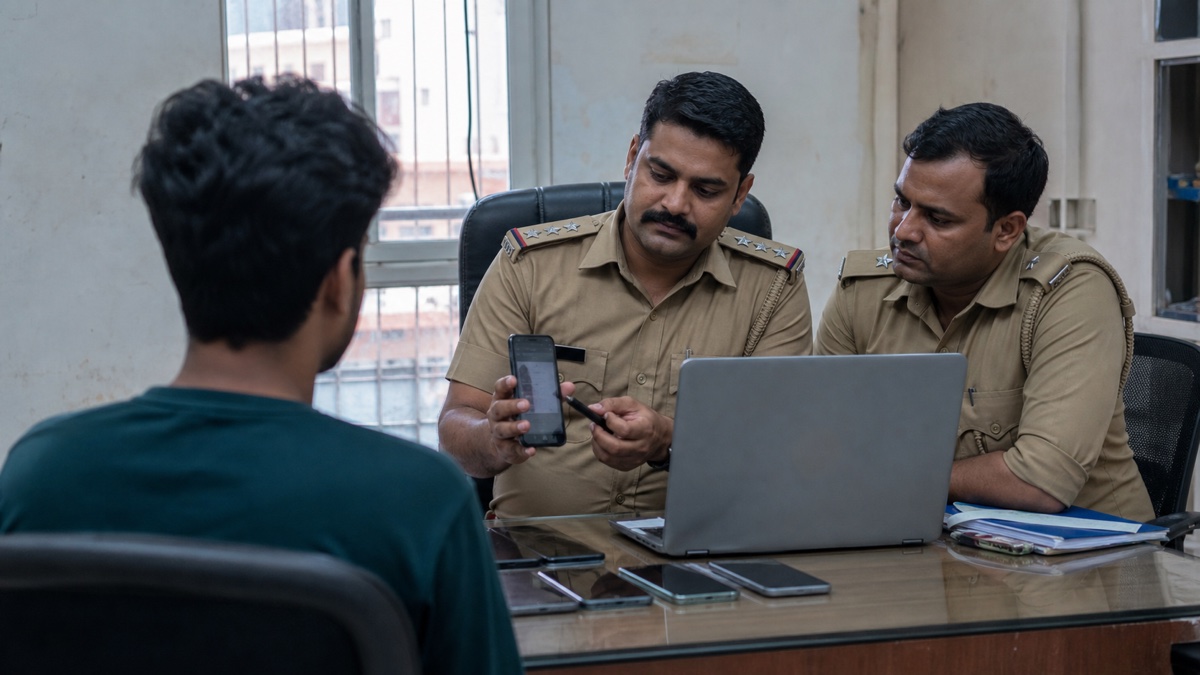
Kapsethi police have registered a case after a man from Bhadohi alleged that people he met through a dating app lured him to Varanasi, confined and beat him, and forced his family to transfer ₹20,000. The alleged incident began with a profile using the name “Hey” on Grindr and ended near Kalika Dham after the man’s phone was formatted, according to his complaint.
Prem Kumar Maurya, a resident of Madhorampur in Bhadohi’s Chauri area, told police that the account invited him to meet on August 10. He reached Chauri market, where people allegedly took him by motorcycle to Isarwar village under Kapsethi police station. He said he was then brought to an isolated room near a cremation ground and prevented from leaving.
Maurya alleged that three or four more men arrived, assaulted him and demanded money. They took control of his phone and contacted relatives, he said, causing a total of ₹20,000 to be transferred in several online transactions. The group allegedly reset or formatted the device before releasing him near Kalika Dham and warning him not to report the episode.
Police registered the case late on Saturday and began searching for those involved. The complaint is not proof of guilt, and no person should be identified through rumour or profile screenshots without police verification. Investigators will need banking records, call data, location information, device logs and any cameras along the travel route. Even after a phone reset, transaction records held by banks and payment services may preserve a useful trail.
The case highlights a form of extortion that exploits both digital trust and fear of stigma. People using dating apps—including LGBTQ+ users—may hesitate to seek help because they worry about being outed, blamed or humiliated. That reluctance is exactly what offenders can exploit. Reporting should protect the complainant’s privacy and avoid treating his use of an app as consent to violence or financial coercion.
Users can reduce risk by meeting first in a busy public place, telling a trusted person where they are going, arranging their own transport and avoiding isolated last-minute venue changes. A reverse-image check and a brief video call may expose some fake profiles, though neither guarantees safety. If a meeting becomes threatening, personal safety comes before recovering a phone or arguing about money.
Kapsethi police must now test the allegation and follow the payment trail without prejudice. The broader message is straightforward: consensual use of a dating platform is not a licence for blackmail. Victims should preserve whatever records remain and report promptly; investigators should treat them with dignity so fear does not become an offender’s strongest protection.
Sources and reporting
Based on the complainant’s written statement and the case registered by Kapsethi police. The account remains an allegation; suspects had not been publicly identified or arrested at publication.
Related Stories

Dalimss 20 Under 40 Varanasi 2026: Meet the 20 Young Achievers Making Their Mark on Banaras

Biker Dies After Thar Hit on Golf Course Road

Court Orders Probe Into Body Handling Lapses
Two Held After Rs 54,000 Robbery Near Rampura

Manduadih Fan Warehouse Fire Burns for Hours; No Deaths Reported