Varanasi Cyber Cell Probes ₹8-Crore Transactions Through Suspected Mule Account
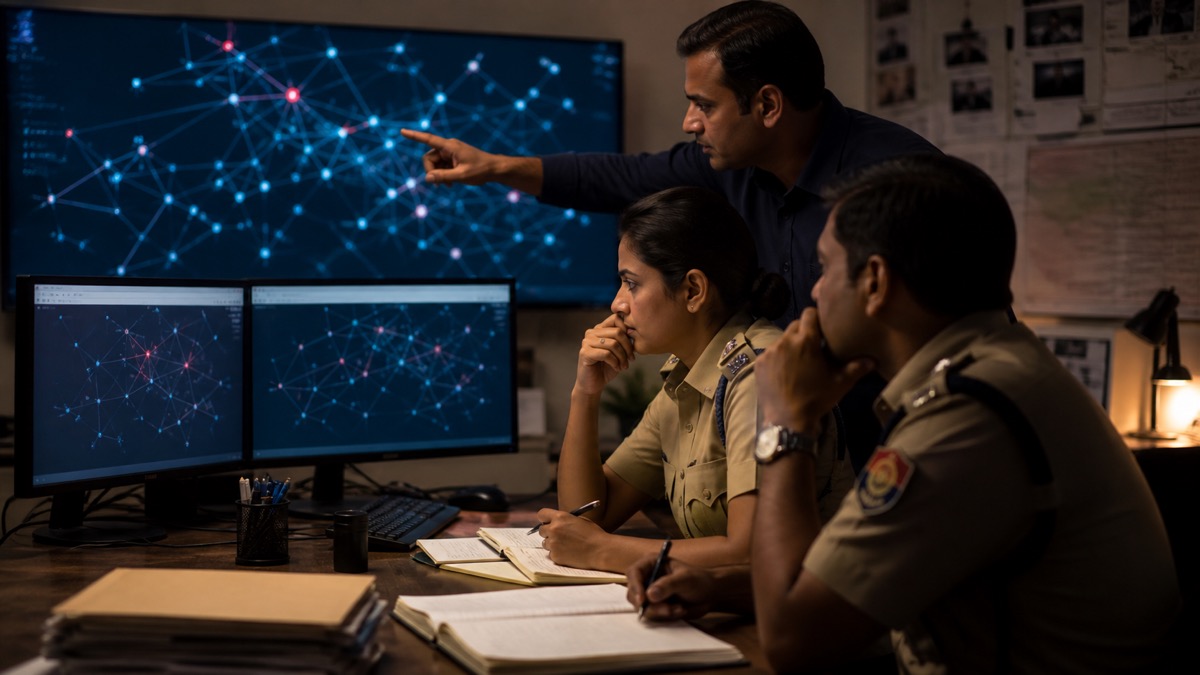
VARANASI: The Cyber Cell has registered a case after investigators identified transactions worth approximately ₹8 crore moving through a bank account suspected of being used as a “mule” in online fraud.
A mule account receives and forwards money on behalf of criminals, creating distance between a victim’s payment and the final beneficiary. Some account holders knowingly rent their credentials; others are deceived with promises of a job, commission or loan. The transaction total alone does not establish what the holder understood or who controlled the funds.
Investigators will need bank statements, device data, account-opening records and the trail into subsequent accounts. Freezing the remaining balance can prevent further loss, but refunds to victims require legal verification of each claim.
Following a layered trail
Cyber-fraud money is often split quickly across several accounts, converted into digital assets or withdrawn in cash. Time matters. Banks and police need rapid communication so suspicious transfers can be marked before the trail disperses.
The ₹8-crore figure may represent gross movement rather than profit or money still available. The same amount can be counted repeatedly if funds circulate. Authorities should clarify the period covered and avoid suggesting that the entire sum has been recovered.
The account holder’s role must be assessed carefully. Sharing an OTP, SIM, cheque book or internet-banking access can enable the crime, but investigators still have to establish intent and benefit. Where a person was recruited through deception, that evidence belongs in the case as well.
How residents can protect themselves
No legitimate employer needs unrestricted access to a personal bank account to route customer money. Offers to earn a percentage by receiving and forwarding funds are a major warning sign. People should never hand over a SIM linked to banking or allow remote access to a phone.
Anyone who has already shared credentials should contact the bank, change access details and report the matter through the national cybercrime portal or helpline immediately. Preserving chats and payment instructions helps investigators identify the recruiter.
Banks should strengthen monitoring for sudden high-volume activity inconsistent with a customer’s profile while ensuring genuine business accounts are not blocked without review. Clear escalation and a named contact can reduce hardship during an investigation.
The Varanasi case may expose a wider network if the downstream accounts and devices are traced. The FIR is only the beginning. A useful public outcome would identify the recruitment method, recover what remains and show residents exactly how an apparently easy commission can turn a personal bank account into the middle of a criminal investigation.
The supply office should publish a reconciliation after distribution resumes, showing how many Badagaon households received the delayed allocation. That final check matters because reopening a shop does not automatically reach people who made an earlier unsuccessful trip or temporarily left the village.
Sources and reporting
Based on a Dainik Bhaskar report published August 13, 2026. The ₹8-crore flow is an investigative figure; account ownership, knowledge and criminal responsibility remain to be established.
Related Stories

Kashi Marks Baba Lat Bhairav’s Wedding Day After Tilak and Haldi Rituals

Over 800 Doctors Converge as API UP Chapter Conference Opens in Rohania

Chitaipur Arrests Two After Homeguard Anuradha Tiwari’s Alleged Suicide
Lanka Registers Assault Case After Narottampur Youth Dies During Treatment

Storm Uproots Electric Pole in Cholapur’s Jagdishpur; Local Supply Cut