Varanasi Records 33% Monsoon Rainfall Deficit Through August 15, Raising Farm Concerns
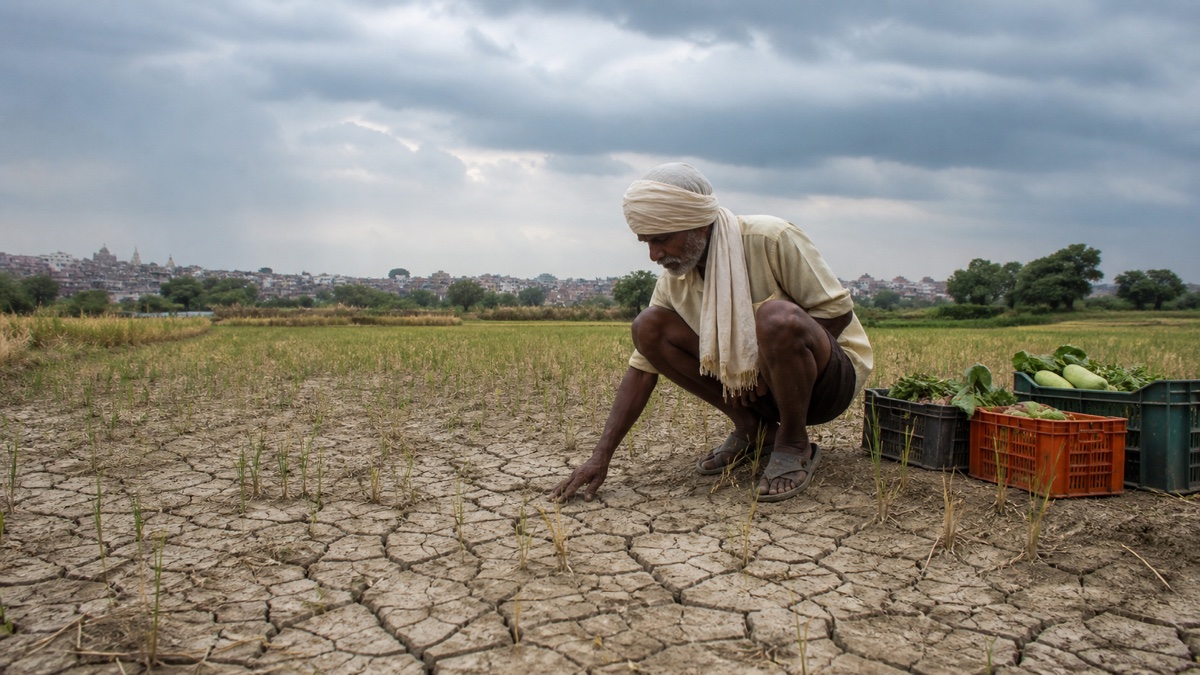
Varanasi received about 329 millimetres of rain between June 1 and August 15, nearly one-third below the 492.2 millimetres described as normal for the period in a local rainfall assessment. The reported deficit of roughly 33 per cent has sharpened concern for paddy, maize and sugarcane growers, particularly where canals or dependable electric irrigation are not available.
The weak start set the tone. Only 6.8 millimetres was recorded in June, described in the report as the district’s lowest June rainfall in about 15 years. Rain arrived in later spells and reduced the gap, but distribution remained uneven. A burst of heavy showers can raise a seasonal total without providing crops the steady soil moisture they need at critical stages.
For farmers, that difference is visible in the irrigation bill. Paddy needs repeated water during establishment and growth, while maize and sugarcane are also vulnerable when long dry intervals coincide with key stages. A grower who turns to a private tubewell pays for diesel or electricity and may also have to hire equipment. Those added costs arrive before the harvest and are hardest to absorb on small holdings.
Agricultural specialists cited in the report advised farmers to use available water carefully and, where agronomically suitable, consider crops or varieties with lower water demand. Such decisions cannot be reduced to a slogan halfway through a season: the crop already planted, soil type, access to seed, market demand and the next reliable rain window all matter. District agriculture officers can help most by issuing block-level advisories rather than a single instruction for the entire district.
Local weather commentary offered several possible reasons for the shortfall, including Pacific Ocean conditions associated with El Niño, an unfavourable position of upper-level winds, shifts in the monsoon trough and fewer Bay of Bengal low-pressure systems reaching eastern Uttar Pradesh. These mechanisms can affect rainfall, but attributing a district’s seasonal deficit to one cause requires official analysis over time. The measured rain and its timing are more immediately useful to residents than a definitive-sounding explanation.
The deficit also reaches city kitchens. If irrigation expenses rise or vegetable fields suffer heat and moisture stress, wholesale prices can respond quickly. Not every price increase is caused by rain—transport, supply from neighbouring districts and market arrivals also count—but local crop losses narrow the cushion available to consumers.
There is still time left in the monsoon, and additional rain could reduce the numerical gap. It could also create waterlogging if it falls too intensely on hard, dry ground. Administrators should therefore track both rainfall totals and farm conditions, keep canals and public tubewells functional, and publish simple weekly updates. A headline percentage describes the district; timely water access determines what that percentage means for an individual field.
Sources and reporting
Based on district rainfall figures reported for June 1 to August 15 and local agricultural and weather commentary published on August 16. Explanations for the deficit are expert assessments, not a new official seasonal forecast.
Related Stories

Police Arrest Man Posing as Sub-Inspector Near Pandeypur

Dalimss 20 Under 40 Varanasi 2026: Meet the 20 Young Achievers Making Their Mark on Banaras

Biker Dies After Thar Hit on Golf Course Road

Court Orders Probe Into Body Handling Lapses

Two Held After Rs 54,000 Robbery Near Rampura