Two short notices from the Uttar Pradesh board deal with the details that follow a student for life: the date of birth printed on the High School certificate and a permanent digital student ID. Both matter now, while schools across the state are filling in advance registration and examination forms for the next board cycle.
Madhyamik Shiksha Parishad, Uttar Pradesh (UPMSP) issued both notices on 27 August 2026 from Prayagraj, signed by Board Secretary Bhagwati Singh. One asks principals and parents to add each student's APAAR ID in the advance registration and exam forms. The other tells schools how a child's date of birth must be recorded at the time of first admission.
What APAAR is, and why the board wants it
APAAR ID is described in the notice as "One Nation, One Student ID", a 12-digit permanent digital identity that keeps a student's credits and report cards in one place across the whole academic journey, from school to higher education. Certificates such as marksheets and transfer certificates linked to it are kept digitally in DigiLocker, so there is less risk of losing or damaging them.
The board says correct details and records will also help students get scholarships, welfare schemes and educational facilities directly and without hold-ups.
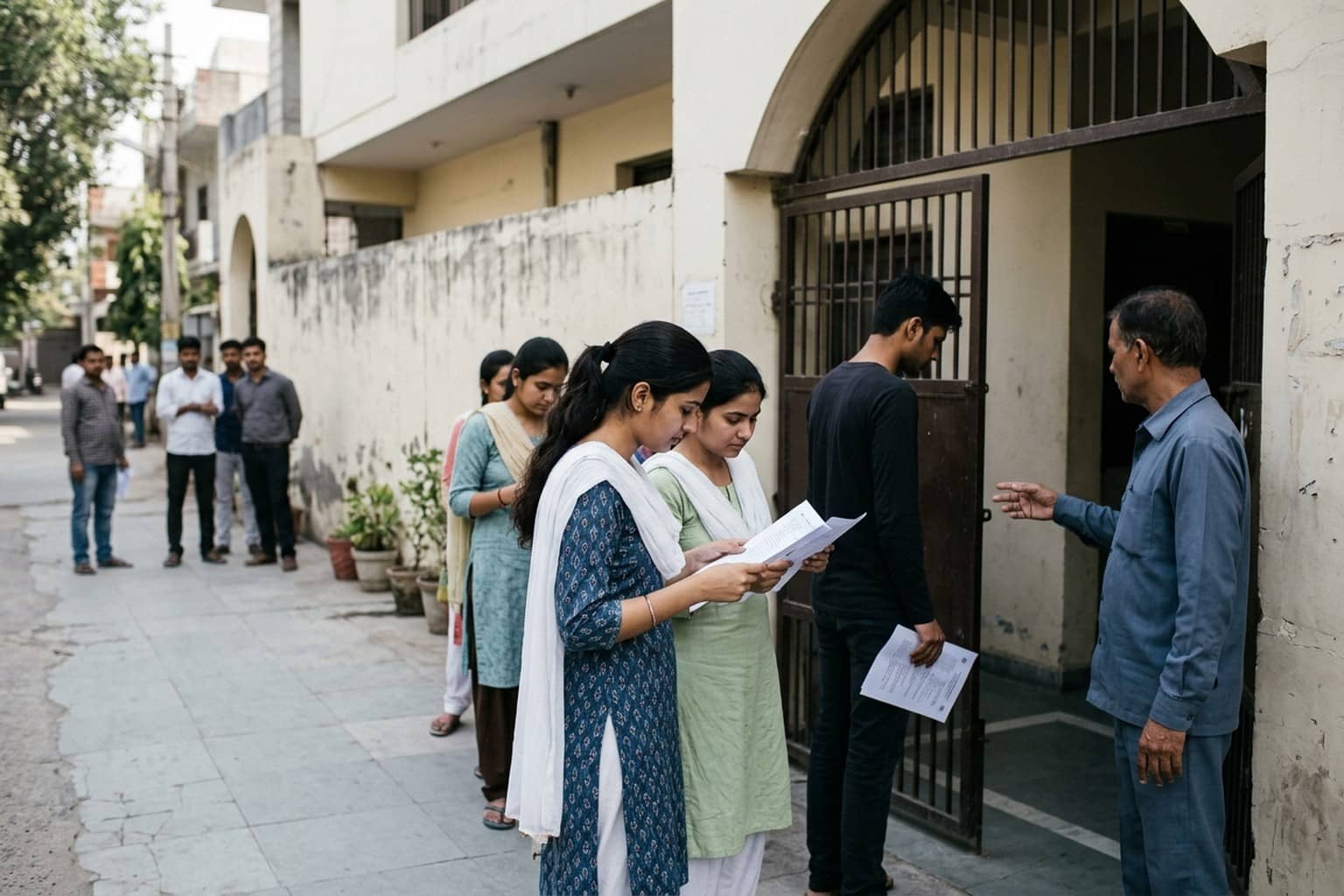
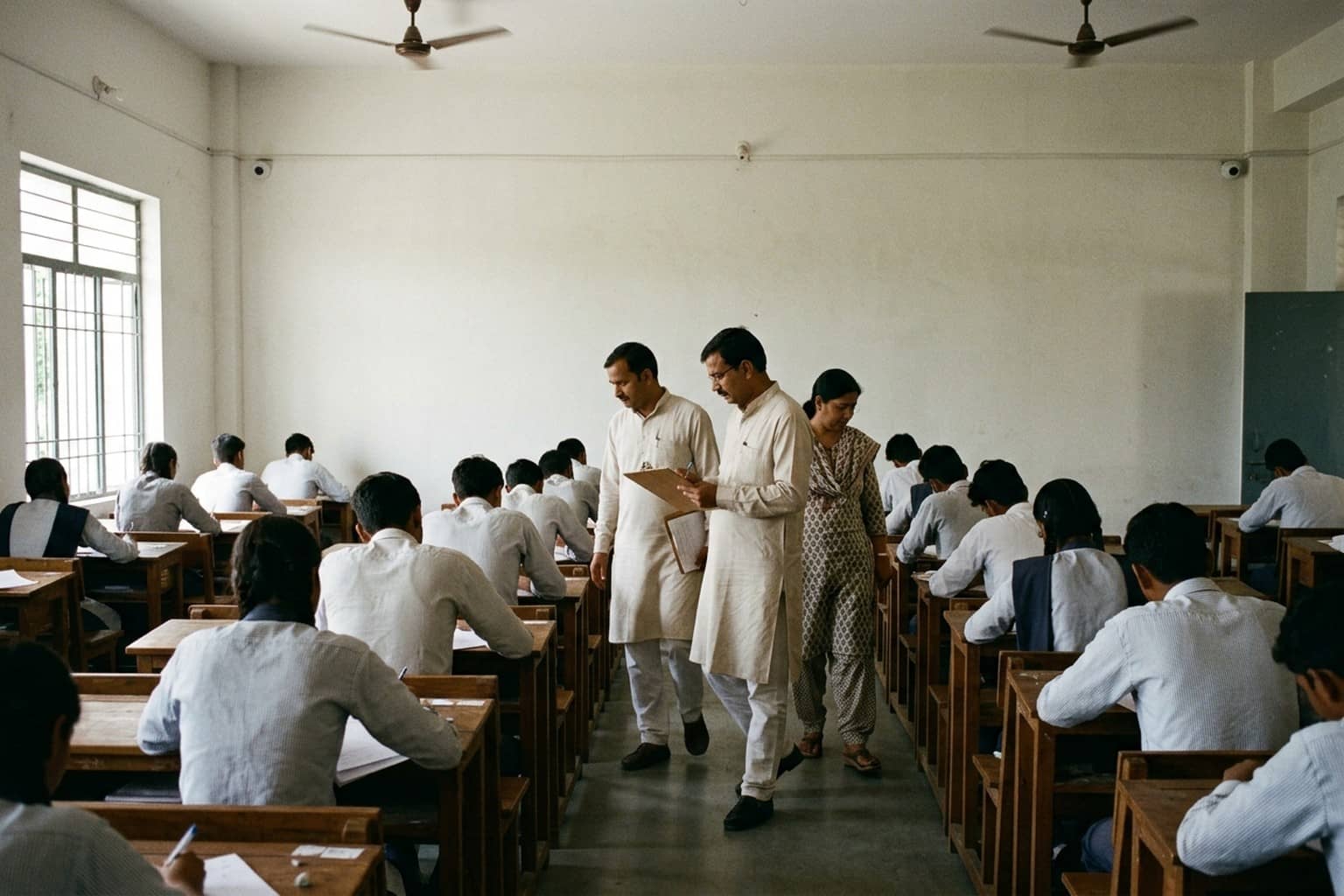
The process is under way for Class 9 and 11 students, who complete advance registration, and for Class 10 and 12 students, who fill in board examination forms.
Not compulsory, but strongly urged
The notice is careful on one point. Giving the APAAR ID while filling in registration and exam forms is not mandatory. Even so, the board has made a special request to all principals, teachers and parents that every parent get the APAAR ID made for their child and make sure it is entered in the advance registration and exam forms. School administrations are asked to guide parents and help them.
The board describes creating an APAAR ID as a simple and secure process that is completed with the consent of parents. It wants principals to try to make sure all students' APAAR IDs are entered before the last date of advance registration.
The date of birth problem
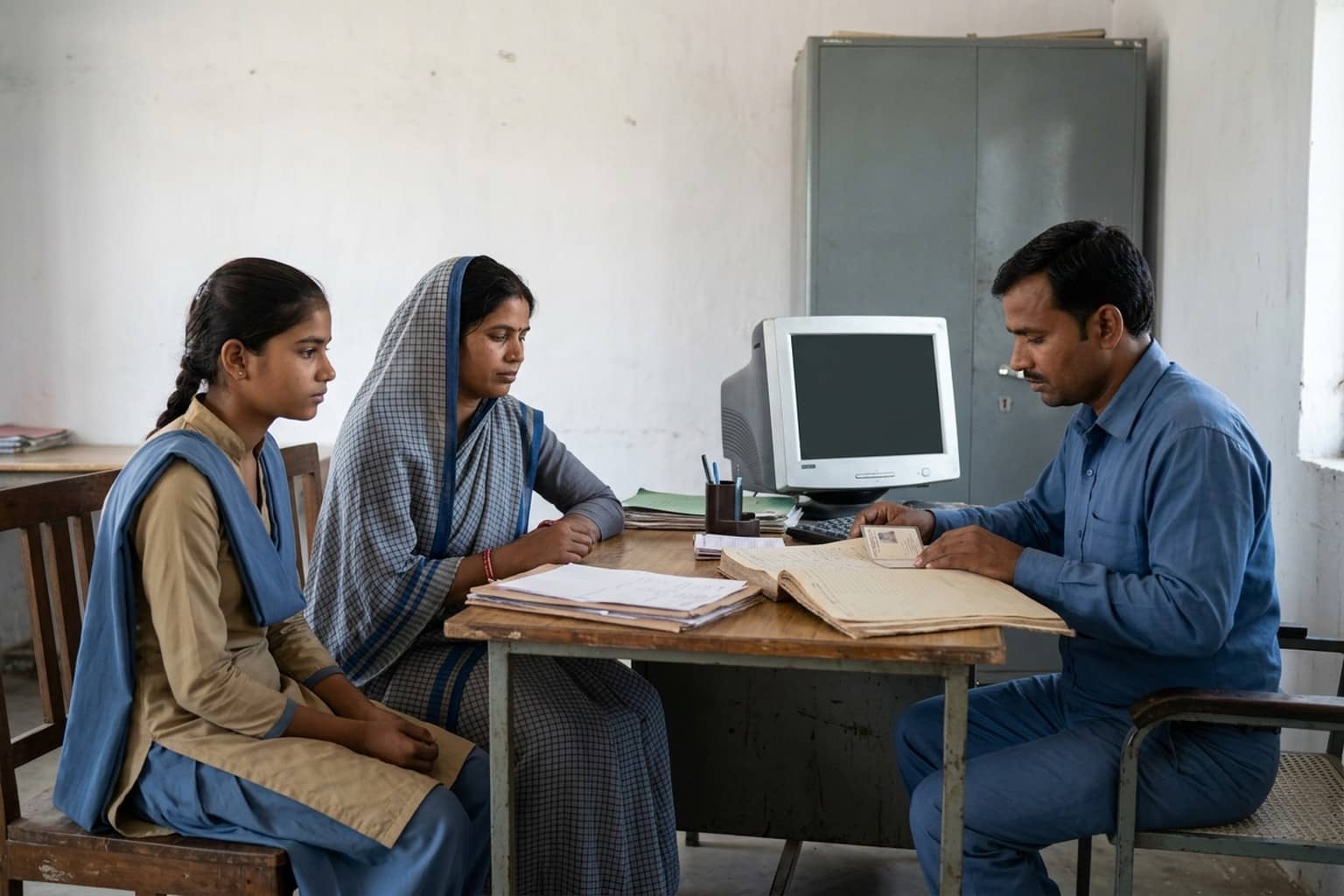
The second notice explains why the board is concerned. Requests to correct dates of birth reach the board headquarters through its regional offices, and students attach an attested transfer certificate from their primary or upper primary school as evidence. In many such cases, the board says, the child's age at admission turns out to be lower than the age set under the Right to Education Act, 2009. Principals also often do not record which document was used to enter the date of birth at admission, which casts doubt on those records.
Because the date of birth printed on the High School certificate cum marksheet is so important, the board has reminded schools of the rules.
What the rules say
The Right of Children to Free and Compulsory Education Act, 2009 fixes six years as the age for admission to Class 1. Under Section 14 of the Act and Rule 9 of the 2011 Rules, when no birth certificate issued under the Births, Deaths and Marriages Registration Act, 1886 is available, any one of these documents is to be treated as proof of the child's age for admission:
a hospital or auxiliary nurse and midwife (ANM) register record; an anganwadi record; the village register of births and deaths; or a declaration of the child's age by the parent or guardian through an affidavit.
The board's direction is that schools must record a student's date of birth only on the basis of one of these documents at the time of first admission.
What parents should do
For a child in Class 9 or 11, parents can check with the school whether the APAAR ID has been created and entered, and give consent if it has not. For younger children, especially those being admitted to Class 1, it helps to give the school a proper birth certificate or one of the listed records at the start, and to ask the school to note which document it used.
Getting it right early is far easier than correcting a date of birth later through the board. The board's helpline numbers, 1800-180-5310 and 1800-180-5312, are printed on its notices. Families can also read about the UP Board correction window for private candidates, and CBSE families can compare the process in CBSE's circular on demographic detail corrections.
The date of birth notice has been sent to the Basic Shiksha Parishad, all District Inspectors of Schools and all District Basic Education Officers, so primary schools, where most first admissions take place, are expected to follow it too.