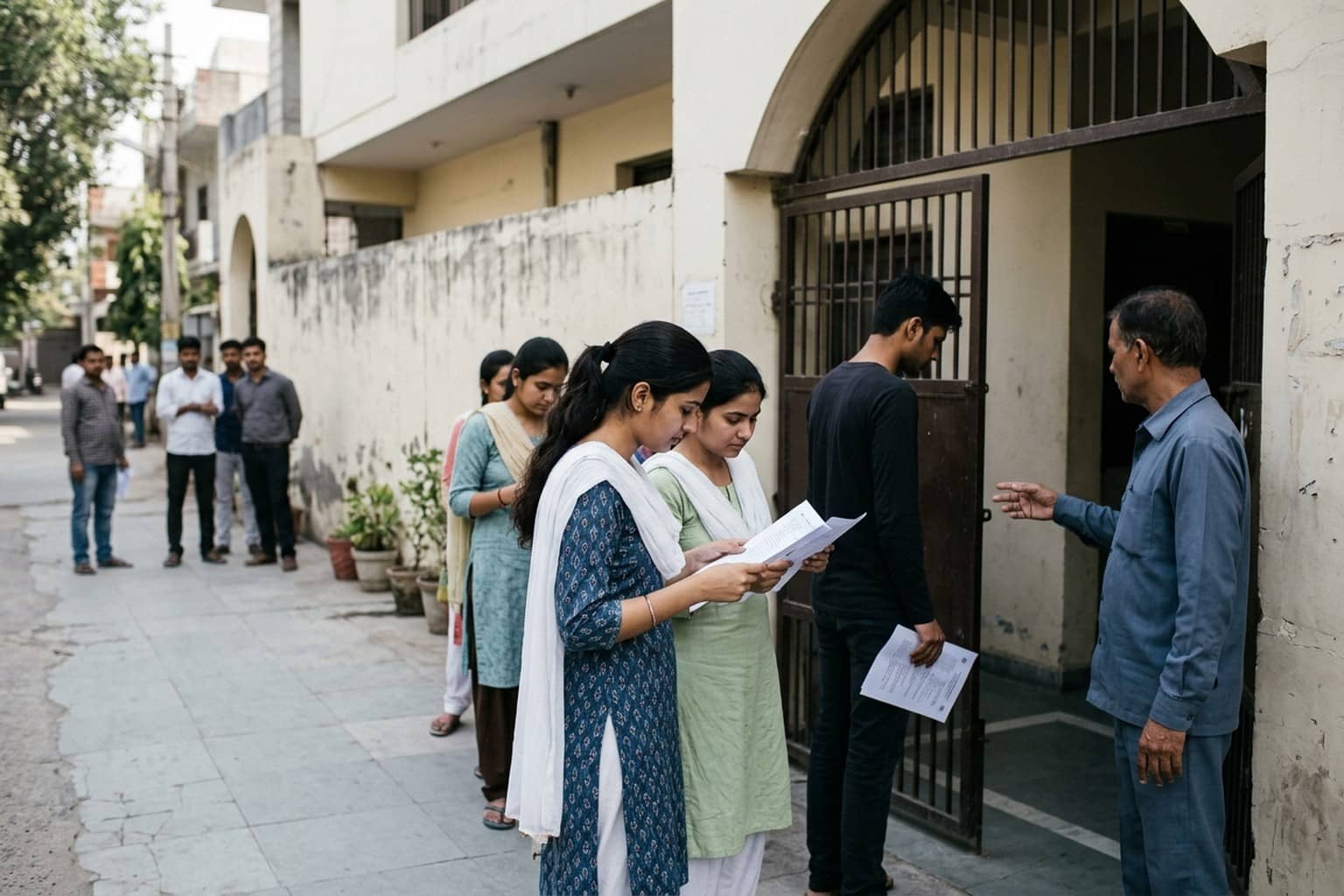
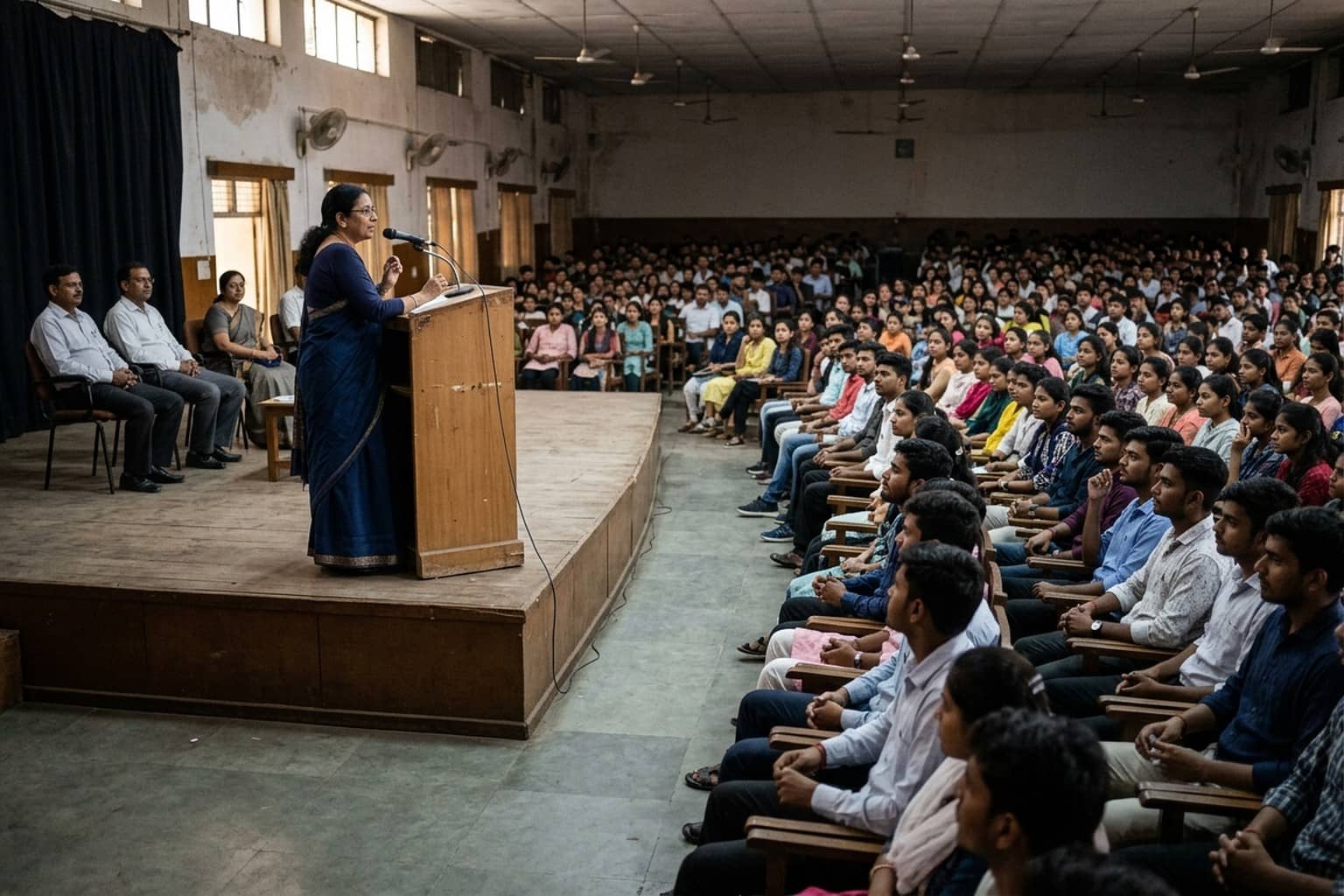
Across India, first-year students are settling into hostels and campuses this month, many of them away from home for the first time. The University Grants Commission (UGC) has reminded every university and college of what the law expects of them, and the same rules tell students and parents exactly where to turn.
In a letter dated 27 July 2026 to vice-chancellors, directors and principals of all higher education institutions, UGC Secretary Prof. Shyama Rath asked for strict implementation of the UGC Regulations on Curbing the Menace of Ragging in Higher Educational Institutions, 2009. The regulations were framed after the Supreme Court's judgment of 8 May 2009 in Civil Appeal No. 887 of 2009 and are available on the UGC website and on antiragging.in.
What UGC has asked institutions to do
The letter lists seven points. Institutions must set up and run the anti-ragging bodies the regulations require. They must display the 24x7 toll-free number, 1800-180-5522, with anti-ragging posters at prominent places. Students and parents must submit anti-ragging undertakings online through antiragging.in.
Institutions must also hold awareness, counselling, orientation and sensitisation programmes, keep a watch on hostels and other vulnerable places, deal with complaints promptly while protecting complainants, and report cases on time. Where a prima facie case of ragging is made out, the letter asks for immediate registration of an FIR and disciplinary action. Universities are asked to make sure their affiliated colleges comply too.
The safeguards a campus must have
The regulations require an Anti-Ragging Committee and an Anti-Ragging Squad in every institution, with the squad making surprise visits to hostels and other places where ragging is likely. Each batch of freshers is to be divided into small groups, with a faculty member assigned to each group to keep in touch with the students and help with any difficulty.
Freshers are to be housed, as far as possible, in a separate hostel block, and where that is not possible, wardens and security staff are to watch access to their rooms closely.
What counts as ragging
The regulations define ragging broadly. It covers teasing or treating a fresher or any other student with rudeness, rowdy or undisciplined behaviour that causes or is likely to cause annoyance, hardship, or physical or psychological harm, and asking a student to do something they would not do in the ordinary course and that causes shame or embarrassment.
It also includes forcing juniors to complete academic tasks for seniors, any financial extortion or forced spending, any physical abuse including sexual abuse, and any act that affects the mental health and self-confidence of a student. Abuse by spoken words, emails, posts or public insults, including passively taking part in someone's humiliation, is covered as well.
A 2016 amendment added another category: physical or mental abuse, including bullying and exclusion, aimed at a student because of colour, race, religion, caste, ethnicity, gender (including transgender), sexual orientation, appearance, nationality, regional origin, linguistic identity, place of birth, place of residence or economic background.
What the institution must do after a complaint
Under the regulations, once the head of an institution receives information about ragging, or a recommendation from the Anti-Ragging Squad, they must decide immediately whether a case under the penal laws is made out. If it is, an FIR is to be filed with the police within 24 hours, either by the head or by a member of the Anti-Ragging Committee they authorise.
The head must also inform the District Level Anti-Ragging Committee and, for an affiliated college, the nodal officer of the university. The institution's own inquiry must go on without waiting for the police, and the remedial action must be completed within seven days of the incident being reported.
Distress calls to the national helpline are relayed at the same time to the head of the institution, the hostel warden, the university's nodal officer where relevant, and the district authorities, and if needed to the District Magistrate and the Superintendent of Police.
Punishments a student can face
The institution's Anti-Ragging Committee decides the punishment based on the facts and the seriousness of the incident. The regulations list the options: suspension from classes and academic privileges, withholding or withdrawal of scholarship or fellowship, debarring from tests and examinations, withholding results, debarring from representing the institution at events, suspension or expulsion from the hostel, cancellation of admission, rustication for one to four semesters, and expulsion with a bar on admission elsewhere for a set period.
Where the students responsible cannot be identified, the institution is to resort to collective punishment. An appeal against the committee's order lies with the vice-chancellor for a college, with the chancellor for a university, and with the chairman or chancellor for an institution of national importance.
Institutions themselves can lose out too. A university can act against a college that fails to curb ragging, and UGC can withhold grants. Any incident of ragging is also to count against an institution in accreditation and ranking.
What freshers and parents can do
Save the helpline number, 1800-180-5522, before the first week on campus. Find out who is on the institution's Anti-Ragging Committee and Squad; their contact details are meant to be widely shared. Submit the online undertaking on antiragging.in on time, since institutions are asked to collect one from every student and parent.
If something happens, report it as soon as possible, in writing if you can, and keep a note of dates, names and any messages. The regulations require the institution to act, and they make it the parents' responsibility as well to report any incident promptly.
For students who have just been allotted seats in this year's counselling, including those reporting after MCC's NEET UG round 3 allotment or the AACCC round 2 result, these rules apply from the first day on campus.