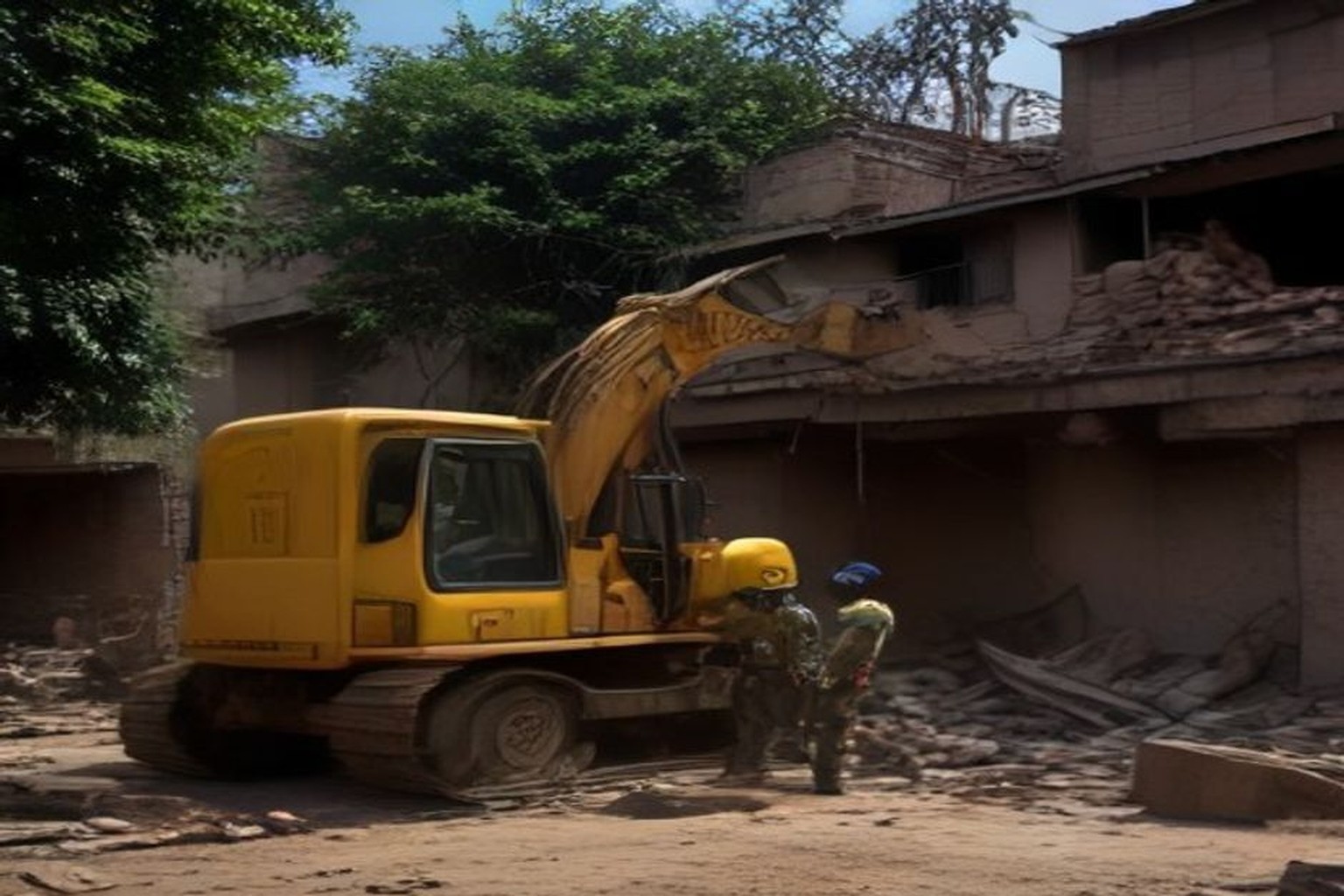
Tender Floated to Rebuild 4 km of Gurugram's Pataudi Road
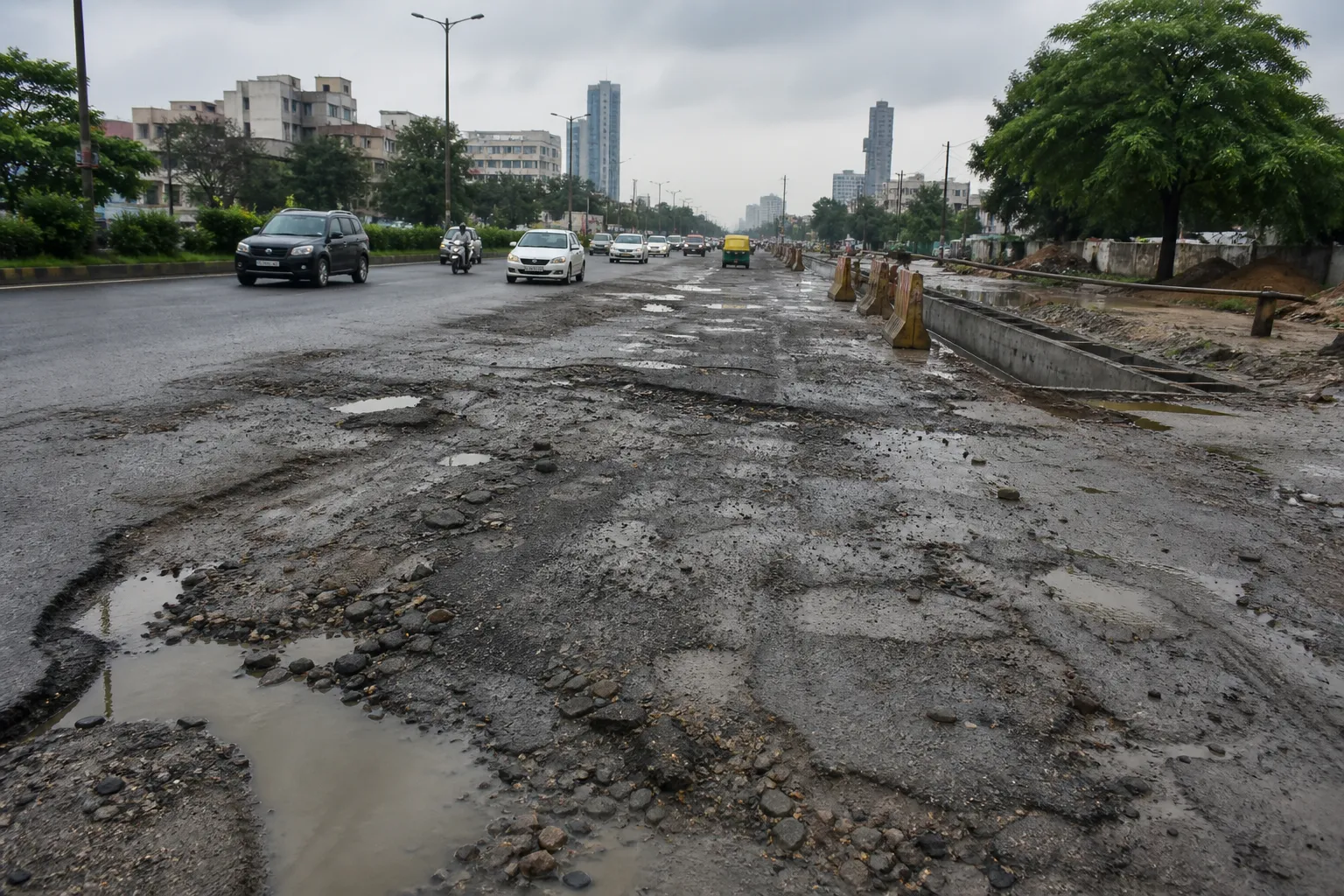
GURUGRAM: A four-kilometre stretch of Pataudi Road that has tested commuters with potholes, sewage overflow and monsoon flooding is finally at the tender stage. The Haryana State Industrial and Infrastructure Development Corporation has invited bids to reconstruct the corridor between Umang Bharadwaj Chowk and the upcoming Global City near Dwarka Expressway.
The tender arrives eight months after the rebuild was first announced. Its scope goes beyond placing a new asphalt layer on a failing surface. HSIIDC plans to reconstruct the carriageway, widen it where land and site conditions permit, relay sewer lines and build storm-water drains intended to address the water and wastewater that repeatedly spill onto the road.
This is a strategically busy link. Traffic from the Delhi-Jaipur highway uses it to reach sectors around Dwarka Expressway, while residents of sectors 9, 9A, 10, 10A, 36, 36B, 37 and 37B depend on it for daily travel. Industrial workers and commercial vehicles add to the load. Once the 1,000-acre Global City begins operating at scale, Pataudi Road is expected to serve as one of its principal approaches.
Relief, however, is not immediate. A floated tender must still attract qualified bids, survive technical and financial evaluation and result in a contract before work can begin. HSIIDC has indicated a one-year completion period from the award of the contract. That clock does not start merely because a bid notice has appeared.
The lag has frustrated commuters. During a February visit, Chief Minister Nayab Singh Saini directed officials to repair the road after public complaints. Temporary patching followed, but vulnerable portions deteriorated again. The episode illustrates why emergency filling cannot replace drainage correction and full-depth road treatment on a corridor exposed to heavy traffic and standing water.
Execution will now be as important as design. Drain and sewer work can require excavation along an already narrow route, creating new choke points unless diversions are planned in advance. Agencies should publish a stretch-wise construction schedule, keep access open for homes and businesses, mark trenches at night and coordinate utility shifting before the road surface is relaid.
The finished project should also be judged against measurable outcomes. Commuters need a safer and smoother carriageway, but they also need storm water to leave the road, sewage to remain inside its network and repaired sections to survive more than one monsoon. Defect-liability terms and third-party quality checks should therefore be visible rather than buried in contract paperwork.
For now, the tender is a credible step after months of announcements, not the completion of the promise. The real milestone will be machinery arriving under an awarded contract, followed by disciplined work that fixes the corridor from below the surface instead of preparing it for another annual patching cycle.
Sources and reporting
Based on HSIIDC tender details, project timelines and corridor conditions available on 16 August 2026.
Related Stories

Biker Dies After Thar Hit on Golf Course Road

Court Orders Probe Into Body Handling Lapses
Two Held After Rs 54,000 Robbery Near Rampura
DTCP Notices 30+ Buildings Over PGs in SL-3

Thar Driver Held After Dwarka Expressway Crash