Ten-Hour Power Cut Hits 12 Societies on Dwarka Expressway
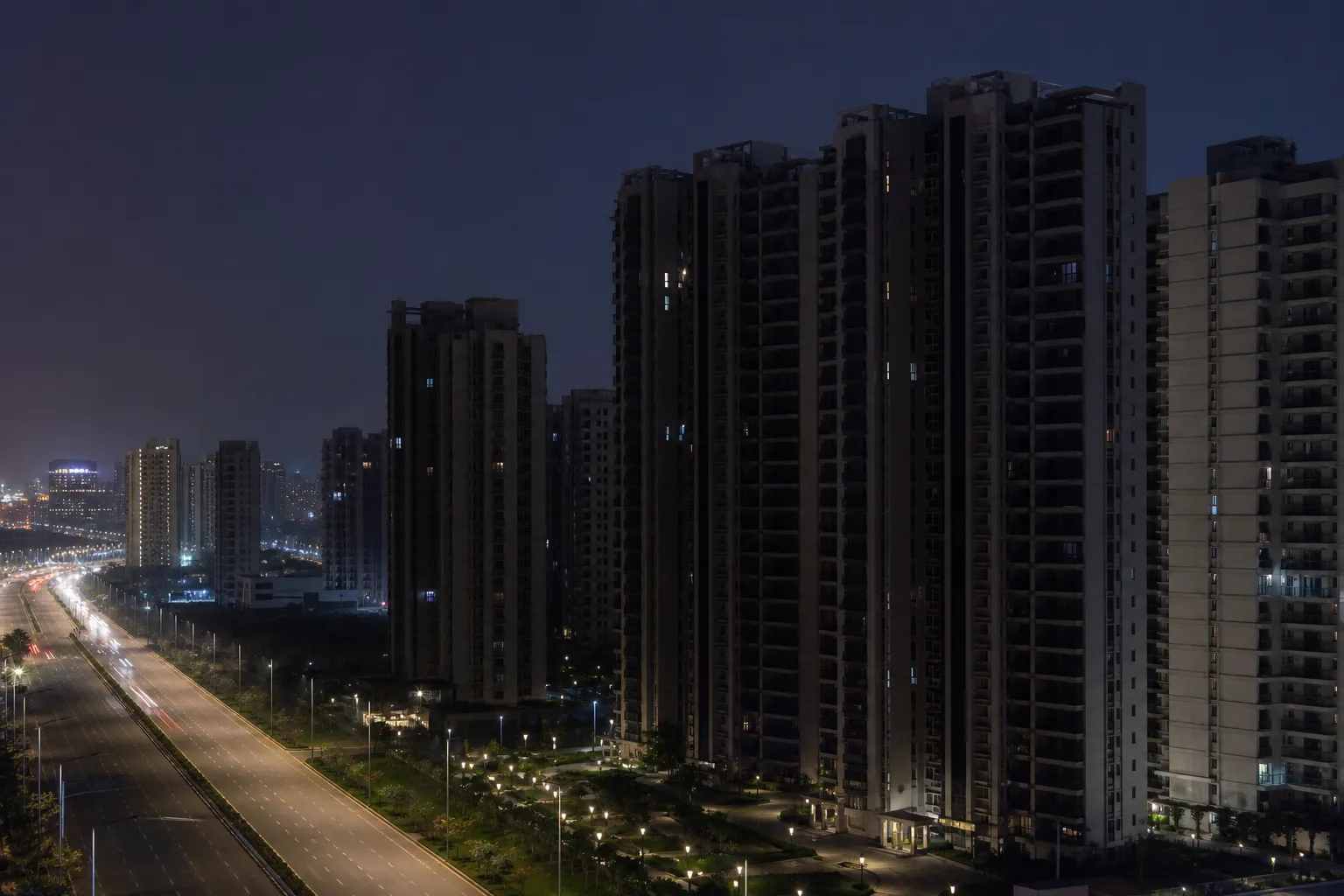
GURUGRAM: An Independence Day power failure lasting as long as ten hours disrupted 12 housing societies along Dwarka Expressway, affecting an estimated 12,000 to 15,000 families during a hot and humid Saturday. Residents reported drained inverters, spoiled refrigerated food and cancelled plans as utilities worked through multiple faults rather than a single local breakdown.
The affected condominiums included Emaar Imperial Gardens, Shapoorji Pallonji Joyville, Adani Oyster, BPTP Amstoria, ROF Aalayas, Suncity Avenue, Emaar Gurgaon Greens and Conscient Heritage Max in Sector 102. Satya The Hermitage in Sector 103, M3M Woodshire in Sector 107, and ATS Kocoon and SBTL Caladium in Sector 109 were also hit.
At Imperial Gardens, residents said supply failed around 6 am and returned at about 4.30 pm. Suncity Avenue's residents' association said 761 families in that society endured nearly ten hours without regular power. Backup systems that can handle short interruptions were depleted as the outage stretched through the day.
Distribution officials traced a major part of the disruption to a fault in a 33kV feeder cable box connected with the 220kV substation in Sector 107. The problem occurred where a realtor-provided feeder entered the gas-insulated control system. Engineers shifted load to other feeders, but that arrangement took time to execute and stabilise.
Separate equipment problems complicated restoration. Officials said a vacuum circuit breaker panel fault at Joyville affected that society and Imperial Gardens because of shared supply lines. Repeated tripping also disrupted the Sector 107 substation and Adani Oyster. The breaker fault was reported rectified by 4.30 pm, while the cable-box repair was expected to follow.
The incident exposes a boundary that residents should not have to decode during every outage: which component belongs to the developer and which belongs to the distribution company. In newer sectors, supply can pass through a chain of substations, feeder cables and society panels maintained by different entities. A failure at one handover point can leave thousands of households waiting while responsibility is established.
A technical review should map that chain for each affected society and identify common-mode risks, especially shared cables or panels capable of taking multiple complexes offline. Utilities should publish restoration estimates early, preserve temporary redundancy during permanent repairs and test whether backup switching works under real load rather than only on paper.
Residents do not expect a network with zero faults, but they can reasonably expect preventable failures to be tracked and recurring weak points replaced. Saturday's outage was not only an inconvenience on a holiday. In high-rise neighbourhoods, electricity supports water pumping, lifts, access systems, refrigeration and home medical equipment. Ten hours turns a power cut into a basic habitability problem.
The immediate supply has been restored, but the more important question is whether the cable box, breaker panels and repeated tripping are treated as one-off repairs or as evidence for a corridor-level resilience plan. Without that follow-through, the next long outage will produce the same list of explanations and the same households carrying the cost.
Sources and reporting
Based on resident accounts and power-distribution fault details available on 16 August 2026.
Related Stories
Biker Dies After Thar Hit on Golf Course Road
Court Orders Probe Into Body Handling Lapses
Two Held After Rs 54,000 Robbery Near Rampura
DTCP Notices 30+ Buildings Over PGs in SL-3
Thar Driver Held After Dwarka Expressway Crash