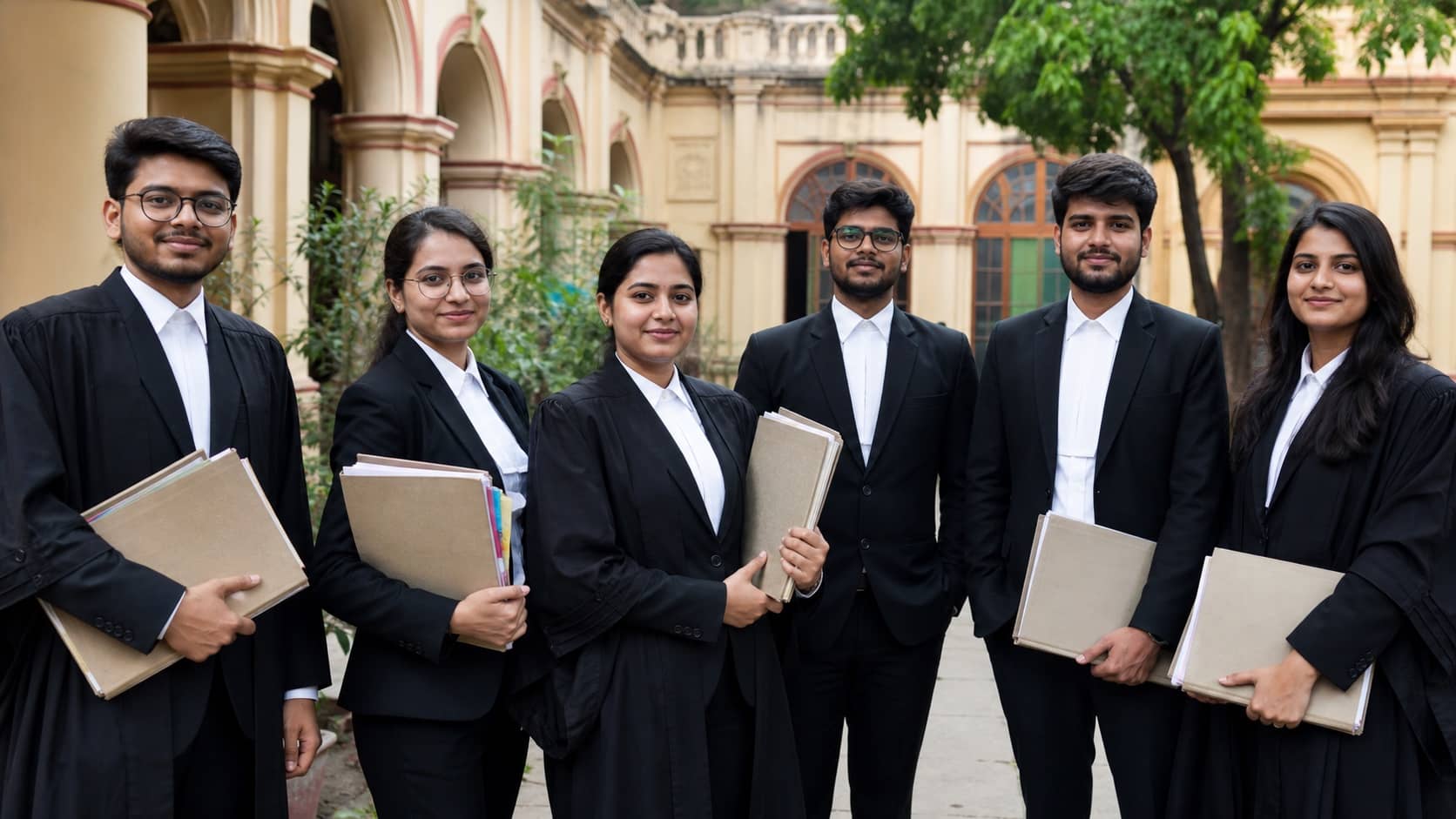
VARANASI: Six students from Banaras Hindu University’s Faculty of Law have finished among the top 20 candidates in the UPSC examination for public prosecutors in the Central Bureau of Investigation.
Anshuman Tripathi secured rank two and Rahul Yadav rank three. Kamalakshi Kumari placed eleventh, Virendra Kumar sixteenth, Shantanu Bhatt eighteenth and Anand Seth twentieth, according to the faculty’s result announcement for the 2026 examination.
The clustering of six candidates near the top is notable because a prosecutor’s recruitment process tests more than the ability to remember legal provisions. Candidates must understand criminal law and procedure, evidence, constitutional safeguards and the role of a public prosecutor, whose duty is to assist the court fairly rather than pursue conviction at any cost.
Faculty head Professor Pradeep Kumar Singh congratulated the students. The result will naturally be celebrated on campus, but the next stage is administrative. Selected candidates may still need to complete document verification, medical or character checks and other appointment formalities specified by the recruiting authority. A rank announcement should not be confused with the date on which an officer assumes charge.
For law students in Varanasi, the result provides a concrete picture of a public-service career that receives less attention than judicial service or private litigation. CBI public prosecutors appear in cases investigated by a central agency, prepare legal submissions, examine evidence and represent the prosecution before designated courts. The work demands independence, precision and the discipline to disclose weaknesses as well as strengths in a case.
Preparation for such an examination usually involves reading bare acts closely, tracking significant judgments and practising how legal principles apply to facts. Classroom discussion helps, but candidates also need to write clear answers under time pressure. The six ranks suggest that the faculty’s students were able to translate academic grounding into competitive performance.
The result is also a reminder that a successful legal career is not built only through headline cases. Public prosecutors spend substantial time reading files, coordinating with investigators, meeting procedural deadlines and ensuring witnesses are handled lawfully. Poor preparation at any of those stages can damage a case and a citizen’s rights.
BHU’s Faculty of Law has a long national footprint, and alumni achievements are often used as shorthand for institutional prestige. The more useful response is to make successful candidates’ preparation methods accessible to younger students through mentoring sessions, reading lists and realistic guidance about recruitment.
Ranks two through twenty give the six students an impressive start. Their larger professional test will begin after appointment, when marks are replaced by real evidence, real accused persons and a public duty that must be exercised without fear or favour.