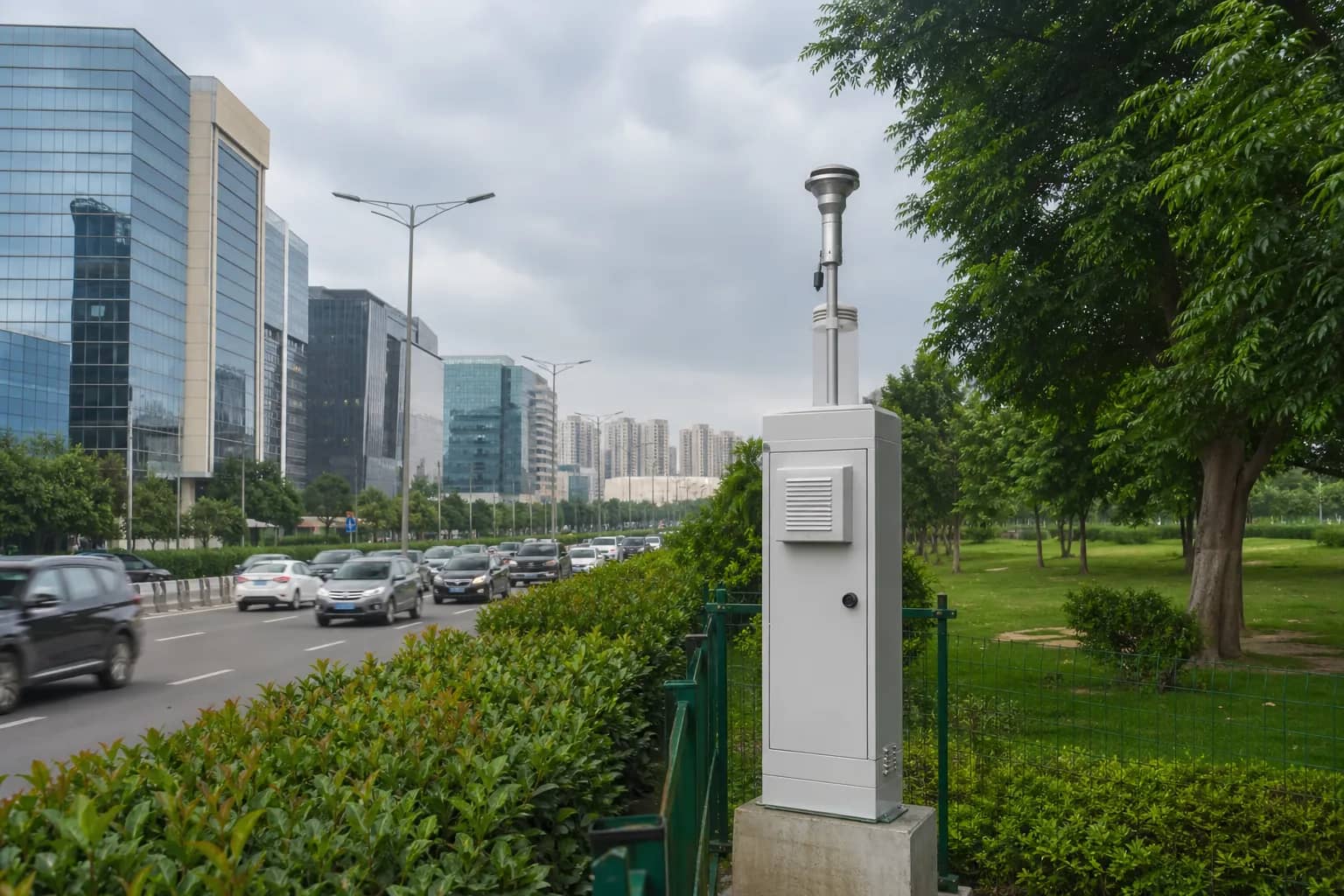
GURUGRAM: Gurugram is set to add six air-quality monitoring stations by December, a significant expansion for a district where large residential sectors, industrial belts and rural edges are still represented by a small number of sensors. The revised plan was reviewed this week as Haryana agencies prepared for the annual winter pollution cycle across the National Capital Region.
The proposed stations will be placed at Maharana Pratap Swaran Jayanti Park in Sector 29, the Basai water treatment plant, Tau Devi Lal Park in Sector 22, SGT University, KR Mangalam University and Starex University. Together, the sites are intended to capture a broader mix of traffic, residential, institutional, semi-urban and industrial conditions than the current network.
Gurugram presently has monitoring stations at TERI Gram, Gwal Pahari, Vikas Sadan and Sector 51, with another at the HSIIDC building in Manesar. The pollution control board also plans to shift the TERI Gram station to Bhondsi because TERI Gram and Gwal Pahari are close enough to risk measuring similar conditions rather than expanding the city's geographic picture.
The new location list is not the one first discussed. An earlier five-station plan included Leisure Valley Park, the Chandu water treatment plant and sewage treatment facilities at Jahaigarh and Dhanwapur. Only Tau Devi Lal Park survives from that proposal. Officials say the final selection followed a grid analysis, a minimum spacing of roughly five kilometres and consultations with the central pollution regulator.
Why the map matters
Air monitors are not simply digital boards that announce a citywide AQI. Their position shapes the pollution story authorities see. A station beside heavy traffic may pick up a different mix of emissions from one near construction activity, an industrial cluster or a green campus. When too few monitors cover a district of roughly 732 square kilometres, a single average can flatten those neighbourhood-level differences.
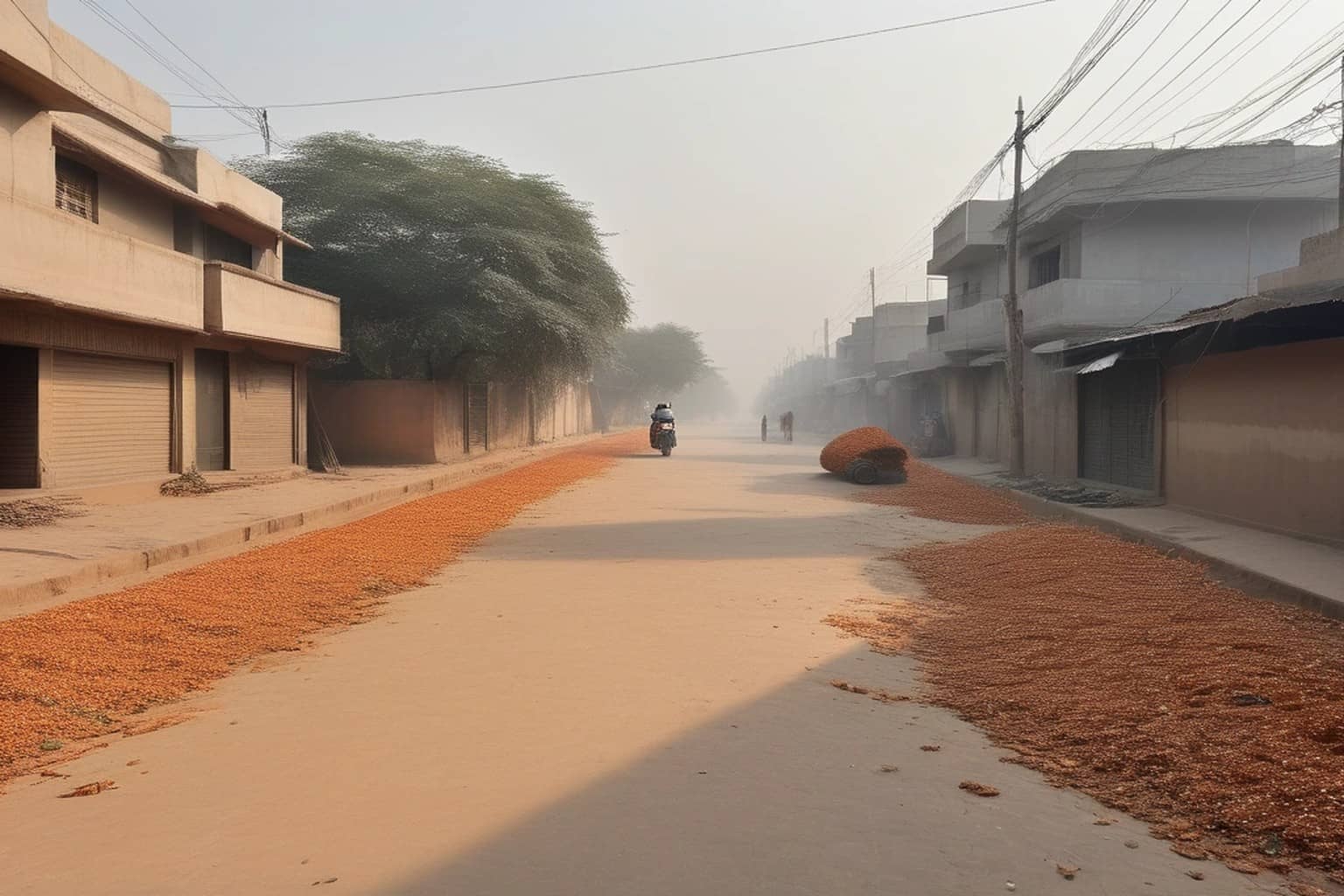
That gap is especially visible in Gurugram's newer sectors and peripheral settlements, where construction, unpaved verges, diesel generators and truck movement can be intense even when the closest official monitor is kilometres away. A wider network should make it easier to identify recurring hotspots, test whether enforcement has an effect and distinguish a local dust problem from a wider regional smog episode.
Reliability will matter as much as the number of stations. Last October, technical faults and delayed calibration reportedly left three of the four operating city stations offline at the same time. With only Vikas Sadan providing data, the public dashboard could not offer a representative picture of conditions across Gurugram. Dense tree cover and gaps in pollutant readings have also raised questions around some existing locations.
At the review, state urban-development adviser D S Dhesi asked the pollution control board to complete installation on time and keep the equipment functional. That second instruction is the real test. Six more pins on a map will improve Gurugram's pollution intelligence only if the stations are calibrated, transmit continuously and produce data that residents, researchers and enforcement teams can trust through the winter.