For Sariska safari booking, start with the Sariska link in the National Tiger Conservation Authority's official reserve directory. It points to Rajasthan's OBMS page for Sariska Tiger Reserve. Before arranging a November visit, check the entrance named on the actual booking and the operating day: Rajasthan Tourism's Alwar page says forest entry is closed on Wednesdays. These public pages were checked on 7 November 2026 at 22:00 IST.
| Planning question | Verified starting point |
|---|---|
| Official booking destination | Sariska Tiger Reserve page on Rajasthan OBMS, linked by NTCA. |
| Location | Alwar, in the Aravali hills. |
| Weekly closure | Rajasthan Tourism lists Wednesday closure for forest entry. |
| Gate, shift and payable amount | Check the selected visit and booking confirmation. |
Which is the official Sariska safari booking website?
The NTCA tiger reserve directory lists Sariska under Rajasthan and links to the government OBMS attraction page. Following that route gives a reader an independent official starting point. A search result containing the words national park or safari booking is not, by itself, proof that a website belongs to the reserve.
OBMS is a wider Rajasthan tourism booking service. Its public home page includes wildlife destinations, monuments and other attractions, so make sure the selected attraction is Sariska Tiger Reserve. An attraction description is also different from a completed reservation. Keep the final confirmation, and check that its date and visit details match the plan before making onward arrangements.
We have not completed a reservation, entered an account or checked a paid checkout. This guide therefore does not quote a live seat count, promise a particular shift or give a supposedly universal total. Those details can depend on the visit selected. A traveller comparing offers should compare what is included and the entrance involved, rather than treating every amount labelled safari as the same service.
Sariska Gate or Tehla Gate: what should you check?
The OBMS overview lists five numbered routes: routes 1, 2 and 3 under Sariska, and routes 4 and 5 under Tehla. Route 4 includes Chamari ka Bera and Pandupole; route 5 includes Kankwari Gate and Nilkanth Mahadev. These are published route descriptions, not a statement that every route is available on every date. That makes the entrance an important planning detail. Do not assume a hotel address near one side of the reserve is automatically convenient for the entrance shown on a booking. Read the exact gate name before fixing the meeting place for your party.
Build a small itinerary around that gate: accommodation location, reporting instructions on the permit, the booked shift and the return journey. These are practical checks rather than a claim that the gates have identical routes or interchangeable permits. If a confirmation is unclear, resolve the detail through the official booking information before travelling; a general map pin for Sariska does not identify your particular departure point.
The Rajasthan Tourism Alwar page describes Sariska as about 200 kilometres from Delhi and 107 kilometres from Jaipur. Treat those as destination orientation distances. They are not a guaranteed driving time, nor a measure of the distance to every reserve entrance. A journey plan needs the actual starting location and the entrance attached to the visit.
Is Sariska open on Wednesday, and what can visitors see?
The same tourism page states that entry to the forest is closed on Wednesdays. Check the selected date against that condition before planning a midweek trip. The public statement should not be stretched into a claim that every nearby monument, temple or accommodation follows the same timetable. Each attraction's access arrangements may need a separate check.
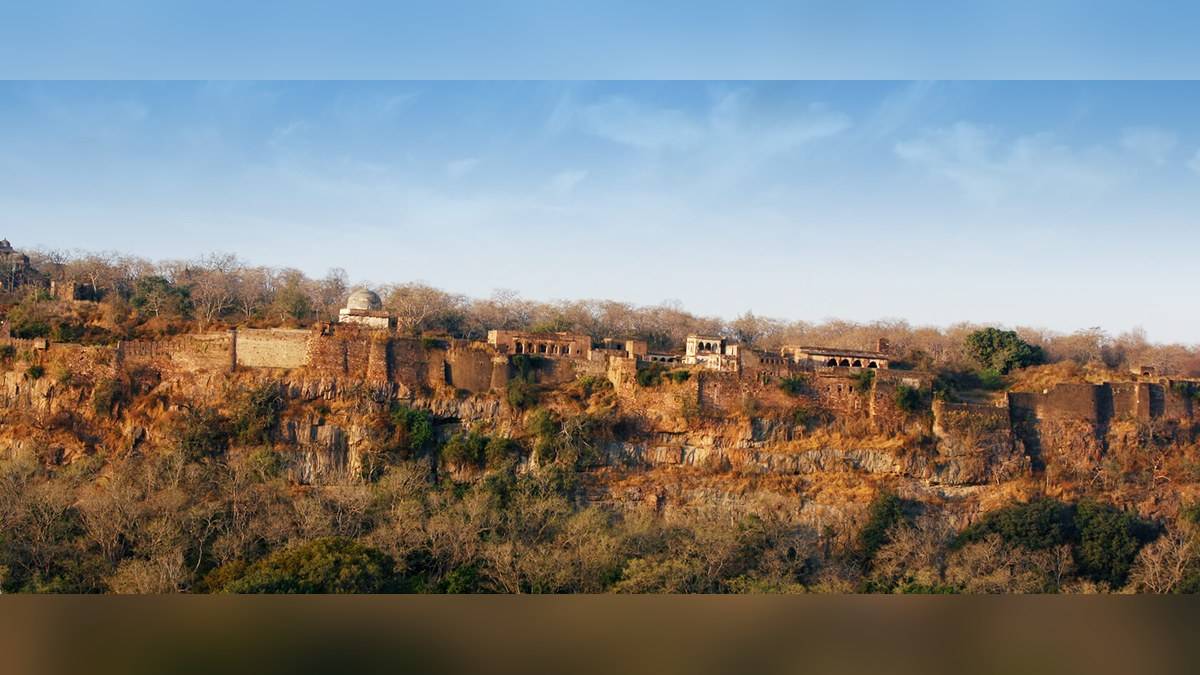
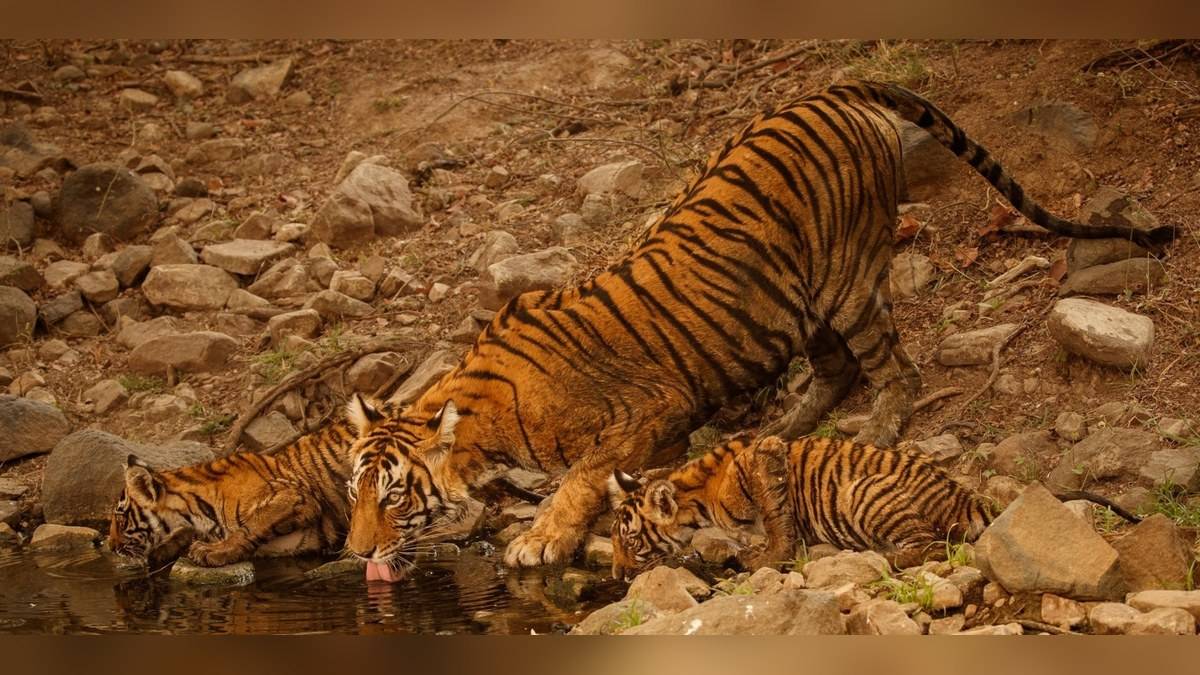
Rajasthan Tourism's dedicated Sariska guide describes a landscape of mountains, grasslands, dry deciduous forest and cliffs. It identifies animals including jungle cats, rhesus macaques, sambar, chital and wild boar, alongside tigers. That supports planning a wildlife outing with a broader interest in the habitat, rather than making the trip depend on one animal appearing.
The guide also describes Kankwadi Fort in connection with a jeep safari, and mentions Neelkanth Temple and Pandupol Hanuman Temple. These names are useful for understanding the area's cultural landscape. They do not establish that one standard safari booking includes every stop. Ask what the selected visit actually covers instead of assembling a guaranteed route from a general destination article.
How to plan a responsible November visit
NTCA describes reserve tourism in terms of low impact activities and minimal disturbance to wildlife. Follow the instructions of authorised staff and guides, keep the party together where directed, and avoid turning a sighting into a demand to approach or interrupt an animal. A booking buys access under the applicable conditions; it cannot promise wildlife behaviour.
For a wider Rajasthan itinerary, our Bharatpur bird sanctuary guide considers a different wildlife outing, while the Pushkar Fair guide and Bundi Festival guide cover cultural stops. Give each destination its own travel time and booking checks rather than assuming one reservation or timetable covers the whole journey.