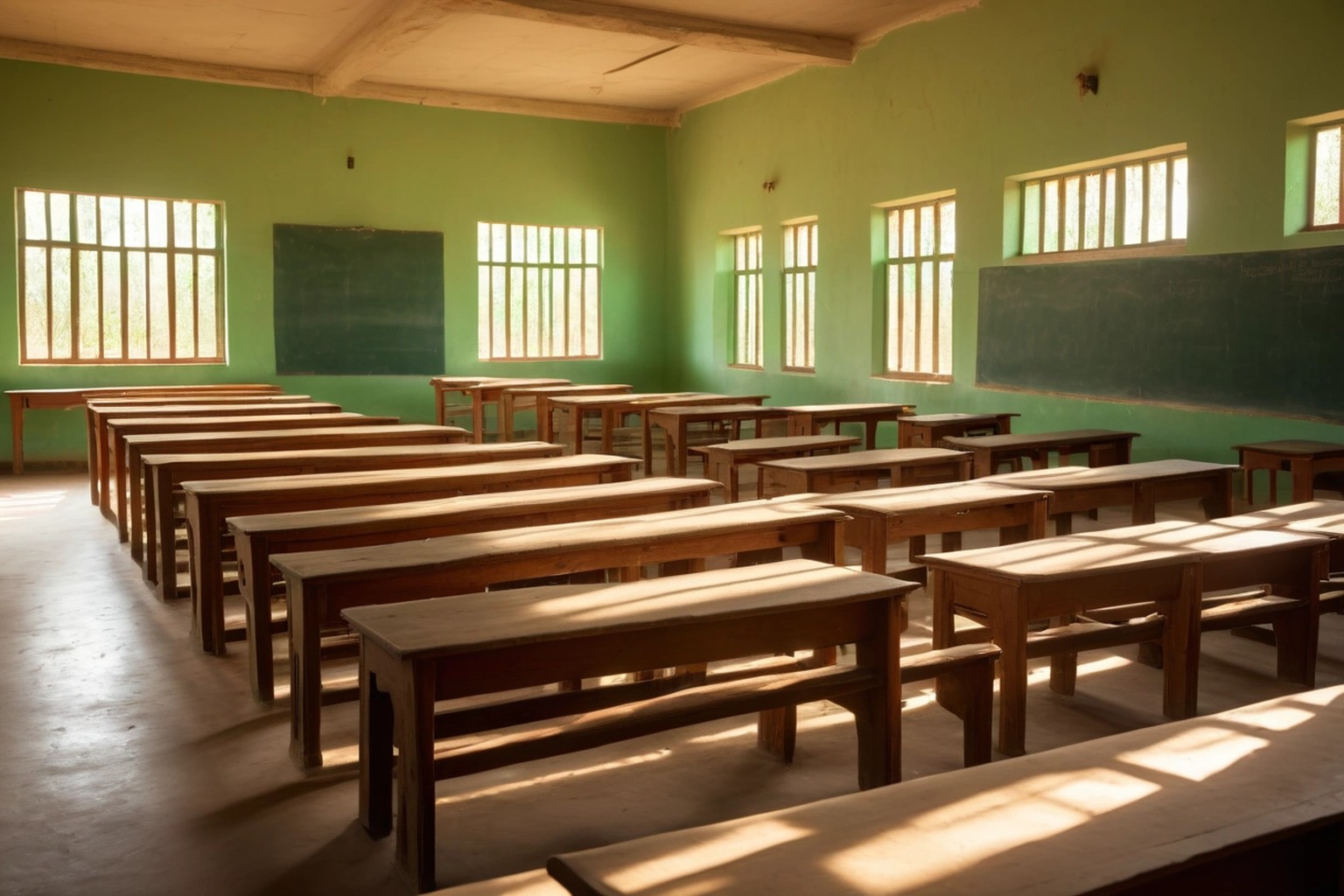
Punjab Assembly Passes 5% Cap on Annual Private-School Fee Increases

The Punjab Assembly unanimously passed legislation on Monday, 10 August, to limit annual fee increases by unaided private schools to 5%, replacing a higher ceiling in the state's existing regulatory framework.
Education Minister Harjot Singh Bains introduced the Punjab Regulation of Fee of Unaided Educational Institutions (Amendment) Bill, 2026, on the final day of the monsoon session. The measure is intended to cover about 7,800 private schools and nearly 32 lakh students, according to figures cited during reporting on the bill.
The 5% ceiling is not confined to the tuition line on a fee slip. The bill's definition includes development fees, annual and activity charges, smart-class or technology charges, laboratory and library charges, examination fees and other compulsory funds. Transport charges are included where transport is not governed by a separate contract.
That broader definition is important for parents because a narrow tuition cap can otherwise be offset by increases under different headings. Once the law is operational, families will need to compare the full compulsory cost of attendance rather than only one component of the quarterly bill.
The bill also provides for forensic audits where excess collection is suspected. Amounts found to have been collected beyond the permitted level are to be refunded to parents. Reported penalties rise from Rs 50,000 for a first offence to Rs 1 lakh for a second; a third violation could lead to cancellation of affiliation.
A district regulatory committee headed by the Deputy Commissioner is expected to examine and regulate fee-increase proposals. The structure creates a local forum, but its effectiveness will depend on procedural rules: what schools must disclose, how parents can complain, how quickly cases are heard and whether orders are published.
The Assembly's passage is a major legislative step, but parents should distinguish it from immediate execution. A bill ordinarily requires the remaining constitutional and administrative formalities, followed by notifications or rules where necessary. Until those steps are complete, families should avoid assuming that every existing demand has automatically become refundable.
Schools, meanwhile, need clarity on the base fee against which the 5% ceiling will be calculated. They will also have to separate genuinely optional services from mandatory charges and retain records capable of withstanding an audit. A predictable cap may aid family budgeting, but institutions will argue that salaries, utilities, safety compliance and educational technology do not rise at a uniform rate.
The previous Punjab law dates to 2016 and was described during the Assembly debate as having an 8% ceiling. The political discussion included disagreement over past enforcement and retrospective recovery. Those exchanges should not obscure the practical test of the new measure: whether the state can apply a consistent rule without delaying legitimate school expenditure or leaving parents to navigate opaque complaints.
For parent associations, the useful first step is documentation. Fee circulars, receipts and notices should be preserved, and any calculation should include each compulsory head. Complaints are stronger when they identify the previous fee, the new fee, the percentage change and the relevant date instead of making a general allegation of overcharging.
For school leaders, transparent communication will matter just as much. A fee notice should state the old and new amounts, explain the calculation and identify optional services separately. Institutions that can show how money supports teaching, staffing and facilities will be better placed to maintain trust within the new ceiling.
The amendment promises a simpler headline rule. The harder work begins after passage: defining the calculation, staffing district committees, conducting fair audits and ensuring that parents and schools can both obtain timely, reasoned decisions.
Sources and reporting
Based on the Punjab Assembly's passage of the amendment bill on 10 August 2026 and contemporaneous PTI reporting; no original interviews were conducted.
Related Stories
Festive Special to Gorakhpur Gets Gurugram Halt
Fifth Accused Held in Rs 25 Lakh Sector 47 Robbery

Courier Staffer Booked Over 105 Missing One8 Returns
HC Sets Rs 50 Lakh Costs for Accused's Return to India

Gurugram Swimmer, 20, Crosses English Channel