
Pollution Board Seals 48 Illegal Concrete Plants in Gurugram, Recovers Rs 1.57 Crore
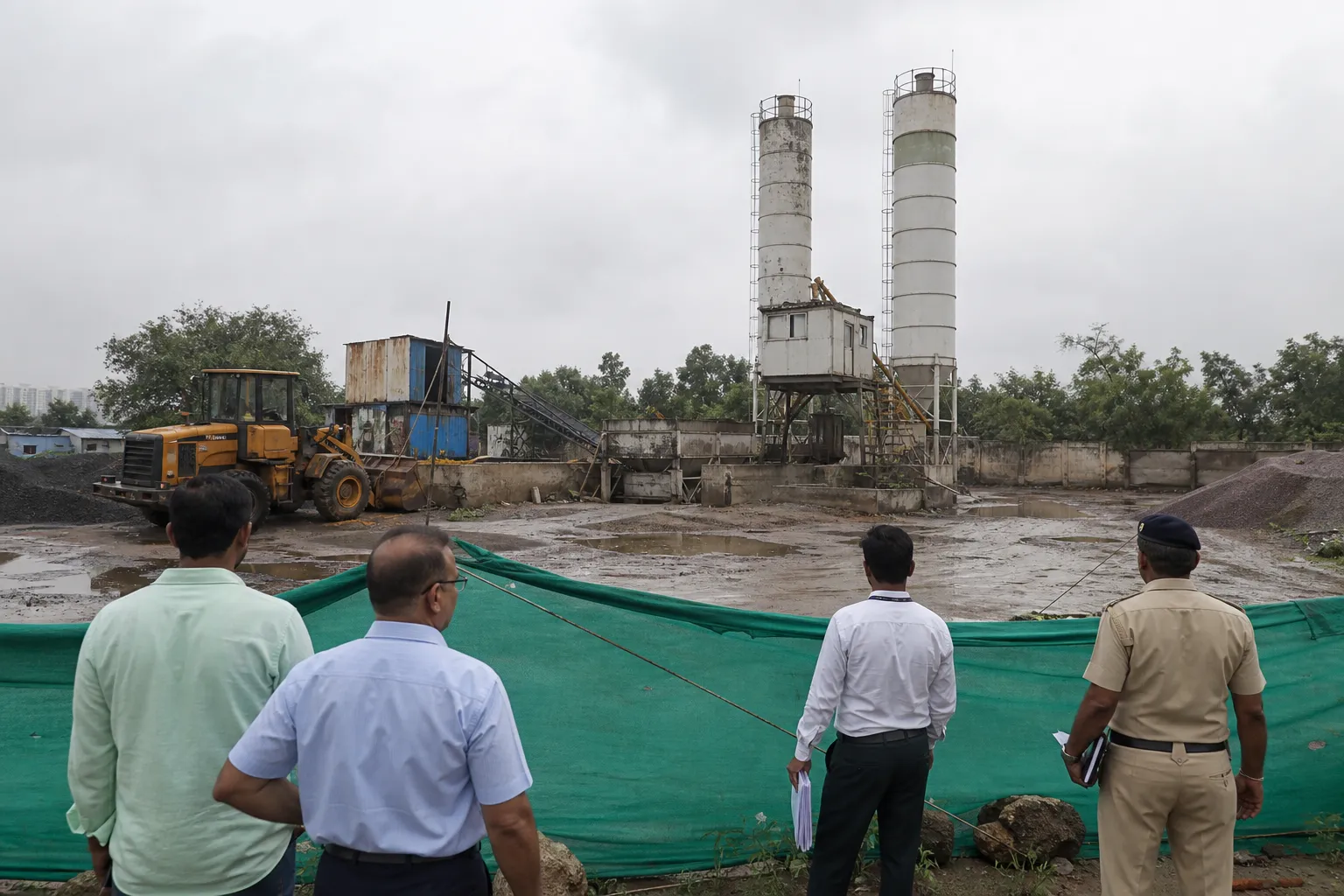
GURUGRAM: Haryana's pollution-control authorities have sealed 48 unauthorised ready-mix concrete plants in Gurugram during a two-month enforcement drive, dismantled 20 of them and recovered more than Rs 1.57 crore in environmental compensation. The action targets a sector that can generate heavy dust, wastewater, truck movement and groundwater stress when operated without consent or pollution controls.
The drive was carried out in June and July. Of the sealed units, 20 have been completely dismantled and two partially dismantled, according to the enforcement figures. Closure has been recommended for three more plants, while one unit has received a show-cause notice.
Recovery and prosecution move on separate tracks
The Haryana State Pollution Control Board's Gurugram North office reported recovery of Rs 1,57,07,063. Proceedings continue for outstanding compensation. Recovery certificates have been generated and the deputy commissioner's office has been approached to collect unpaid amounts under the land-revenue mechanism.
Financial recovery is not the same as prosecution. Cases have been filed against 10 units, while 26 more are being processed through the online consent and inspection system. Each proceeding will have to establish the status of the unit, the permissions it lacked and the violations attributed to it. A sealing action is an administrative enforcement step and does not remove the need for due process in any prosecution.
Multiple agencies needed to close a plant
An illegal concrete plant is rarely controlled by one department alone. The pollution board coordinated with the town-planning department, Municipal Corporation of Gurugram and Gurugram Metropolitan Development Authority for demolition. Electricity connections were disconnected through the power utility. Suspected illegal borewells were referred to the state water-resources authority.
Sub-divisional magistrates were asked to take custody of illegal plants, and police assistance was sought for enforcement. This division of responsibility explains why a closure order can fail if machinery, power, land use and water extraction are handled in separate files without a common follow-up record.
Seals must remain seals
The next challenge is preventing closed units from quietly restarting. Officials said regular inspections are being conducted. Effective monitoring should record the coordinates of each plant, photograph the seal and dismantled equipment, track electricity and borewell status and note any fresh stock of aggregate or cement entering the site.
Ready-mix concrete is essential to Gurugram's construction economy, but legal operators carry the cost of consent, dust suppression, wastewater handling and worker safety. Unauthorised plants can undercut those costs while shifting pollution onto nearby villages and roads. Enforcement therefore protects both the environment and compliant businesses.
The numbers released this weekend show a substantial operation, but the lasting result will be measured later. Authorities will need to disclose how many of the 48 sites remain closed, how much compensation is still unpaid and what happened in the prosecution files. A dismantled plant is visible progress; a verified end to repeated illegal operation is the more important test.
Sources and reporting
Original Dalimss News report based on pollution-control enforcement figures and verified inter-agency action reported on 9 August 2026.
Related Stories

Festive Special to Gorakhpur Gets Gurugram Halt
Fifth Accused Held in Rs 25 Lakh Sector 47 Robbery

Courier Staffer Booked Over 105 Missing One8 Returns

HC Sets Rs 50 Lakh Costs for Accused's Return to India

Gurugram Swimmer, 20, Crosses English Channel