
Nav Sadhana Opens Five-Day Course on the Pauline Letters for Novices
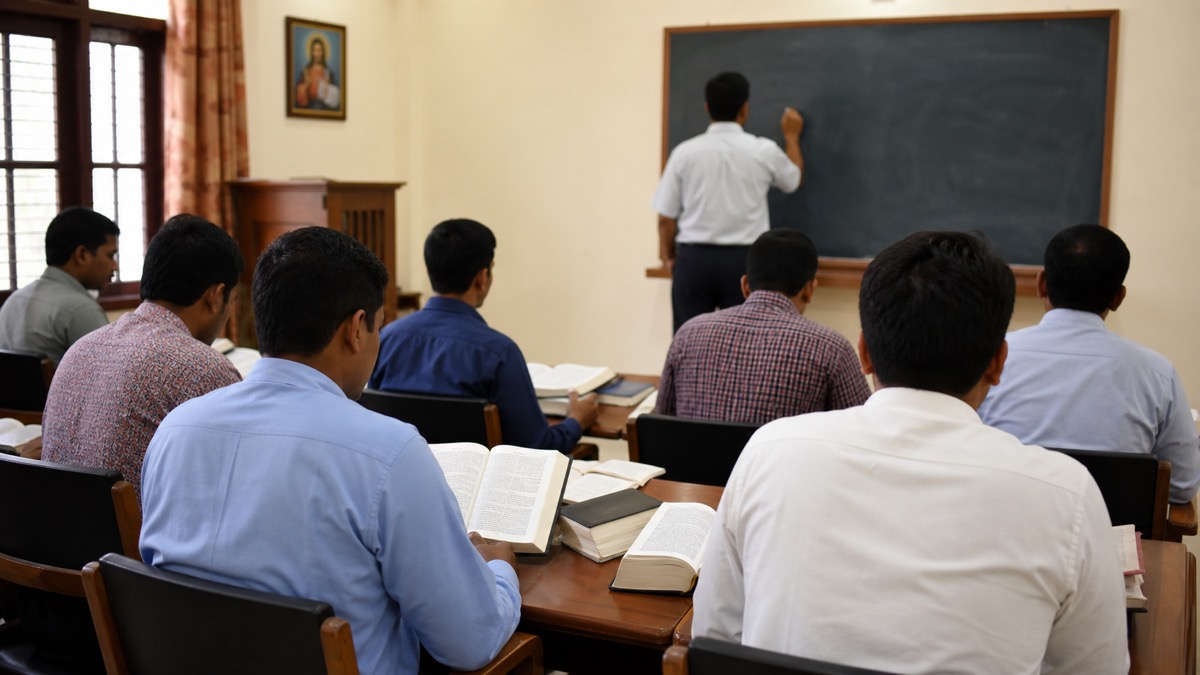
Nav Sadhana Regional Pastoral Centre in Varanasi has begun a five-day course on the Pauline Letters for novices, running from 10 to 14 August. The programme places one of the most influential bodies of early Christian writing at the centre of a structured classroom rather than a brief devotional session. For participants in formation, the letters raise questions about community, disagreement, ethics and leadership that remain relevant far beyond their historical setting.
The course format gives teachers time to move between text and context. The letters attributed to Paul emerged from specific communities facing particular disputes; reading them responsibly requires attention to audience, language, authorship and the social world of the first century. Without that grounding, familiar lines can be isolated from the argument around them. A multi-day programme allows participants to compare passages and ask why different communities received different counsel.
Novices are an important audience because they are preparing for lives of service in which they may teach, counsel or lead groups. The skill being developed is not simply recalling verses. It is learning how to read carefully, recognise complexity and communicate a text without flattening it into an easy slogan. Discussion with peers is part of that process, especially when interpretations differ and participants must explain the evidence for their view.
Nav Sadhana’s location in Varanasi adds another dimension. The city is home to multiple religious and philosophical traditions living close together. Theological education here can be intellectually serious about its own sources while remaining attentive to dialogue, local culture and the responsibilities of speaking in a plural society. The quality of formation is often visible in whether conviction produces curiosity or closes it down.
A good course should also make its boundaries clear. Five days cannot settle every historical and theological debate in the Pauline corpus. It can provide a map: major themes, contested questions, methods for further study and a reading list that continues after the classroom ends. Feedback from participants can help the centre decide whether follow-up seminars or language workshops would be useful.
The programme is a small educational event in a city full of large public gatherings, but its scale should not be mistaken for insignificance. Institutions are shaped in rooms where people learn how to interpret, listen and disagree. A concluding reflection or participant note could help document what questions remained open and guide future teaching. By giving novices sustained time with difficult texts, Nav Sadhana is investing in precisely that quieter kind of formation.
Sources and reporting
Programme information published by Nav Sadhana Regional Pastoral Centre for 10–14 August 2026; participant details are kept general.
Related Stories

Festive Special to Gorakhpur Gets Gurugram Halt

Fifth Accused Held in Rs 25 Lakh Sector 47 Robbery

Courier Staffer Booked Over 105 Missing One8 Returns

HC Sets Rs 50 Lakh Costs for Accused's Return to India

Gurugram Swimmer, 20, Crosses English Channel