
Modern Irrigation Systems Help Kashi Farmers Cut Water Use
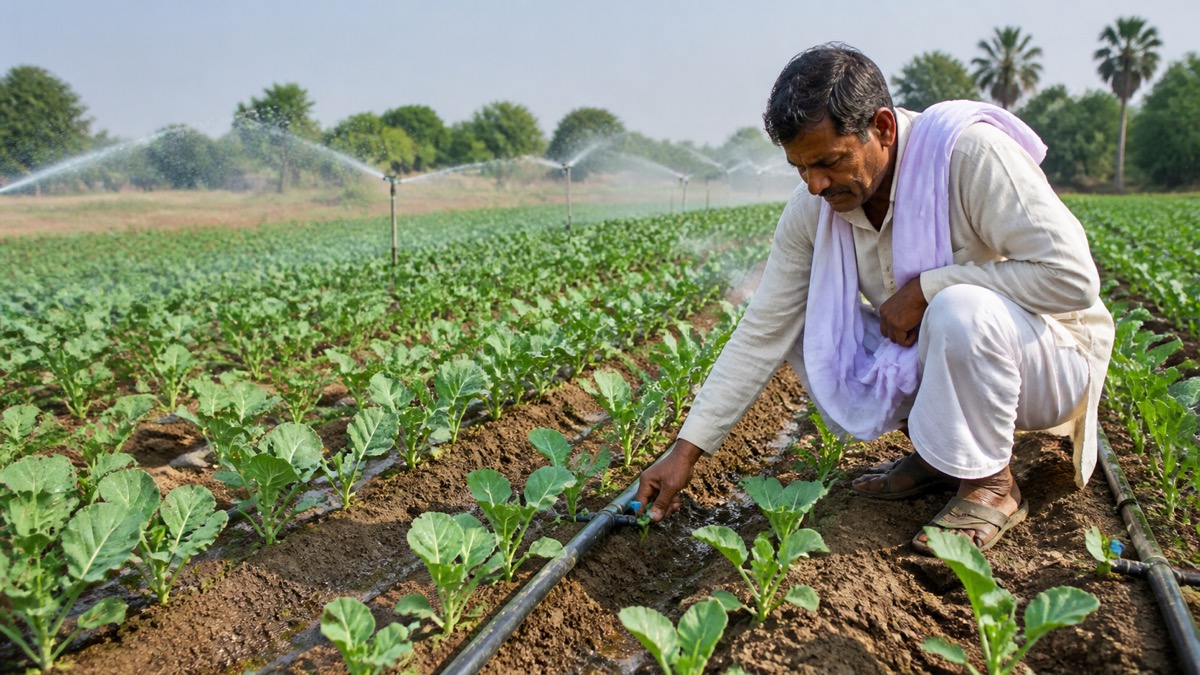
VARANASI: Farmers around Kashi are increasingly using drip and sprinkler systems to deliver water more precisely, reducing waste at a time when rainfall is uneven and pumping costs remain a major part of cultivation.
Drip irrigation places water close to the root zone through a network of pipes and emitters. Sprinklers distribute it over a wider area and can suit crops or soils where lines at each plant are impractical. Neither system is automatic conservation: design, pressure and timing determine whether it actually saves water.
For small farmers, the biggest barrier is often the upfront cost. Subsidies can help, but equipment must arrive on time, fit the field and include training. A cheap installation that clogs after one season becomes stranded plastic rather than infrastructure.
Matching method to crop
Vegetables, orchards and row crops can benefit from targeted irrigation, while other fields may need a different layout. Agriculture officers should base recommendations on soil, water quality and crop cycle, not a one-size-fits-all target.
Filters and flushing are essential where groundwater carries sediment. Farmers also need access to replacement connectors and local technicians. A broken emitter can leave plants dry even when the pump is running.
Energy and groundwater
Using less water can reduce electricity or diesel consumption, but only if pumping hours fall. If saved water is used to expand the irrigated area without monitoring, groundwater extraction may not decline. Village-level water budgeting can connect farm efficiency to the aquifer beneath it.
Solar pumps make irrigation cheaper to operate and can encourage over-pumping unless incentives reward conservation. Metering, shared schedules or payments for surplus solar power can help align energy and water goals.
Measure the result
Demonstration plots should compare water use, labour, yield and crop quality with a similar conventional field. Publishing those numbers gives farmers a realistic payback period and exposes where maintenance costs have been underestimated.
Producer groups can purchase filters and repair services collectively, lowering cost for small holdings. Banks and departments should make subsidy paperwork transparent and track whether installed systems remain functional after two years.
Modern irrigation is not a replacement for healthy soil, mulching or appropriate crop choice. It is one tool in a wider response to heat and rainfall variability. When designed carefully and maintained locally, it can give Kashi farmers more control over each irrigation cycle—and ensure that scarce water reaches a crop rather than disappearing along the channel.
A short post-event report should record participation, costs and practical lessons. That routine transparency will help the institution improve the next edition and show whether the programme created value beyond its opening ceremony.
Sources and reporting
Based on a Times of India report published August 12, 2026. Water and yield benefits vary by crop, field design and maintenance; farmers should rely on verified agriculture-department guidance.
Related Stories

Dextr AI raises $6.7 million seed led by Elevation Capital

Beats 360 headphones land in India at Rs 42,900

vivo V80 confirmed for India launch on October 6

OPPO K14 Plus set for India launch on September 29 via Flipkart

SEBI clears Rs 25 lakh PRIM route for mutual-fund portfolios