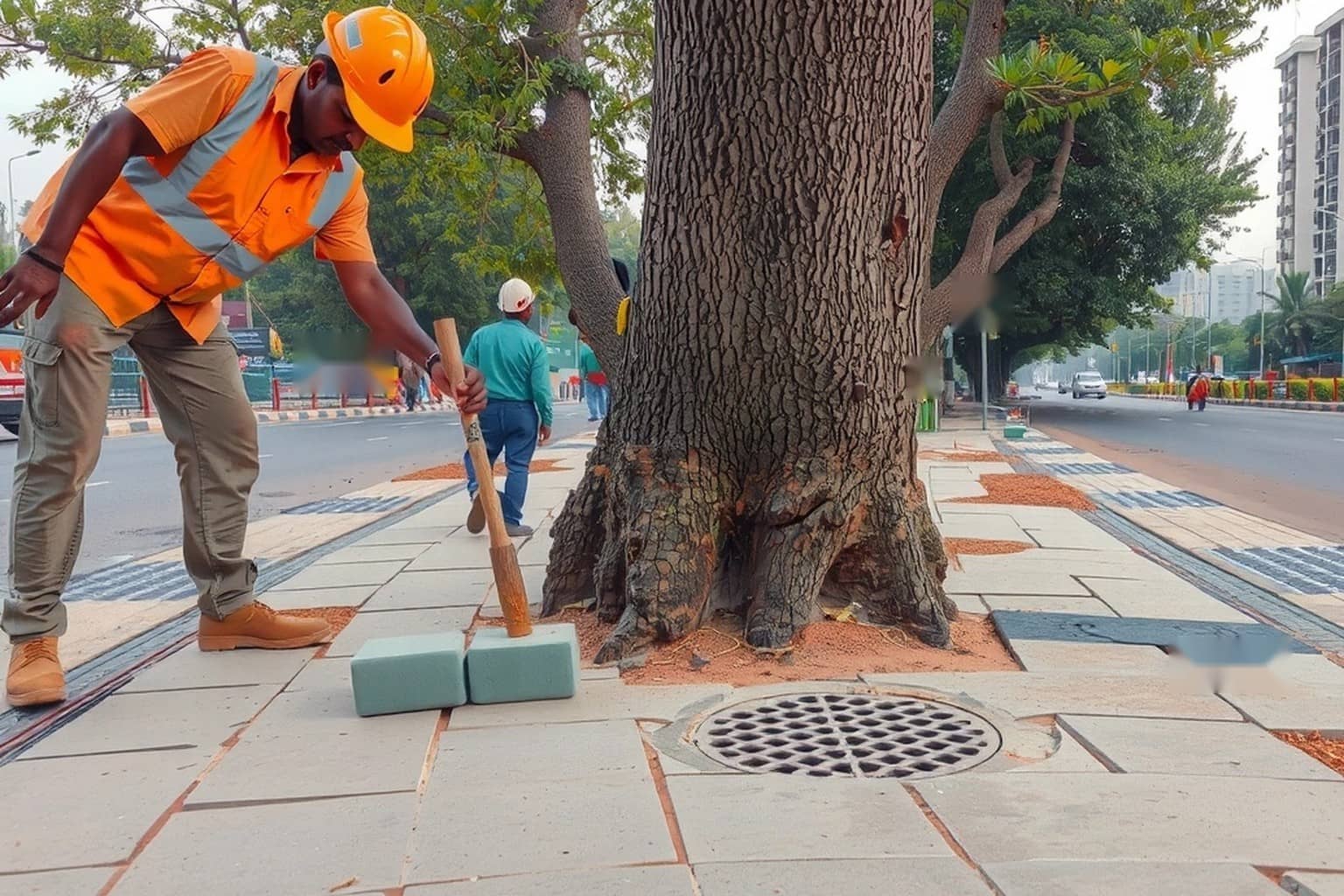

GURUGRAM: All six zones of the Municipal Corporation of Gurugram (MCG) will get extra sanitation staff, tractor-trolleys and earthmovers, and the city will get a door-to-door pickup service for up to 500 tonnes of construction debris a day, after the civic body's Finance and Contracts Committee (F&CC) cleared nine works worth Rs 47.26 crore on Tuesday.
The decisions came at the committee's 10th meeting, chaired by Mayor Rajrani Malhotra. MCG listed the main approvals in an update on its official X account the same afternoon.
The F&CC is the panel through which the corporation's large tenders and rate contracts must pass, so Tuesday's nod is what lets these works move to the next stage. The mayor chairs it, with the two deputy mayors, elected councillor members and the commissioner at the table.
Senior Deputy Mayor Dharmbir Bhangrola, Deputy Mayor Anup Singh, committee members Sunder Singh and Ashish Gupta, Commissioner Pradeep Dahiya and Municipal Secretary Dr Siddharth Khandelwal attended, along with engineering officers.
Where the Rs 47.26 crore goes
The biggest share is for people and machines on the ground. MCG has approved Rs 455.89 lakh for each zone to bring in additional manpower along with tractor-trolleys and earthmovers. Across the six zones, that comes to about Rs 27.35 crore.
Rs 4.34 crore is for door-to-door collection of construction and demolition (C&D) waste, with capacity of up to 500 tonnes a day. The corporation says the idea is an organised system for lifting debris so that it stops turning up on roadsides, vacant plots and public land.
Another Rs 9.92 crore will go into four civil infrastructure sheds for processing the city's daily waste. The committee also approved Rs 5.64 crore to run and maintain mechanical road-sweeping machines for six months. Taken together, these heads come to roughly Rs 47.25 crore, almost the entire sanction.
Malhotra said a clean and well-organised Gurugram was the corporation's priority, and that extra staff and machines in every zone would strengthen sanitation services. Dahiya said the works would give the zones additional resources, and that proper use of the sweeping machines would keep the main roads cleaner.
The sanction lands in a week when MCG has also pushed its senior officers onto the street. On Monday, Dahiya ordered all additional and joint commissioners to spend 10 am to noon in the field every day, checking garbage vulnerable points and whether cleared spots stay clean.
The approvals come six days after the MCG House sitting of 1 October. That meeting elected Ward 27 councillor Ashish Gupta to the F&CC and cleared a plan to give every ward 50 sanitation workers and three tractor-trolleys, or about 1,800 workers and 108 trolleys across the city. Tuesday's money has been sanctioned zone by zone, not ward by ward.
The debris service ties in with two changes made in September. MCG cut the C&D disposal fee for small generators to Rs 50 a tonne from Rs 360, and then linked occupation certificates to proof of debris deposit at an authorised site such as the Basai plant.
Small generators could already ask for pickup through the civic system at the lower rate. The new project is meant to give that service the capacity to handle up to 500 tonnes on any given day. MCG has not said whether the Rs 50 rate will carry over to the expanded service.
For scale, MCG officials said last month that more than seven lakh tonnes of debris reached the Basai plant during 2025. That is close to 1,900 tonnes a day on average, so the new pickup capacity would cover roughly a quarter of what the city already sends there.
What MCG has not yet said is when the extra crews and machines will start work in each zone, where the four processing sheds will come up, or how residents will book the bigger debris pickup. Until those details are out, the existing route stays the same: book through the MCG C&D system or take the debris to Basai.