Manduadih police summoned an alleged practitioner and forced the overnight removal of posters that had been pasted on the station compound wall advertising guaranteed, surgery-free cures for piles, fistula, private ailments and related conditions.
Station House Officer Digambar Upadhyay said a complainant who came to meet him pointed out the posters stuck directly outside the station office. The material named a Chandsi Ayurvedic Dawakhana address in the Bhojubeer-Sarsauli belt and carried a mobile number for appointments. Officers described the wording and imagery as indecent and said similar sheets had been pasted across the Manduadih circle on school walls, house walls and poles without permission.
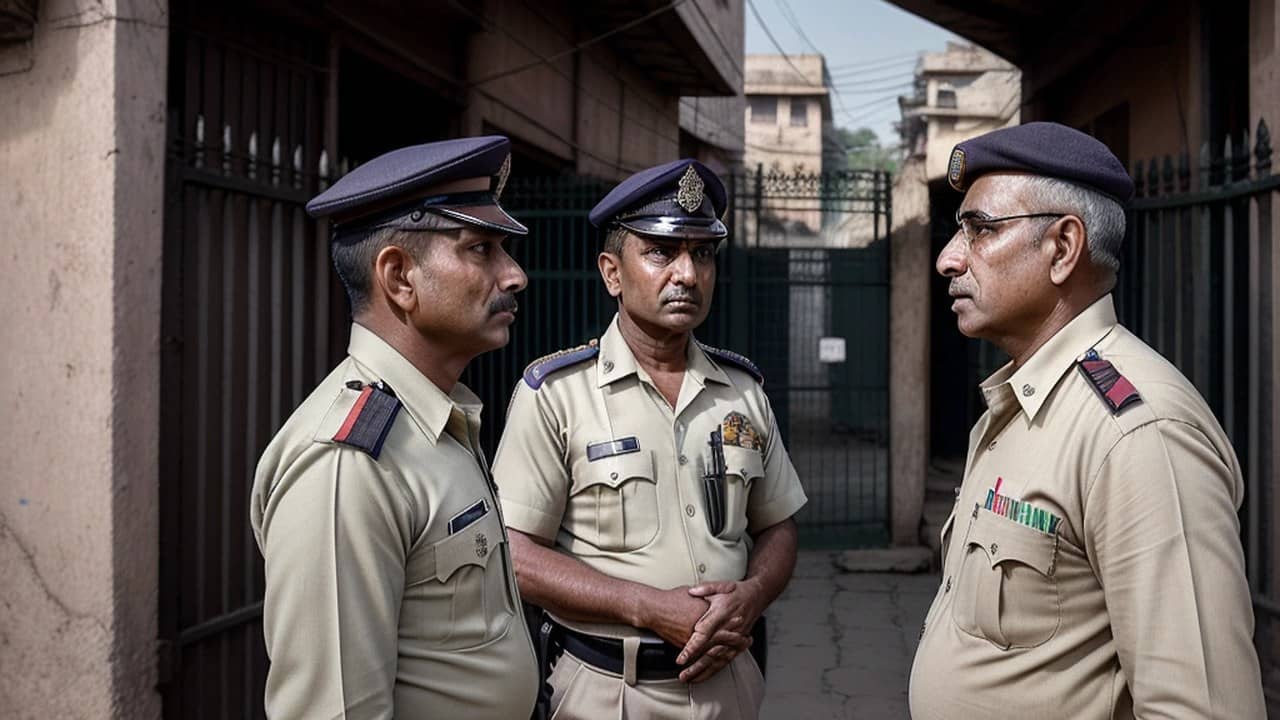
The SHO called the person behind the posters, reprimanded him and ordered the station wall cleared the same Thursday night. Police said the man's claimed degree and clinic will be verified. Upadhyay framed the crackdown as part of a wider problem: unlicensed or loosely credentialled healers using police-station visibility and public walls to pull patients, then charging them at private chambers.
Banaras streets are dense with handbills for everything from tutoring to tonics, but parking that trade on a thana wall crossed a line for Manduadih. The station's objection is both aesthetic and legal: indecent public advertising, possible medical fraud, and the optics of a police building used as free billboard space. Whether the inquiry yields a formal case under advertising, medical or public-nuisance provisions will depend on what the degree and clinic checks show.
Residents who saw the posters said the language was designed to startle and attract. That is exactly why police want them gone from school approaches and station fronts. For now the verified public facts are the Thursday pasting on the Manduadih station wall, the SHO's summons, the same-night removal, the Bhojubeer-Sarsauli dawakhana address printed on the sheets, and the promised probe into credentials. Indecent medical advertising near schools has drawn complaints in other Varanasi circles before; Manduadih's twist was the thana wall itself. Using a police building as a billboard invited exactly the response Upadhyay delivered. Credential checks may lead to a medical-council reference, a fraud case, or only a warning, depending on what documents the man produces. Until then, the public health point stands: guaranteed-cure posters for private ailments are a classic lure, and pasting them on public walls without permission is not harmless marketing. Complainants who first noticed the sheets said they felt awkward reading them while walking into a police station. That discomfort is part of why the SHO acted the same evening instead of waiting for a written application. Public walls in Manduadih, including school approaches, remain under the same instruction: no unauthorised medical posters with indecent wording.