Kashi’s Mahuar Tradition Fades as Nag Panchami Loses Its Old Contestants
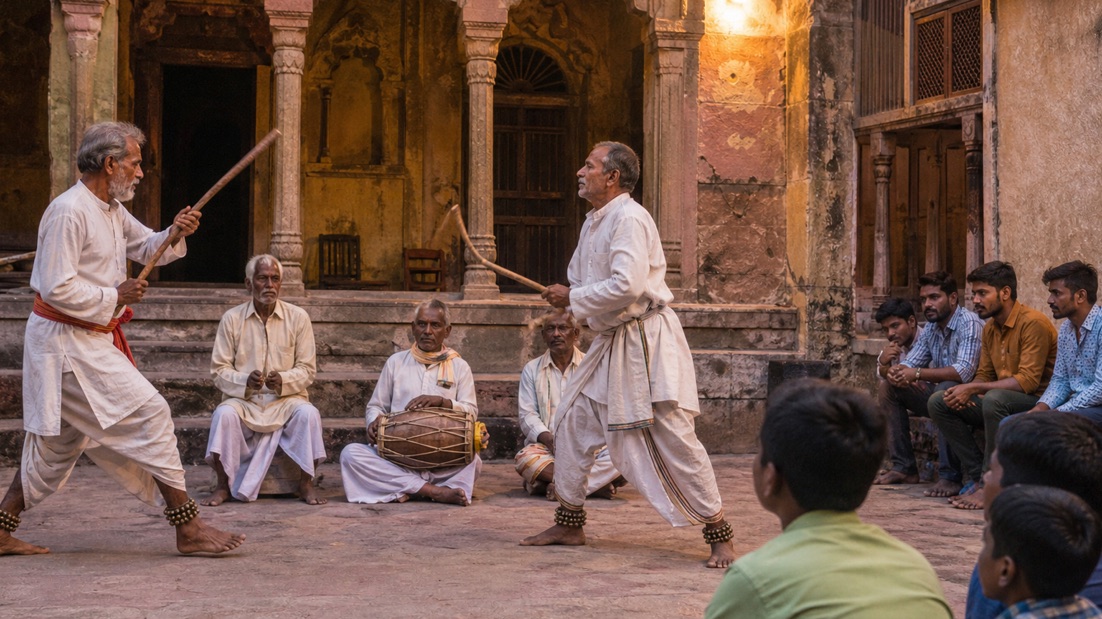
VARANASI: On Nag Panchami mornings in an older Kashi, the sound of the Mahuar could pull a neighbourhood towards an impromptu contest. Performers gathered, local organisers set the terms and onlookers stayed to see which musician could hold the rhythm and the crowd. In 2026, that sound is far harder to find.
The folk practice once had visible centres around the Sanatan Dharma Inter College grounds near Laksa and at Ishwargangi, according to residents and cultural observers quoted in a report published on Monday. The instrument and the contest were tied to Nag Panchami celebrations, when stories of snakes, healers and protective deities shaped the city’s ritual calendar. What remains now is mostly symbolic: a few older practitioners, occasional demonstrations and memories carried by families who watched the competitions decades ago.
The disappearance has not happened in one dramatic moment. Long-time residents point instead to a slow thinning of the network that kept the event alive. Organisers grew older, public space became harder to secure and younger performers found fewer reasons to spend years mastering an instrument with little regular stage or income. Recorded music and large amplified events also changed what audiences expect from a festival gathering.
Mahuar itself occupies an interesting space between performance and belief. Local accounts connect its sound with snake-related folklore and with itinerant communities once called to deal with snakes. Those associations belong to oral tradition; they should not be confused with scientific claims that music controls snakes. Snakes do not respond to melody as humans do, and wildlife should never be handled as part of a public performance.
The cultural question is therefore not about reviving unsafe displays. It is whether Kashi can preserve the musical vocabulary, stories and competitive format without turning living animals into props. A documented recital, an archive of veteran performers, school workshops or a small stage at a recognised cultural festival could keep the human craft visible while respecting wildlife law and modern safety standards.
That work would need to begin with the remaining practitioners. Their memories can identify the old tunes, rules of the contest, neighbourhood rivalries and the people who built the annual gathering. Audio and video recordings, accompanied by careful interviews, would give future musicians something more durable than a nostalgic paragraph.
Varanasi is skilled at presenting its classical inheritance, but its street-level traditions are easier to lose. The Mahuar contest was not a monument that could be repaired after neglect; it depended on people meeting, playing and teaching. Nag Panchami has returned, yet one of its old local sounds is now barely audible. Whether it survives will depend on making space for the craft before its last custodians are gone.
Sources and reporting
Based on an August 17, 2026 Jagran report documenting the decline of Mahuar contests formerly held around Laksa and Ishwargangi. Historical and religious associations are presented as local tradition.
Related Stories

Five Held in Mughalsarai Cyber Fraud Aimed at Japanese Victims
FIR Against Cab Driver After Sector 69 Toddler Hurt
Railways Clears Banaras–Prayagraj Rambagh MEMU Pair
Haryana Clears Phase 2 Metro Civil Works Package
MLC Forms Reach 30 Over Two Days; Still No Papers Filed