The IPL slow over rate penalty can affect both a team's field placements during the innings and its players' finances afterwards. Under the published 2026 rules, the captain's fine starts at Rs 12 lakh for a team's first offence in a season, rises to Rs 24 lakh for the second and reaches Rs 30 lakh for the third and each subsequent offence. Other players also face fines from the second offence.
The separate fielding restriction matters immediately: when the innings deadline is missed in the circumstances covered by the playing conditions, only four fielders may be stationed outside the restriction area from the next over. Paying a fine does not replace that restriction. The league's rules expressly allow both consequences to apply.
| Team offence in the season | Captain's fine | Other playing XI members |
|---|---|---|
| First | Rs 12 lakh | No separate player fine specified in this schedule |
| Second | Rs 24 lakh | Rs 6 lakh or 25% of match fee, whichever is lower |
| Third and subsequent | Rs 30 lakh | Rs 12 lakh or 50% of match fee, whichever is lower |
What is a slow over rate in the IPL?
The official IPL playing conditions prescribe a minimum rate of 14.11 overs an hour, excluding the time taken by timeouts. In an uninterrupted innings, the twentieth over should finish within 90 minutes: 85 minutes of playing time and five minutes of timeouts. An innings lasting longer on a television clock does not, on its own, establish an offence.
Umpires make allowances for qualifying delays. Appendix 2 of the 2026 Code of Conduct for Players and Team Officials includes medical treatment on the field, a player leaving after a serious injury, television umpire referrals and consultations, batting side time wasting, and circumstances beyond the fielding team's control.
The calculation also allows one minute for each of the sixth, seventh, eighth and ninth wickets taken during the innings. When an innings is shortened by an interruption, the code provides another minute for every full three overs removed. These adjustments explain why two innings of similar visible duration can produce different disciplinary outcomes.
Who pays the fine if the IPL captain changes?
The offence count belongs to the team within that season. Changing the person who leads a match does not turn the team's second offence into a first offence. Appendix 2 directs the match referee to check the team's previous breaches before applying the mandatory sanction.
The code also distinguishes the designated captain from the captain of a particular match. For a first or second offence, the designated captain pays the relevant fine if included in the playing XII, defined here as the playing XI and Impact Player. If the designated captain is outside that group, the captain for that match is fined instead.
For a third or subsequent offence, the designated captain is fined Rs 30 lakh even when outside the playing XII. This is a consequential detail for anyone assuming that leaving the captain out automatically transfers every later penalty to a stand in. The precise liability follows the code's designated captain provisions.
For other playing XI members, the percentage and rupee figures are alternatives. On a second offence, the rule requires the lower of Rs 6 lakh and 25% of the player's match fee, rather than adding the two. The third offence calculation similarly compares Rs 12 lakh with 50% of the match fee. The applicable captain is excluded as described in the code.
When does the four fielder penalty start?
Clause 13.8 requires the fielding side to be ready to bowl the final ball by the scheduled or rescheduled innings end time. When that requirement is missed, the restriction starts with the next over after the deadline is reached and remains for the rest of the innings. The bowler's end umpire must communicate the deadline and subsequent adjustments.
There is an important final over exception. If the innings deadline arrives after the last over has already started, the four fielder restriction does not apply, although financial penalties may still follow. The restriction also does not apply when an innings is reduced below ten overs, unless the penalty had already been imposed before that reduction.
How is a slow over rate offence confirmed?
Only the umpires who officiated can report this offence, and Appendix 2 sets an 18 hour deadline after the match. The match referee then consults them and can adjust the calculation to reflect circumstances beyond the fielding team's control. A charge follows when the referee confirms that the required rate was missed.
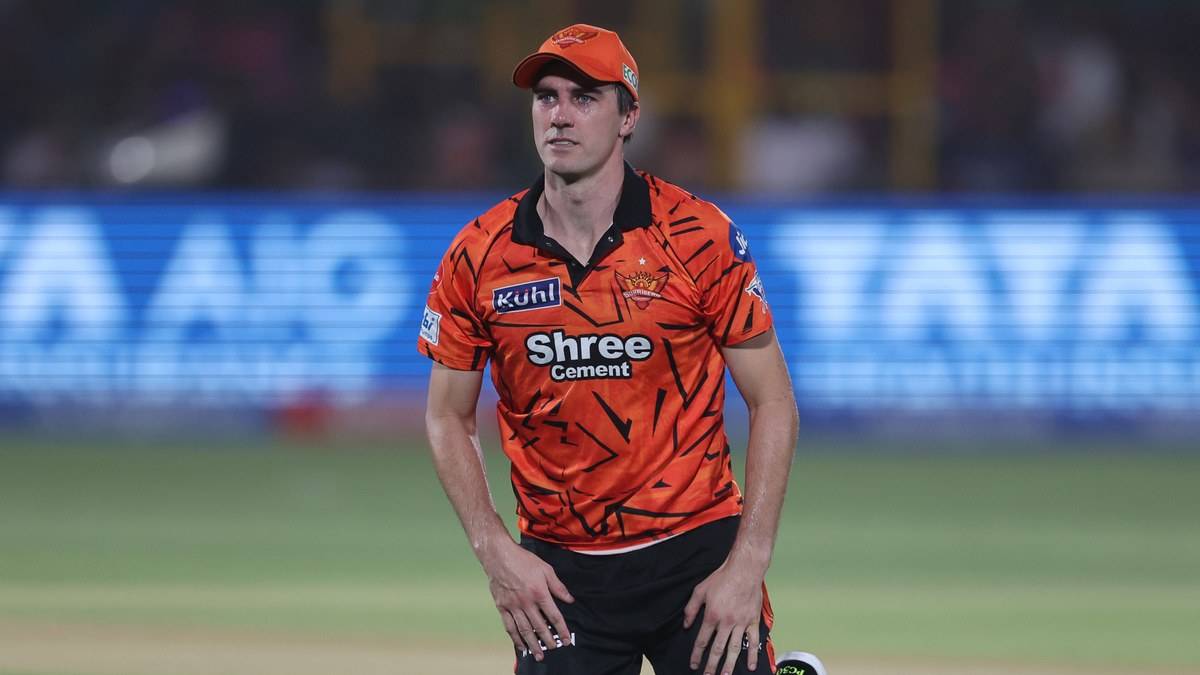
A concrete example is the IPL's 13 May 2026 advisory: Pat Cummins received a Rs 12 lakh fine after Sunrisers Hyderabad's first over rate offence of the season against Gujarat Titans. For other league rules, see our explanations of Retired hurt vs retired out: when a cricket batter can return, IPL Impact Player rule: 2027 status, substitutes and overseas limit, and IPL auction rules: retention, RTM and the salary cap explained. This guide describes the published 2026 provisions.