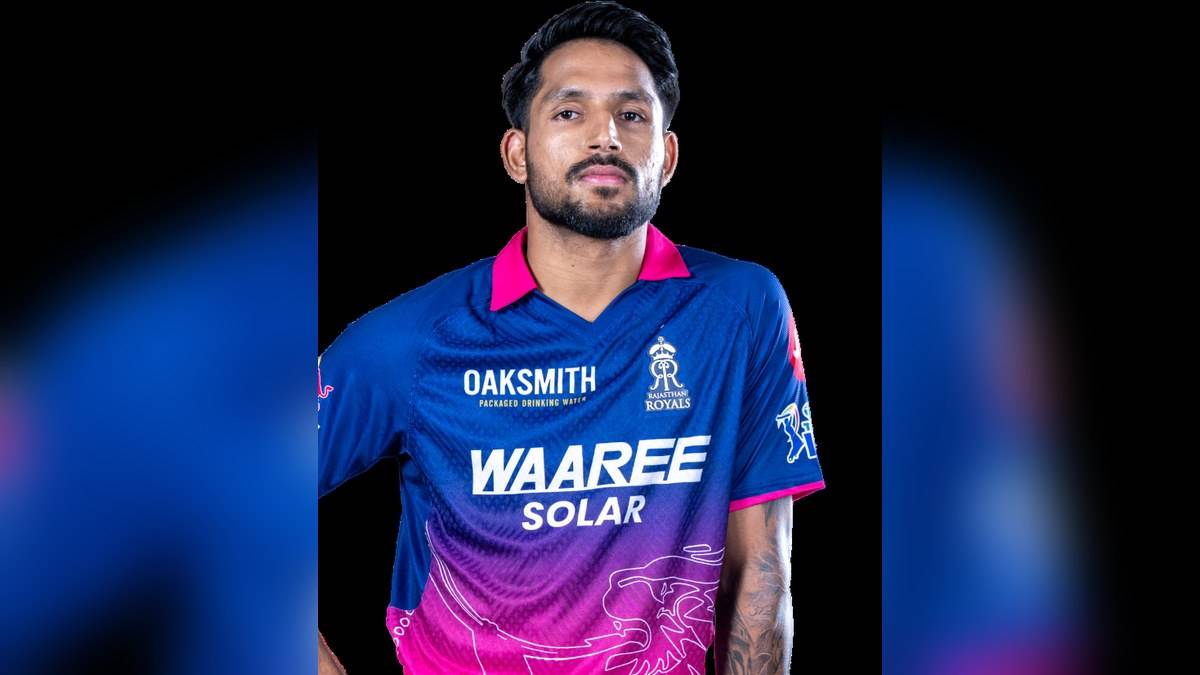

Hardik Pandya will move to Punjab Kings and Arshdeep Singh to Mumbai Indians ahead of IPL 2027, according to the league's official announcement dated 11 November. The exchange is the latest of four trade announcements reviewed for this update, alongside moves involving Chennai Super Kings, Sunrisers Hyderabad, Delhi Capitals and Lucknow Super Giants.
The confirmed transfers include changes in player fees as well as changes in teams. They should not be read as complete retained-player lists or as the final squads for next season. Each announcement identifies particular players and the terms of their moves, rather than settling every remaining place in a franchise's squad.
Hardik and Arshdeep switch teams
The IPL advisory puts Hardik's fee at ₹18 crore for his move to Punjab, compared with his existing ₹16.35 crore. Arshdeep will join Mumbai at his existing fee of ₹18 crore. The move ends Hardik's second stint with Mumbai, where he returned in 2024 after playing for Gujarat Titans.
For Arshdeep, the move follows eight seasons with Punjab, the team for which he made his IPL debut in 2019. The league's announcement credits him with 111 wickets in 96 appearances for the franchise. Those numbers describe his Punjab record at the time of the announcement, not a prediction of his performance for Mumbai.
Four players in the Chennai and Hyderabad agreement
A separate advisory dated 5 November confirmed that Liam Livingstone and Jack Edwards will join Chennai Super Kings. Khaleel Ahmed and Nathan Ellis move in the other direction to Sunrisers Hyderabad. The announcement covers four players across the two teams, rather than an auction purchase by either franchise.
Livingstone's fee has been reduced to ₹6 crore from the ₹13 crore at which Hyderabad acquired him. Edwards moves at his existing ₹3 crore fee. On the Hyderabad side of the agreement, Khaleel joins at ₹4.8 crore and Ellis at ₹2 crore, both unchanged from their existing fees.
Edwards had been unable to play in IPL 2026 because of a foot injury, according to the release. Khaleel's move is a return to Hyderabad, where he previously played from 2018 to 2021. The terms therefore combine new arrivals with a player returning to a former franchise.
Earlier moves involving Delhi and Lucknow
Hyderabad's changes also include T. Natarajan's return from Delhi Capitals, announced on 14 October. Zeeshan Ansari moves to Delhi in that agreement. The official release says Natarajan joins Hyderabad at a revised ₹5 crore fee, while Ansari's ₹40 lakh fee remains unchanged.
Natarajan had represented Hyderabad from 2020 to 2024 before Delhi acquired him for ₹10.75 crore at the 2025 auction. The league identifies 2024 as his most successful IPL season, with 19 wickets. Ansari's record in the release is six wickets in ten IPL appearances, including three wickets on debut against Delhi.
The earliest of the four announcements reviewed was issued on 23 June. It confirmed Rishabh Pant's return to Delhi from Lucknow and Kuldeep Yadav's move to Lucknow. That agreement gives Pant a revised fee of ₹15 crore, compared with the ₹27 crore Lucknow paid at the 2025 auction. Kuldeep moves at his existing ₹13.50 crore fee.
Pant had previously spent nine seasons with Delhi, from 2016 to 2024, and made 111 appearances for the franchise. Kuldeep's Delhi spell began in 2022; the release records 72 wickets in 65 matches for him there. These June and October moves are included as existing confirmed transfers, not as announcements made today.
Salary cap is not the same as auction purse
The league's 2025-27 regulations specify a total salary cap of ₹157 crore for 2027. That figure includes the auction purse, incremental performance pay and match fees. It should therefore not be described as ₹157 crore available for every team to spend at the auction. The same announcement provides for a ₹7.5 lakh match fee for each playing member, including the Impact Player, in addition to the player's contracted amount.
The regulations also continue the Impact Player provision through the 2027 season. For readers comparing these transfers, the useful distinction is between the specific league fee stated for an individual player and the broader salary-cap framework. Neither an unchanged fee nor a revised fee, on its own, establishes a team's final available auction balance.
For the wider framework, read our IPL auction rules guide. Our Impact Player explainer covers the separate on-field substitution rule.