
RTI Flags Faculty Representation Gaps at IIT Kanpur and IIT-BHU
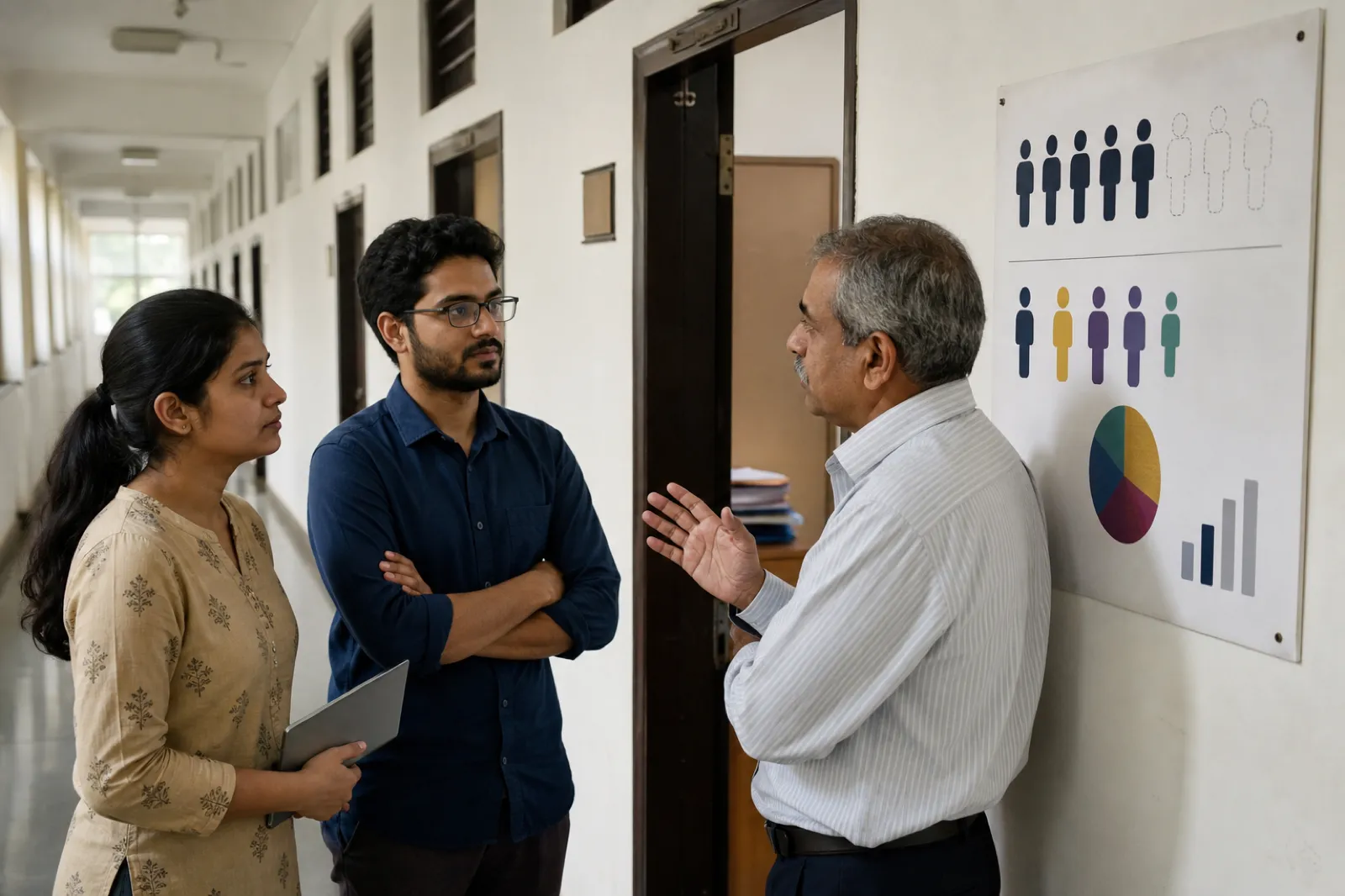
Right to Information replies from IIT Kanpur and IIT-BHU have put fresh numbers on two persistent problems in elite engineering institutions: hundreds of unfilled faculty positions and limited representation of Scheduled Caste, Scheduled Tribe and Other Backward Class communities, particularly in senior academic ranks.
The replies, obtained through separate applications filed in January, list 76 SC, ST and OBC faculty members among 581 working teachers at IIT Kanpur, or 13.1 per cent. IIT-BHU reported 82 among 374, or 21.9 per cent. The data was first reported publicly on August 14.
At IIT Kanpur, the reply listed 25 SC, five ST and 46 OBC faculty members. Among 257 professors, it recorded no SC or ST member and three OBC professors. The numbers were higher at the entry rank: 17 SC, four ST and 36 OBC teachers among 193 assistant professors.
IIT-BHU reported 30 SC, five ST and 47 OBC faculty members. Its 129 professors included 11 SC, one ST and two OBC members; the institution also listed two professors under the persons-with-disabilities category. Among 157 assistant professors, 15 were SC, four ST and 38 OBC.
The replies also show substantial overall vacancies. IIT Kanpur had 957 sanctioned positions and 581 working faculty, leaving 376 unfilled. IIT-BHU had 608 sanctioned positions and 374 filled, a gap of 234. A vacancy does not automatically belong to a particular category, and IIT-BHU said its flexi-cadre model meant category-wise sanctioned and vacant posts could not be calculated in the usual way.
IIT Kanpur Director Manindra Agrawal described the information as imprecise and said the institute would provide detailed facts. IIT-BHU confirmed the figures while indicating that a fuller response would follow. Those responses matter: RTI tables can show headcounts but may not capture recruitment cycles, promotions, resignations, exemptions or how flexi-cadre appointments are rostered.
Even with that caveat, the sharp difference between assistant-professor and professor ranks demands explanation. Senior representation changes slowly because promotion takes years, but it also reflects who entered the pipeline, who remained and whether evaluation and workplace conditions supported progression. Recruitment drives alone cannot solve attrition or stalled promotion.
The institutions should publish a dated, reconciled faculty dashboard showing sanctioned, filled and vacant posts; current category representation; recruitment advertisements; offers made; joining; and departures. Where the flexi-cadre system changes the denominator, the methodology should be explained in plain language rather than used to make comparison impossible.
Reserved recruitment is a legal compliance issue, but it is also academic. A broader faculty body can strengthen mentoring, research questions and the sense that students from different backgrounds belong in advanced study. No individual scholar’s merit can be inferred from a category total; the purpose of aggregate data is to test whether institutional opportunity is functioning fairly.
The newly reported replies are a starting point, not the final audit. IIT Kanpur’s promised correction and IIT-BHU’s detailed explanation should be published alongside the original figures. Transparency will allow the debate to move from competing claims to a measurable plan for appointments, retention and senior progression.
Sources and reporting
Based on two RTI replies filed in January 2026, category-wise figures first reported on 14 August, and initial responses from IIT Kanpur and IIT-BHU.
Related Stories

Two Held for Alleged Bid to Run Over Men
Retired HSVP Officer Surrenders in SCO Plot Case
Cops Warn Weekend Bikers After Recent Crashes
HT Pole Still Blocks Road Between Sectors 102, 102A

HSVP Plans Single City Office in Sector 16