IIT-BHU to Hold Week-Long Academic Writing Programme From August 10
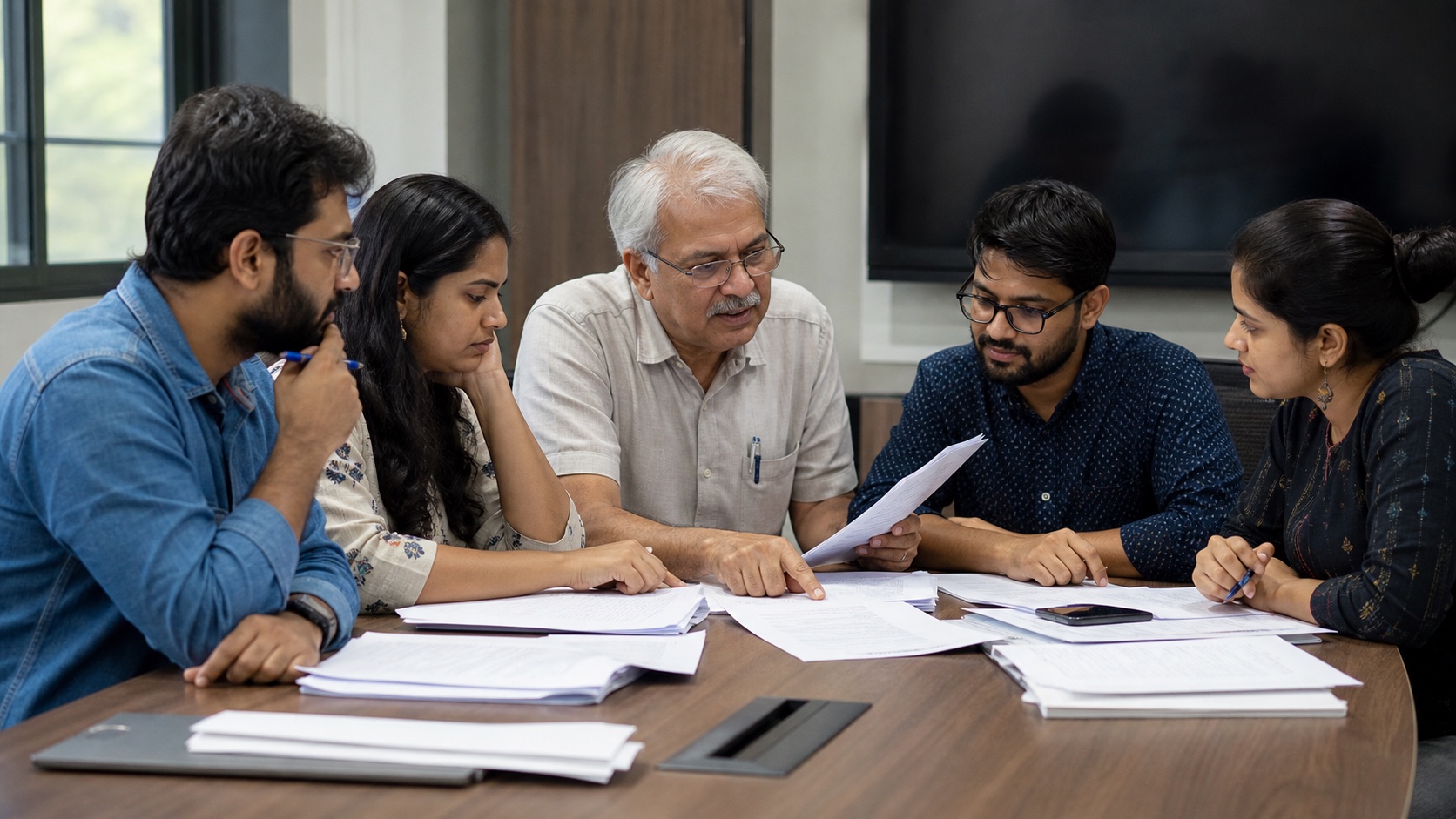
IIT-BHU’s Centre for Faculty Development and Educational Technology is scheduled to conduct a short-term programme on academic writing for research scholars from August 10 to 17. The event appears on the institute’s current official calendar, placing it at a useful point in the semester for doctoral students preparing papers, theses, proposals and conference submissions.
Academic writing is frequently treated as a final polish applied after the research is complete. In practice, it shapes the research itself. A clear question forces a scholar to define scope; a transparent method allows another researcher to assess the work; and a disciplined discussion separates what the evidence shows from what the author hopes it means. Those habits are especially important in interdisciplinary engineering and science.
A serious programme can also address the less visible mechanics of scholarly communication: organising a literature review, choosing a journal responsibly, citing sources accurately, responding to peer review and revising without losing the central argument. Research scholars increasingly face predatory journals and paid promises of instant publication, making publication ethics and journal evaluation essential parts of training.
The timing is notable because generative writing tools are now common across campuses. The useful question is not whether software exists, but how researchers preserve authorship, confidentiality and factual control when using it. Unpublished data, peer-review material and sensitive participant information cannot be casually placed into external systems. Any tool-assisted language editing must remain subordinate to the scholar’s own analysis and the disclosure rules of the target journal.
IIT-BHU has not placed every session detail in the brief public event listing, so prospective participants should verify eligibility, registration and the final timetable directly with the centre. That caveat matters: an events-page announcement confirms the programme and dates, but not assumptions about speakers, fees, certificates or the number of seats.
For Varanasi’s research community, better writing is not merely about producing smoother English. It improves reproducibility, reduces avoidable misunderstanding and helps locally generated work travel beyond a department. The strongest outcome from the week would be a set of practical revision habits that scholars continue using long after the certificate—questioning every claim, showing the evidence and writing with a real reader in mind.
The programme is particularly relevant for first-generation researchers who may understand their subject deeply but have had little formal guidance in presenting it to an international journal. Editing support should never flatten individual voice or local knowledge. Good academic instruction helps a scholar make a precise argument in their own terms, with the source trail visible and every borrowed idea properly credited.
Sources and reporting
Based on IIT-BHU’s official events listing current on August 8, 2026. Participants should consult the institute for the final timetable and eligibility.
Related Stories

Festive Special to Gorakhpur Gets Gurugram Halt
Fifth Accused Held in Rs 25 Lakh Sector 47 Robbery

Courier Staffer Booked Over 105 Missing One8 Returns

HC Sets Rs 50 Lakh Costs for Accused's Return to India

Gurugram Swimmer, 20, Crosses English Channel