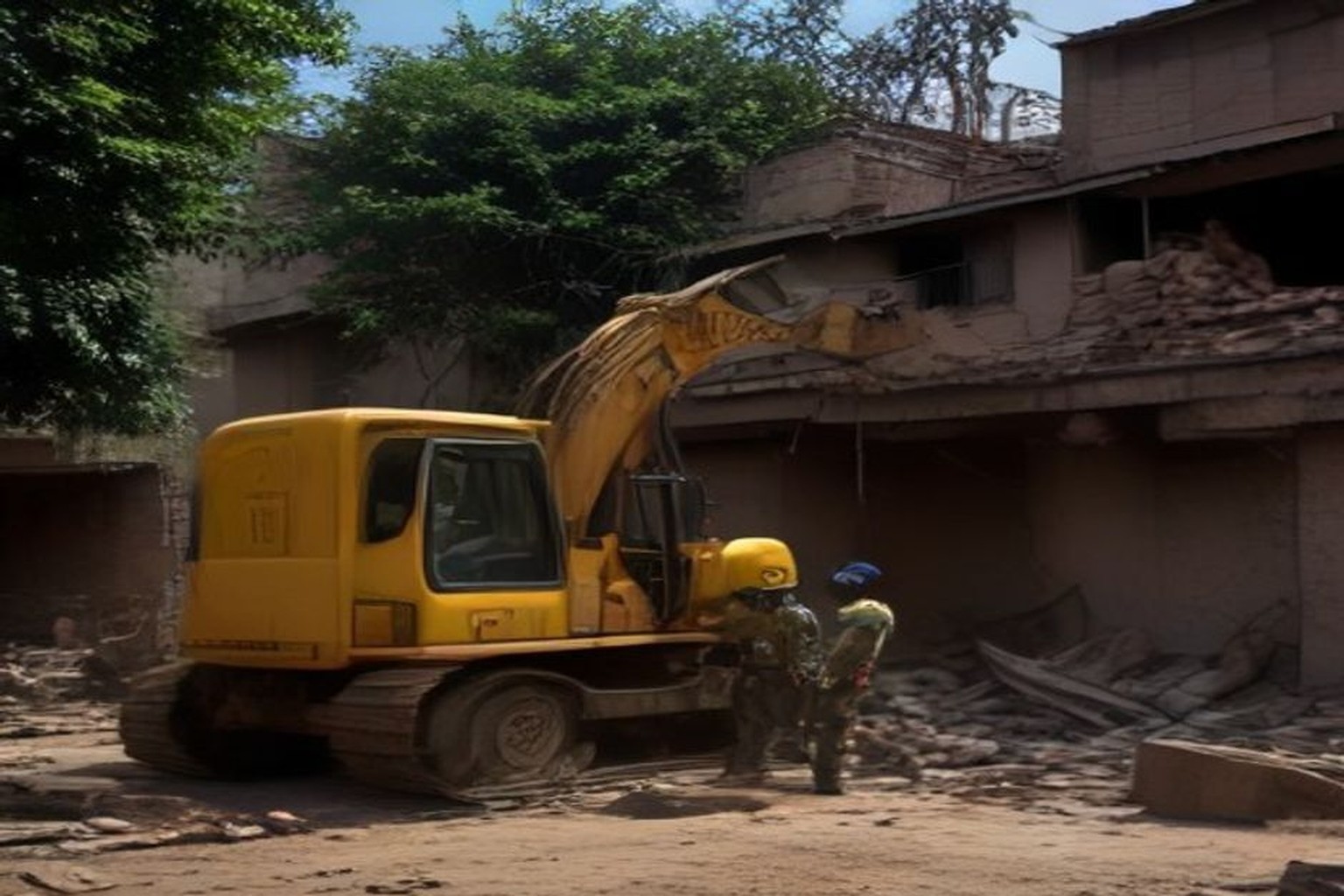
High Court Seeks Fixed Deadline for Clearing Gurugram Civic Debris
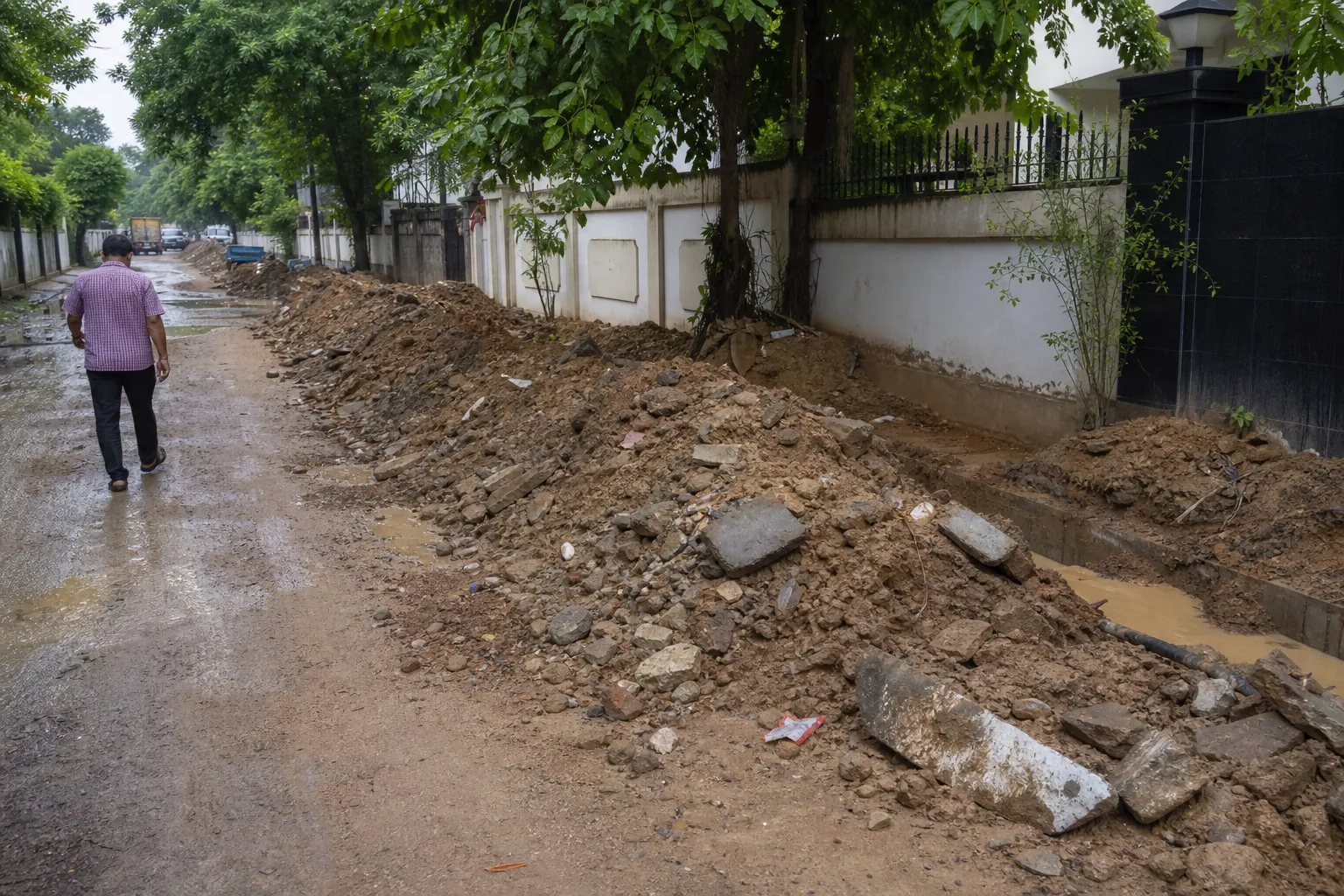
GURUGRAM: The Punjab and Haryana High Court has asked the state urban local bodies department and the Municipal Corporation of Gurugram to propose a standard operating procedure with fixed deadlines for removing mud, excavated soil and debris left after public works. The direction addresses a routine city failure that turns repaired pipelines and sewers into weeks of dust, slush and narrowed roads.
The order followed a petition by Sector 22 resident and lawyer Pankaj Yadav. He told the court that a road outside his house was left covered with material after MCG began laying a water pipeline on 17 June. According to the petition, repeated requests did not lead to timely clearance, and heavy rain on 21 July turned the excavated stretch into a slippery mess.
The immediate debris was removed after the court was approached, but the petitioner's counsel pressed the larger point: residents should not have to file a case every time an agency leaves a road unfinished. Justice Pankaj Jain described that request as fair and, in the 13 August order, directed authorities to suggest an SOP specifying how quickly accumulated material must be removed after municipal or state work.
A timeline can close an accountability gap that currently begins when the engineering job is technically complete. Contractors may finish a pipe connection or sewer repair while restoration and spoil removal remain nobody's urgent task. Meanwhile, pedestrians are pushed into traffic, two-wheelers negotiate loose soil and rain carries silt towards drains that the project may have been intended to improve.
The issue also intersects with Gurugram's larger construction-and-demolition waste problem. The city is estimated to generate about 1,500 tonnes of such waste every day. The Basai processing facility handles around 1,200 tonnes, leaving a daily gap of roughly 300 tonnes that requires authorised disposal or alternative processing. Road edges and vacant plots often become the easiest illegal destination.
Known dumping pockets include stretches near the Gurugram-Faridabad Road, Sector 29, Golf Course Road Extension and the Southern Peripheral Road. Debris is not merely unsightly. It adds to coarse dust, reduces usable road width, damages tyres, blocks drain inlets and can intensify waterlogging when rain moves loose material downstream.
A workable SOP will need more than a single citywide number of hours. Emergency repairs, major pipeline projects and routine trenching have different restoration requirements. The policy should identify who signs off the site, where the material must be taken, how a resident can report a breach and what penalty applies when a contractor misses the deadline. Photographs before excavation and after restoration would create a simple audit trail.
MCG has sought time to frame its response, and the matter is listed for 31 August. The court has not written the final procedure itself. That responsibility remains with the departments that dig Gurugram's streets. Their proposal will show whether the city gets an enforceable cleanup system or another instruction that residents must chase lane by lane.
Sources and reporting
Based on the High Court order dated 13 August and municipal waste data available on 16 August 2026.
Related Stories

Biker Dies After Thar Hit on Golf Course Road

Court Orders Probe Into Body Handling Lapses
Two Held After Rs 54,000 Robbery Near Rampura
DTCP Notices 30+ Buildings Over PGs in SL-3

Thar Driver Held After Dwarka Expressway Crash