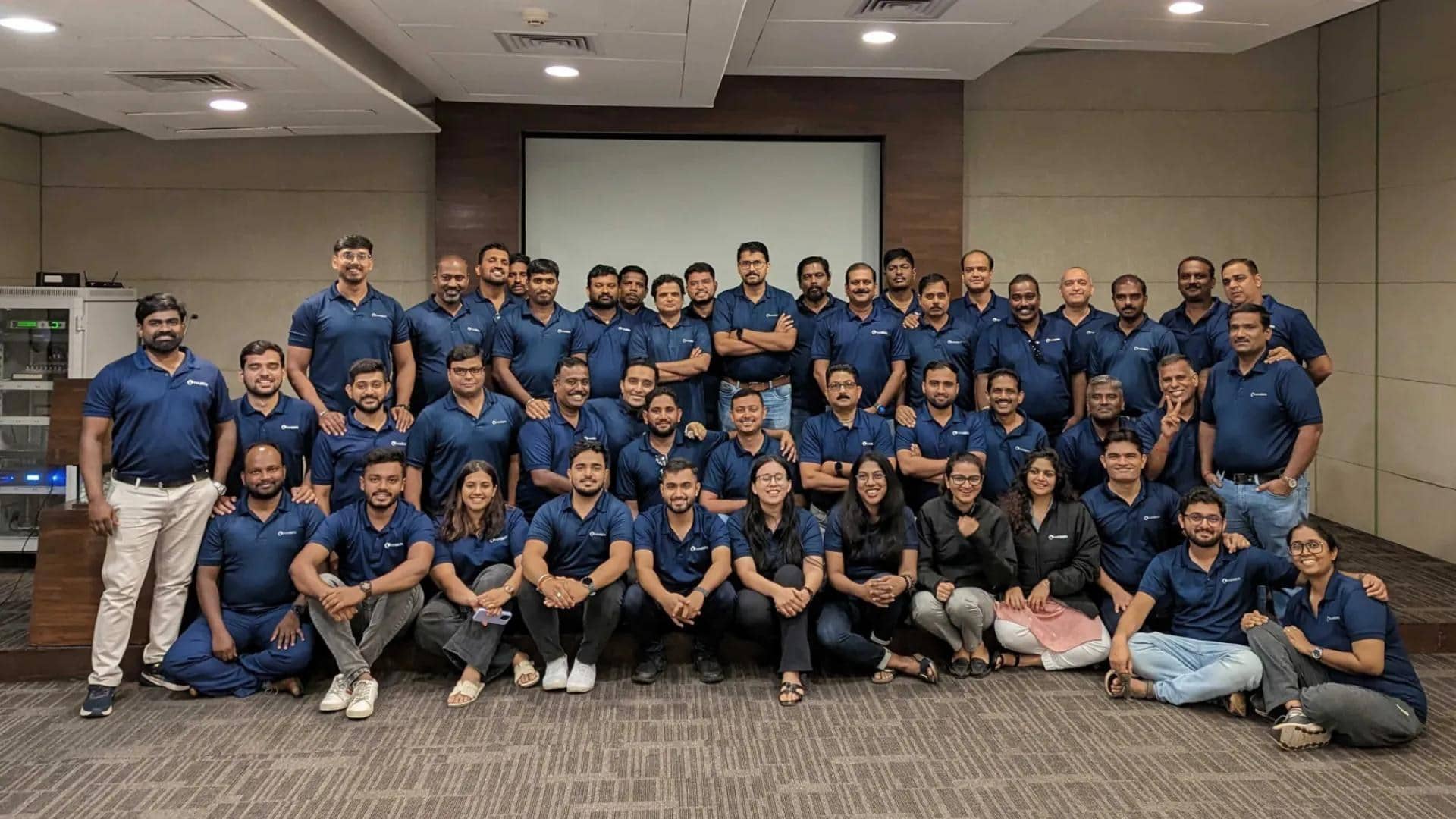
PUNE: A paper mill runs day and night, and small swings in pulp quality, chemical dosing, water temperature or machine speed can ruin a batch long before an operator spots the problem. Haber, a Pune company founded in 2017, sells software and sensors that try to catch those swings as they happen and correct them automatically.
Haber has grown well beyond its first product. Its website now lists five platforms, offices in the United States and Canada, a team of more than 200 people and over 200 deployments. Here is what it actually sells, who uses it, and which claims come from the company.
Where Haber started
According to the timeline on its about page, Haber launched its first product, eLIXA, in 2017, the year it was founded. It raised a Series A in 2019, expanded into the Middle East in 2020, and closed a US$20 million Series B in 2021. In 2024 it raised a US$38 million Series C, which it says was meant to fund international growth. In 2025 it opened a larger Green Chemistry Lab in Pune and launched its US and Canada offices.
The company still uses the web address haberwater.com, a hint of its roots in water and process chemistry. Today it describes itself as an AI-led automation company for manufacturing, with a heavy focus on pulp, paper, packaging and tissue, plus food and beverages, oil and gas, metals and mining, and water management for institutions such as hospitals.
The products, in plain terms
eLIXA is the process intelligence platform. It pulls live readings from Haber's own sensors and automated sampling, combines them with data from a plant's control systems, and makes real-time adjustments. The company says it helps cut excess use of water, chemicals and energy.
Mt. Fuji is the wider layer on top. Haber describes it as a platform that links plant-floor systems such as PLCs and SCADA with business systems like manufacturing execution software, ERP and shift logs, so managers can see yield, quality and equipment performance across sites in one place. It also offers digital twins and predictive alerts, according to the homepage.
Kaiznn handles production planning. In paper and board making, a big reel has to be cut into the widths that customers have ordered, and poor planning leaves expensive offcuts. Kaiznn matches orders to reel widths to reduce that trim loss and improve on-time dispatch.
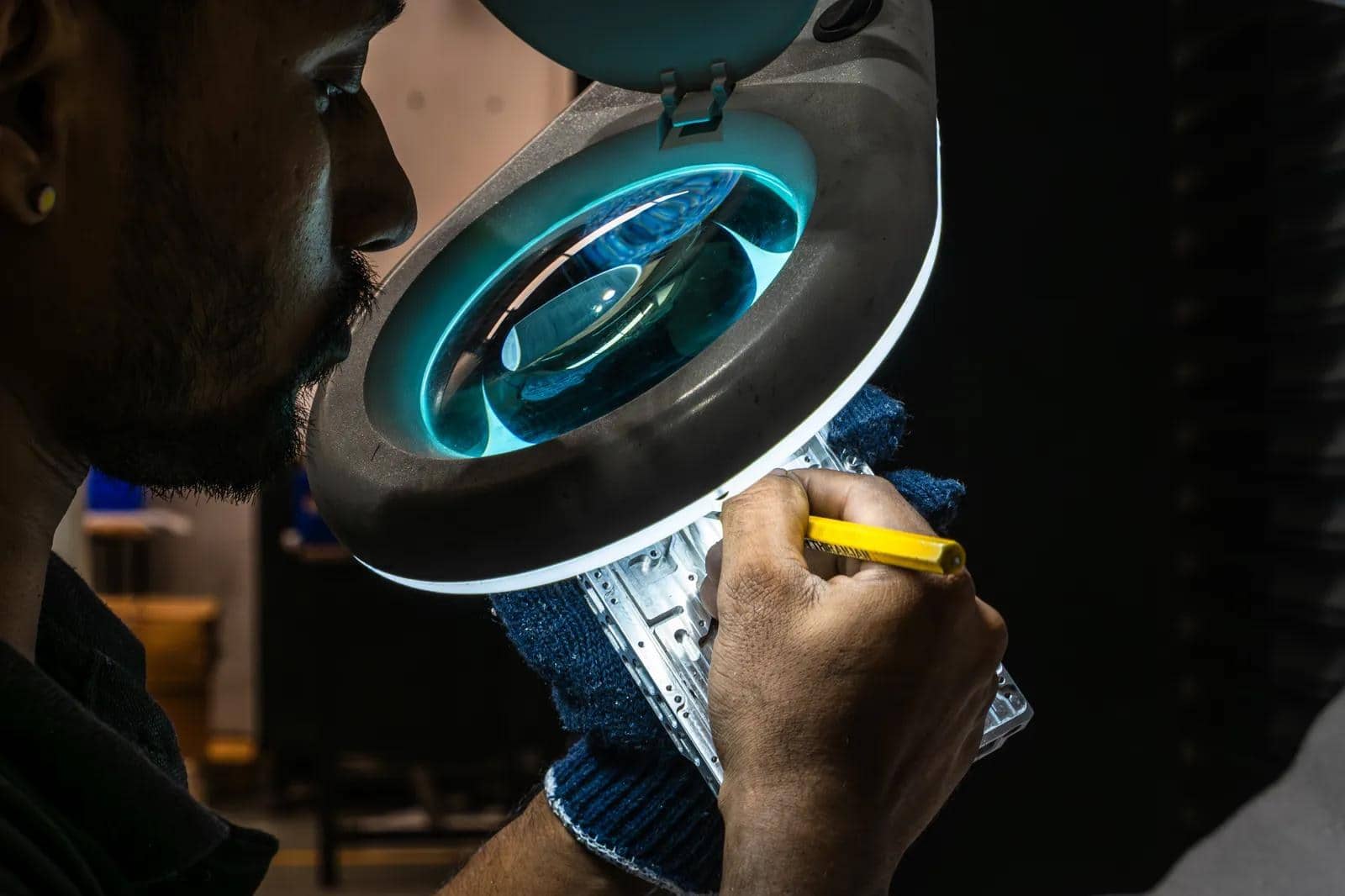
The other two are hardware heavy. Kensei is a camera system that watches the full width of a moving paper web and uses AI to classify defects such as holes, spots, wrinkles, streaks and coating flaws. FiMorph images thousands of pulp fibres to profile their length, width, curl and other traits, which helps mills control refining, the step that shapes how strong the final sheet is.
How a deployment works
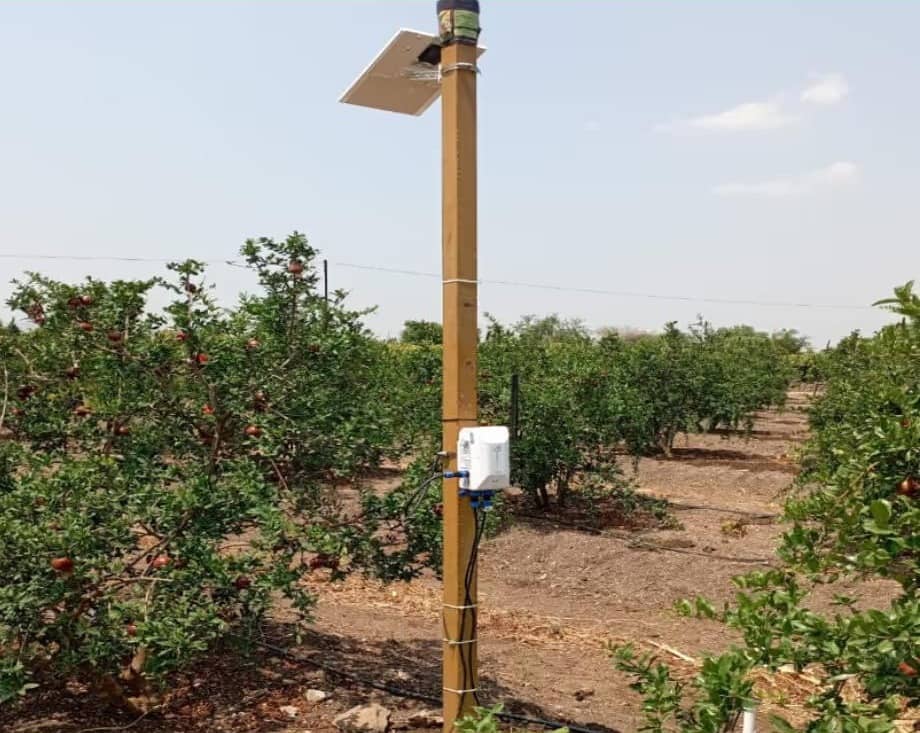
Haber's own explanation on its Why Haber page starts at the sensor. Its in-house analysers and sensors collect real-time readings across the plant, and that data is combined with whatever the plant's existing systems already record. The AI layer then predicts where a process is drifting and, depending on the setup, either recommends a change to operators or makes the adjustment itself in a closed loop.
That last point is what separates this kind of system from a dashboard. A dashboard tells an engineer something went wrong. Closed-loop control changes a chemical dose or a setpoint without waiting for a person, which is why plants usually start with a limited trial before handing over more control.
What customers say, according to Haber
The website carries several customer quotes, all unnamed. One credited to a unit head at what Haber calls one of India's largest tissue makers says its system lifted production by 2% and cut chemical use by 20%. Another, attributed to a pulp mill head at one of the top five pulp makers in the US, says brightness stayed within target and chemical use fell 10%. A UAE kraft paper maker is quoted on lower bacterial counts and fewer unscheduled shutdowns for cleaning.
Because the customers are not named, those figures cannot be checked independently. The product pages also promise deployment in six weeks with no disruption to production, which is the company's own claim. The case studies page covers topics like foam control in pulp washers, scale build-up on vacuum pumps and cooling tower optimisation at a multi-specialty hospital.
Why it matters
Process industries like paper are not glamorous, but they use huge amounts of water, chemicals and power, and margins are thin. Software that trims chemical dosing by even a few percent can matter more to a mill than a new machine. It is also a sector where Indian software companies can sell abroad, since mills in North America and the Middle East face the same problems.
Haber is part of a wider set of Indian firms bringing software and robotics into plants. Dalimss News has covered Ati Robotics and its Sherpa factory robots, and Pune itself is drawing more electronics production, as with Belden's plan to make network switches at its Pune plant.
Haber says it will be at Tissue Summit 2026 in Green Bay, Wisconsin, on 2 and 3 November, a sign of how much of its pitch now targets North American mills. The things to watch are named customer wins in the US and Canada, new results from its Pune chemistry lab, and whether its newer products such as Kensei and FiMorph catch on beyond paper.
The company has not published revenue figures on its site, so its scale is best judged by its funding history and the deployment count it reports.