
Gurugram's First Namo Van Gets 10,000 Saplings
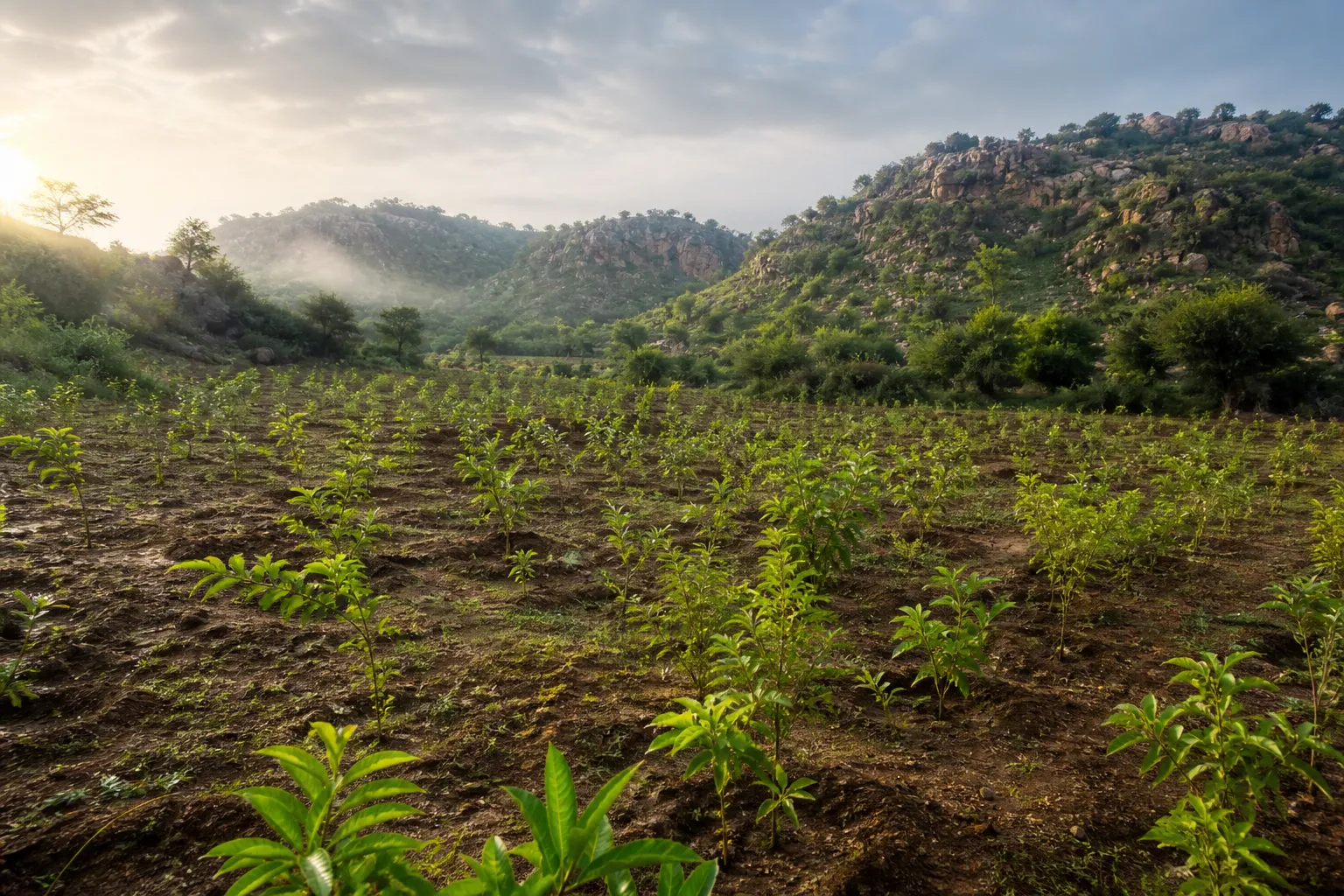
GURUGRAM: The district's first Namo Van has taken shape at Gairatpur Bas, where the Forest Department has planted 10,000 saplings across a one-hectare site in the Aravali landscape. The plantation was inaugurated during the 77th district-level Van Mahotsav held under the Ek Ped Maa Ke Naam campaign.
The department describes Namo Vans as dedicated plantation zones rather than scattered roadside planting. Concentrating saplings in one defined block can make watering, fencing, monitoring and survival audits easier, provided responsibility for long-term care is clearly assigned.
A second one-hectare Namo Van is planned in Manesar, according to Raj Kumar, chief conservator of forests for south Haryana. The announcement expands the programme, but the success of both sites will depend less on the number planted on launch day and more on how many trees survive Gurugram's dry summers, grazing pressure and increasingly erratic rain.
Gairatpur Bas is a significant location because it lies within the wider Aravali landscape, one of the district's most important natural buffers. The hill system supports local biodiversity, slows dust movement and helps retain rainwater. It is also under sustained pressure from urban expansion, roads, dumping and changes in surrounding land use.
Survival must be the measure of success
Plantation figures are easy to announce and difficult to evaluate unless the department publishes the species mix and survival rate. Native trees suited to the rocky terrain generally require less long-term intervention than ornamental species. A one-hectare plot carrying 10,000 young plants will also need active thinning and maintenance as the canopy develops.
The Forest Department can make the initiative more credible by geo-tagging the site, recording the baseline condition and releasing survival data after six months, one year and three years. That would allow residents to see whether the new green block is maturing rather than disappearing from public attention after the monsoon.
Protection from cattle, a dependable water plan during the first summers and removal of invasive growth will be central to the outcome. Community participation can help, but it should complement rather than replace institutional responsibility. Plantation sites need trained maintenance teams and a budget that lasts beyond the inaugural event.
Gurugram's growth has transformed rural and natural land into one of the NCR's densest commercial and residential centres. New plantations cannot substitute for protecting mature forests, because a sapling takes years to provide the ecological value of an established tree. The strongest green strategy therefore combines strict protection of existing Aravali cover with carefully monitored restoration on degraded land.
The first Namo Van gives the district a useful, measurable site on which to demonstrate that approach. If the 10,000 saplings are matched by transparent care and strong survival, Gairatpur Bas can become more than a plantation-day statistic. It can be a small but durable addition to the green infrastructure Gurugram urgently needs.
Sources and reporting
Based on verified Forest Department details from the district Van Mahotsav and the announced plan for a second one-hectare Namo Van in Manesar.
Related Stories

Haryana Clears Phase 2 Metro Civil Works Package

Italian Woman FIRs Alleged Gurugram Romance Scam

DC Freezes 71 Builders' Accounts Over HRERA Dues

Biker Dies After Thar Hit on Golf Course Road

Court Orders Probe Into Body Handling Lapses