
GURUGRAM: Reports published on Thursday, November 26, 2026, say Chief Minister Nayab Singh Saini has backed rebuilding the city's Civil Hospital with 400 beds at its former Civil Lines site. The reported decision concerns residents awaiting a larger government hospital in central Gurugram and retains the Haryana State Industrial and Infrastructure Development Corporation, HSIIDC, as the construction agency.
Two local reports give the same account of the site and proposed capacity, and say HSIIDC has already received Rs 70 crore from the Health Department. The existing government hospital in Sector 10 continues to feature in the city's healthcare arrangements. The reports describe a decision about the proposed Civil Lines project, rather than the opening of a new hospital or the transfer of patients to that site.
Site and construction agency retained
According to the reports, Health Minister Arti Singh Rao and Gurugram MLA Mukesh Sharma supported construction on the former hospital site. Their stated argument was accessibility from the centre of the city, particularly for people who depend on government healthcare. The reports say the health minister took the question of the location to the chief minister.
Industry Minister Rao Narbir Singh had favoured smaller hospitals in different parts of the city. The reports attribute that position to concerns about traffic pressure around Civil Lines and the value of services closer to different residential areas. They also report that he confirmed HSIIDC would undertake the Civil Lines hospital after the chief minister's intervention.
The practical development is therefore the reported retention of one location and construction agency after competing proposals. It does not establish that the alternative idea has been turned into a separately approved network of hospitals. Nor does the reported transfer of Rs 70 crore establish the final cost of the entire project.
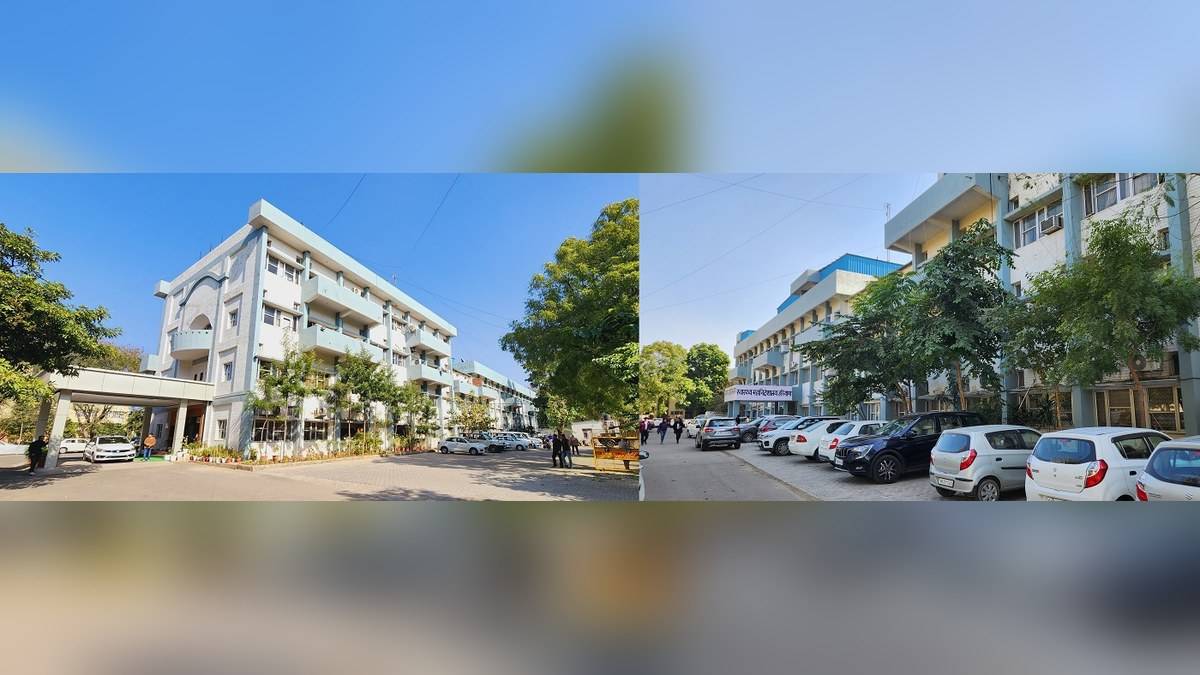
The old hospital building was demolished after it became unfit for use, according to both accounts. They describe patients subsequently relying on the Sector 10 Civil Hospital and private facilities, with increased pressure on the Sector 10 institution. Neither report supplies a verified new daily attendance figure, a waiting-list total or a breakdown of the proposed 400 beds by specialty.
What remains before construction
The next steps described in the November 26 accounts involve completing formalities and proceeding with tendering and construction. Sharma expressed an expectation that work would begin after the remaining procedures were completed. An expectation of an early start is different from a dated works order, and the common account does not provide a contractor's name or a confirmed completion date.
For residents tracking the project, the documents that would establish the next stage are the procurement notice, the award of work and a construction schedule. The reports reviewed for this article do not confirm those milestones. They also do not announce a change to outpatient timings, emergency access or existing treatment arrangements at Sector 10.
The Haryana Health Department's official website identifies the civil surgeon as the district head of health services. Civil hospitals are headed by principal medical officers, medical superintendents or senior medical officers. That administrative structure helps distinguish hospital service management from the separate corporation identified as the construction agency for the proposed building.
Existing expansion and oversight commitments
A separate state government release issued on May 26, 2026 described the expansion of the Sector 10 Civil Hospital from 100 to 200 beds, with a schedule ending in March 2027. This is an earlier commitment concerning the existing hospital. It should not be treated as the opening date for the proposed 400-bed Civil Lines facility.
The May review also set out monitoring requirements for healthcare construction. Civil surgeons and principal medical officers were directed to inspect renovation works jointly with public works engineers every fifteen days and send reports to state headquarters. Independent quality assurance and a dedicated infrastructure nodal officer were among the oversight arrangements described in that release.
Patient-facing requirements in the earlier review included usable toilets, drinking water, cleanliness, functioning air-conditioning and dependable generator backup. These are documented priorities against which hospital works can be assessed. The release does not, by itself, verify the present condition of each facility or confirm that every earlier deadline has been met.
Other local healthcare developments have their own scope. Earlier coverage described the AMRIT pharmacy at Sector 10, a Sector 52 clinic and reference laboratory and the Sector 102 hospital subsidy proposal. Those reports provide background on separate services and projects; they do not establish a construction timetable for Civil Lines.