
Gurugram Produces 70% of Haryana's Building Waste
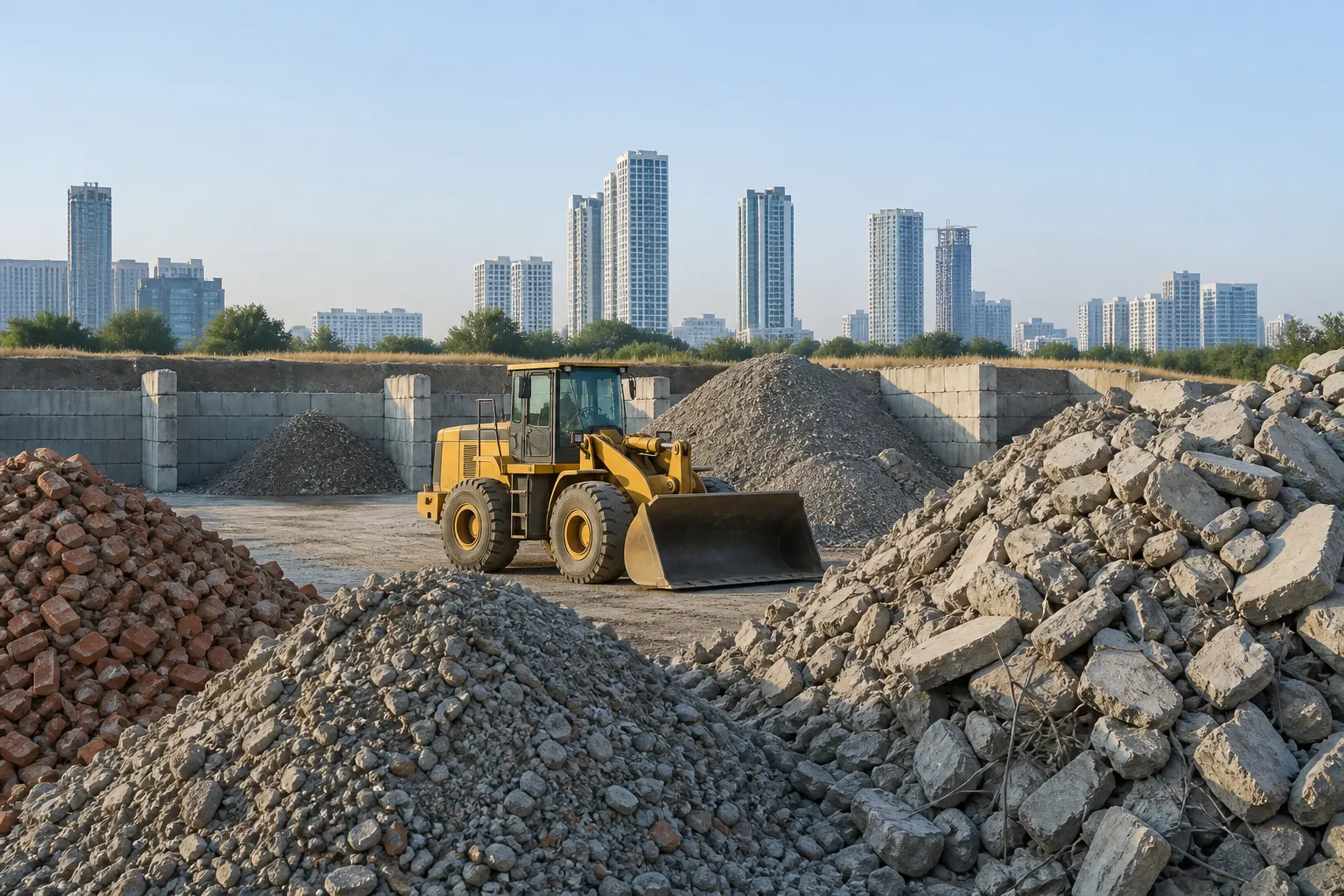
GURUGRAM: Gurugram produces about 1,500 tonnes of construction and demolition waste every day, close to 70 per cent of Haryana's estimated total, but collects only around 300 tonnes, according to a state pollution-control review. The figures expose a wide gap between the debris created by the city's building boom and the material entering an organised collection system.
Haryana's average daily C&D waste generation during 2024-25 was estimated at roughly 2,150 tonnes. Faridabad accounted for another 300 tonnes per day, while the remaining volume was spread across other districts. The findings were included in an annual review prepared by the Haryana State Pollution Control Board and submitted to the Central Pollution Control Board.
Across Haryana, daily collection stood at about 680 tonnes and reported processing capacity at 546.7 tonnes. Gurugram's own numbers are starker: for every five tonnes generated, only about one tonne is collected through the documented system. The uncollected balance does not automatically mean all of it is illegally dumped, but it shows how much material is outside the reported municipal chain.
Construction debris left on roadsides, vacant plots and drain edges is more than an aesthetic problem. Fine dust worsens local air quality, heaps narrow carriageways and dumped material can obstruct stormwater flow. Mixed debris is also harder to recycle because soil, plastic, wood and sanitary waste must first be separated.
Four storage sites operating, 16 more proposed
Gurugram currently has four operational sites dedicated to C&D waste storage. The district plans to create 20 in total, with the remaining 16 proposed by the end of 2026 under a clean-city action plan. Gurugram is among only four Haryana districts reporting disposal through dedicated recycling or processing facilities.
The wider state picture remains uneven. Eleven districts reported using 96 low-lying locations or other sites for landfilling, and 6,148.11 tonnes of C&D waste was disposed of through that route during 2024-25. The review also found limited segregation and monitoring systems in most districts.
Enforcement is taking place, but its scale must be judged against daily generation. Urban local bodies issued 1,251 challans and imposed penalties totalling Rs 1.106 crore for breaches of disposal norms during the review period. Most municipalities still rely on manual patrols, while only 27 had appointed magistrates to take penal action under waste rules.
Gurugram needs a system that is easier to use lawfully than to evade. Builders and households carrying out renovations should be able to book collection, receive a digital receipt and track delivery to an authorised facility. Small collection points must be close enough to reduce informal roadside dumping, while large projects need weighbridge-linked records.
Publishing ward-wise generation, collection and processing data would show where the 1,200-tonne daily gap is greatest. Penalties should focus on repeat commercial offenders, but municipal agencies must also clear reported piles quickly and hold their own contractors to the same standard.
The new storage sites can help only if collection capacity, transport and recycling expand alongside them. Gurugram's construction economy has made it Haryana's dominant source of debris. The city's waste infrastructure now has to catch up with the skyline it helped create.
Sources and reporting
Based on the Haryana State Pollution Control Board's 2024-25 annual review submitted to CPCB and verified municipal enforcement figures.
Related Stories
Haryana Clears Phase 2 Metro Civil Works Package

Italian Woman FIRs Alleged Gurugram Romance Scam

DC Freezes 71 Builders' Accounts Over HRERA Dues

Biker Dies After Thar Hit on Golf Course Road

Court Orders Probe Into Body Handling Lapses