Girls Travel Up to 30 Km for Affordable Schooling in Parmanandpur
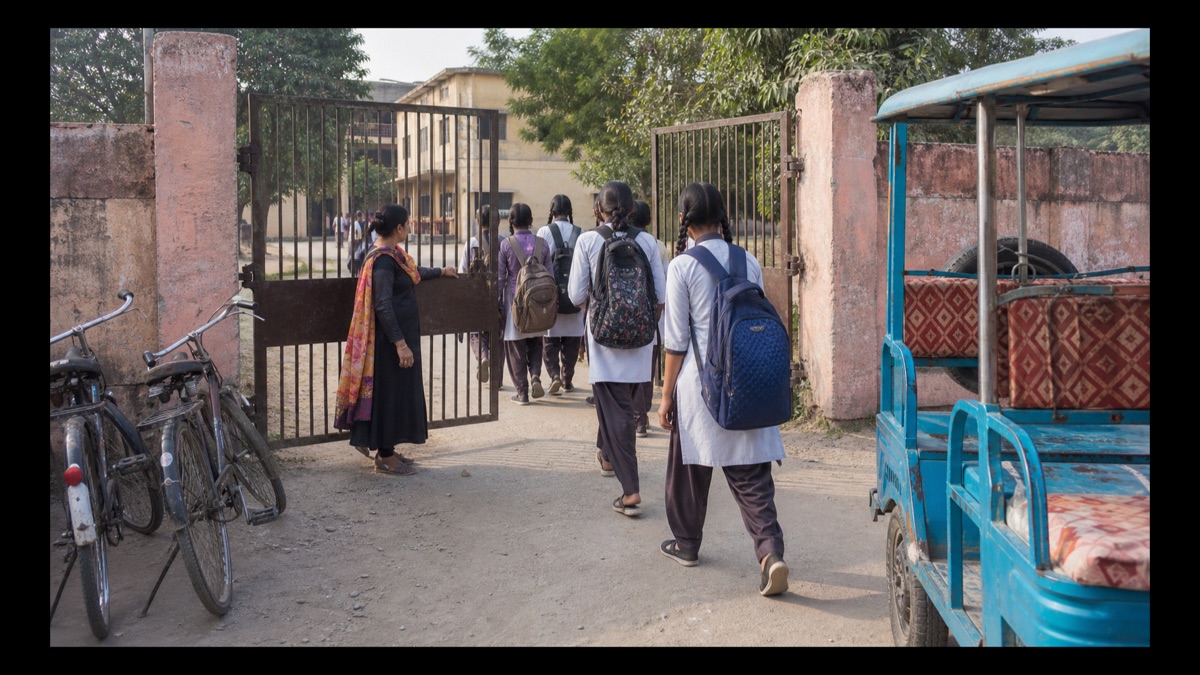
VARANASI: Some girls are travelling 20 to 30 kilometres to attend Vikas Inter College in Parmanandpur, choosing a long daily commute because their families say the school is more affordable than closer options. The journey exposes both sides of access to education around Varanasi: a school can open a door, yet distance, fares and safety still decide who reaches it.
Students and parents interviewed in a field report said nearby institutions can charge monthly fees of roughly ₹400 to ₹600, while the Parmanandpur college costs less. The school also offers sports training without an additional charge, according to the account. Those amounts vary by class and institution and should not be treated as a complete fee comparison without written schedules.
The principal said the institution began in 2001 with seven students and now serves about 15,000. That is an exceptionally large enrolment claim and warrants confirmation from the recognised school database, examination-board records and current attendance registers. The school also reportedly collects old textbooks so they can be passed to children who cannot afford new copies.
Whatever the final enrolment figure, the commuting stories show clear demand. A 30-kilometre trip may mean leaving before daylight, changing vehicles and returning after rain or darkness. The direct fee saving can be consumed by transport costs, while missed buses or unsafe stops raise the risk of absence. Girls are often the first to lose classroom time when a route becomes unreliable.
Local education officials should map where students are coming from and why closer schools are being bypassed. The answer may involve fees, subject choices, teaching quality, toilets, sports or family perceptions of safety. That evidence can guide bus routes, bicycle support or improvements at nearer institutions rather than expecting every child to absorb a long commute indefinitely.
The school itself should publish a clear fee schedule, recognition details, teacher strength, classroom capacity and a contact for complaints. If free sports coaching is a major draw, trained staff, safe equipment and separate changing facilities should be documented. Book-reuse programmes work best when editions match the current syllabus and the distribution process protects a child’s dignity.
For families, affordability is not merely a low number on a receipt. It includes transport, uniforms, books, examination charges and the time a student spends on the road. Scholarships and government entitlements need to reach eligible children without unofficial payments.
The girls arriving in Parmanandpur are demonstrating commitment, not proving that a 30-kilometre school run is acceptable. Their journeys should prompt the district to ask why a lower-cost, trusted education is so far from home—and how the same opportunity can be brought closer.
Sources and reporting
Based on an August 17, 2026 Khabar Lahariya field report and statements from students, families and the principal. Enrolment and fee claims require confirmation from official school records.
Related Stories

Dalimss 20 Under 40 Varanasi 2026: Meet the 20 Young Achievers Making Their Mark on Banaras
Biker Dies After Thar Hit on Golf Course Road
Court Orders Probe Into Body Handling Lapses
Two Held After Rs 54,000 Robbery Near Rampura
Manduadih Fan Warehouse Fire Burns for Hours; No Deaths Reported