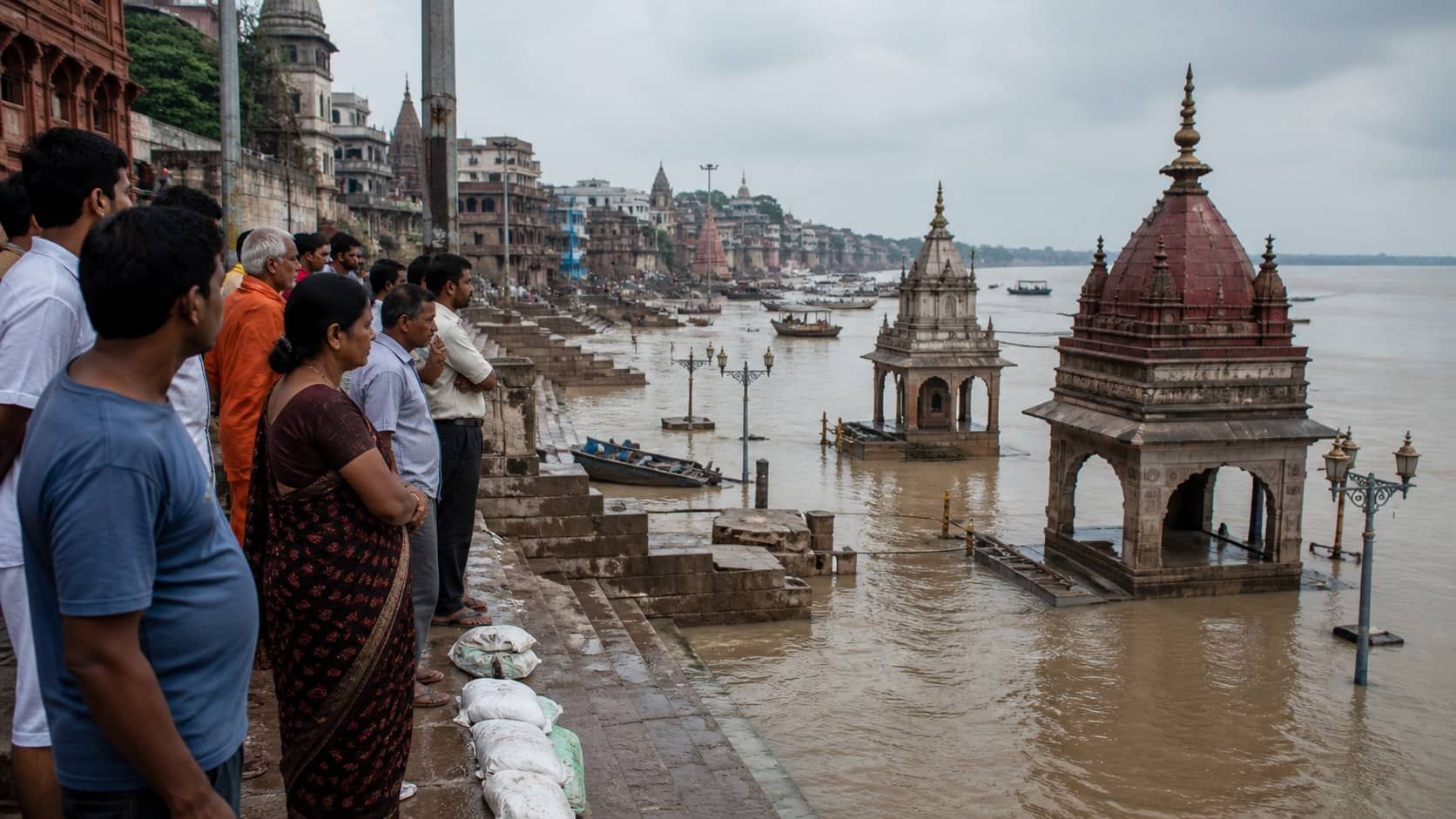
VARANASI: Rising water in the Ganga and the Varuna has begun entering religious sites and residential pockets, with Sheetla temple inundated and backflow from the Varuna reaching homes around Shailputri.
The Ganga was reported at 68.12 metres at 6 pm on Wednesday and 68.18 metres at 8 pm, rising at roughly three to five centimetres an hour. Forecasts cited in the local report indicated a further increase over the following 24 hours. At Namo Ghat, lower steps were submerged. Around Sheetla temple, water covered the approach and left steps under the river.
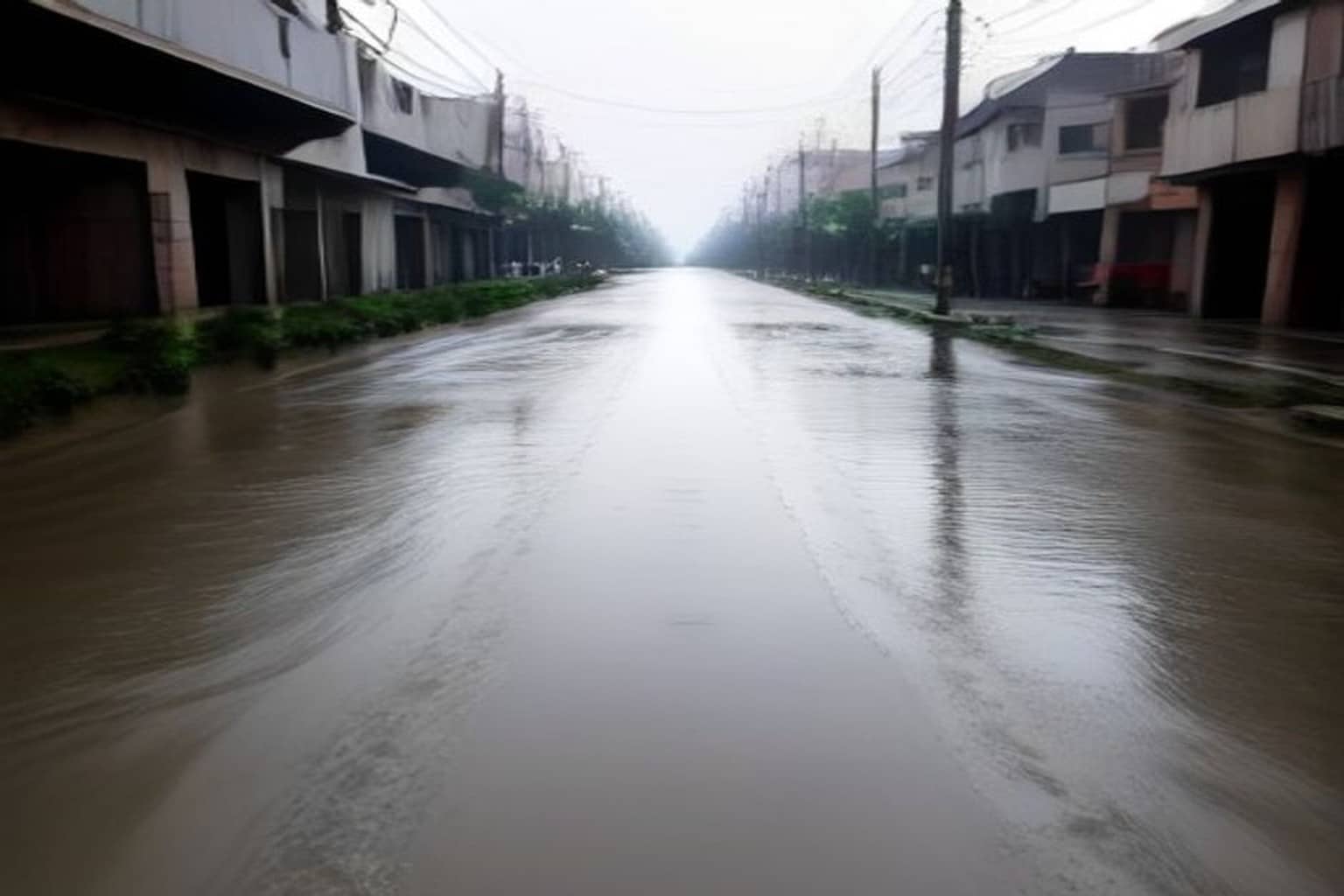
The more worrying change is away from the open ghats. Backflow in the Varuna affected dozens of houses in the Shailputri area, while families in Pulkoha and the Bhatta locality began shifting belongings. Low-lying parts of Betawar and areas towards Karsada were also reported affected. When river water enters lanes, electricity, sanitation and access to medicines can deteriorate before a house is fully flooded.
District Magistrate Satyendra Kumar directed departments to maintain patrols, activate flood posts, arrange boats and keep relief material ready. Schools have been identified as temporary shelters in vulnerable areas. The administration also ordered attention to fodder and vaccination for livestock, an essential detail because many rural households cannot evacuate safely if cattle are left without support.
Residents in Dhaba said surrounding water had forced a detour of about 10 kilometres and renewed their demand for boats. The settlement has a sizeable population, and a long road diversion can turn a routine trip for food or treatment into a serious problem. Boats deployed for public use must be registered, crewed by trained operators and equipped with life jackets; crowding a small craft creates a second emergency.
Near Ramna, water had reached the cremation area and threatened lower portions of Ramna, Tikri, Tarapur and Sarai Dangri. Funeral arrangements on the ghats are often among the first city routines displaced by a rising river, but the same water also moves waste and contaminants through residential spaces. Families returning to a partially flooded home should avoid direct contact where possible and keep drinking water covered.
This is a new phase of the flood watch, not a repeat of the earlier announcement that Varanasi had readied posts and camps. The operational question now is whether boats, shelter staff, toilets, food, lighting and medical help reach the places where water has actually entered.
People in low-lying areas should move documents, medicines, phone chargers and children’s essentials before nightfall rather than waiting for water at the doorstep. River levels can change after rainfall upstream even when the city itself is dry. The ghats remain the most visible measure of the Ganga, but the sharper human impact is now being felt in the narrow lanes and riverside homes behind them.