BENGALURU: Most Indian machine shops buy their CNC machines from Germany, Japan, Taiwan or China, and the controllers that run them almost always come from abroad. Ethereal Machines, a Bengaluru company started in 2014, took the harder route. It designs and builds its own 3-axis and 5-axis CNC machines, runs them on its own factory floor, and sells the finished parts to aerospace, medical and electronics customers.
That model, which the company calls Machining-as-a-Service, has drawn real money. In June 2026 Ethereal announced a US$28.5 million Series B round led by Avataar Ventures, with existing investor Peak XV Partners also taking part. Here is what the company does and what it plans to do with that cheque.
What a 5-axis machine does
A CNC machine cuts metal or plastic by following a computer program. A basic 3-axis machine moves its cutting tool left and right, forward and back, and up and down. A 5-axis machine can also tilt and rotate the part or the tool, so it can reach awkward angles in a single setup. That matters for parts like turbine blades, aerospace brackets and medical implants, where curved surfaces and tight tolerances leave little room for error.
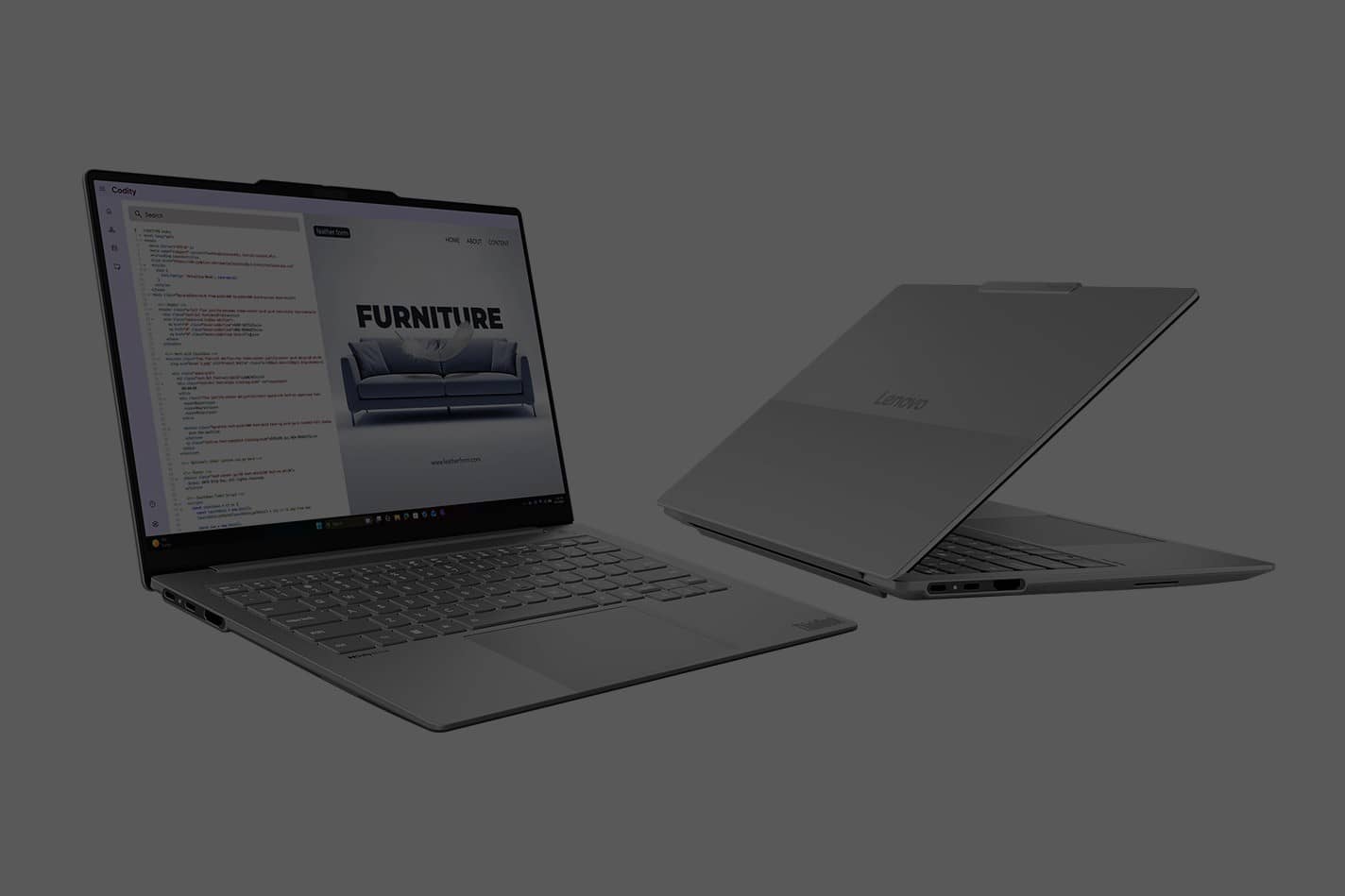
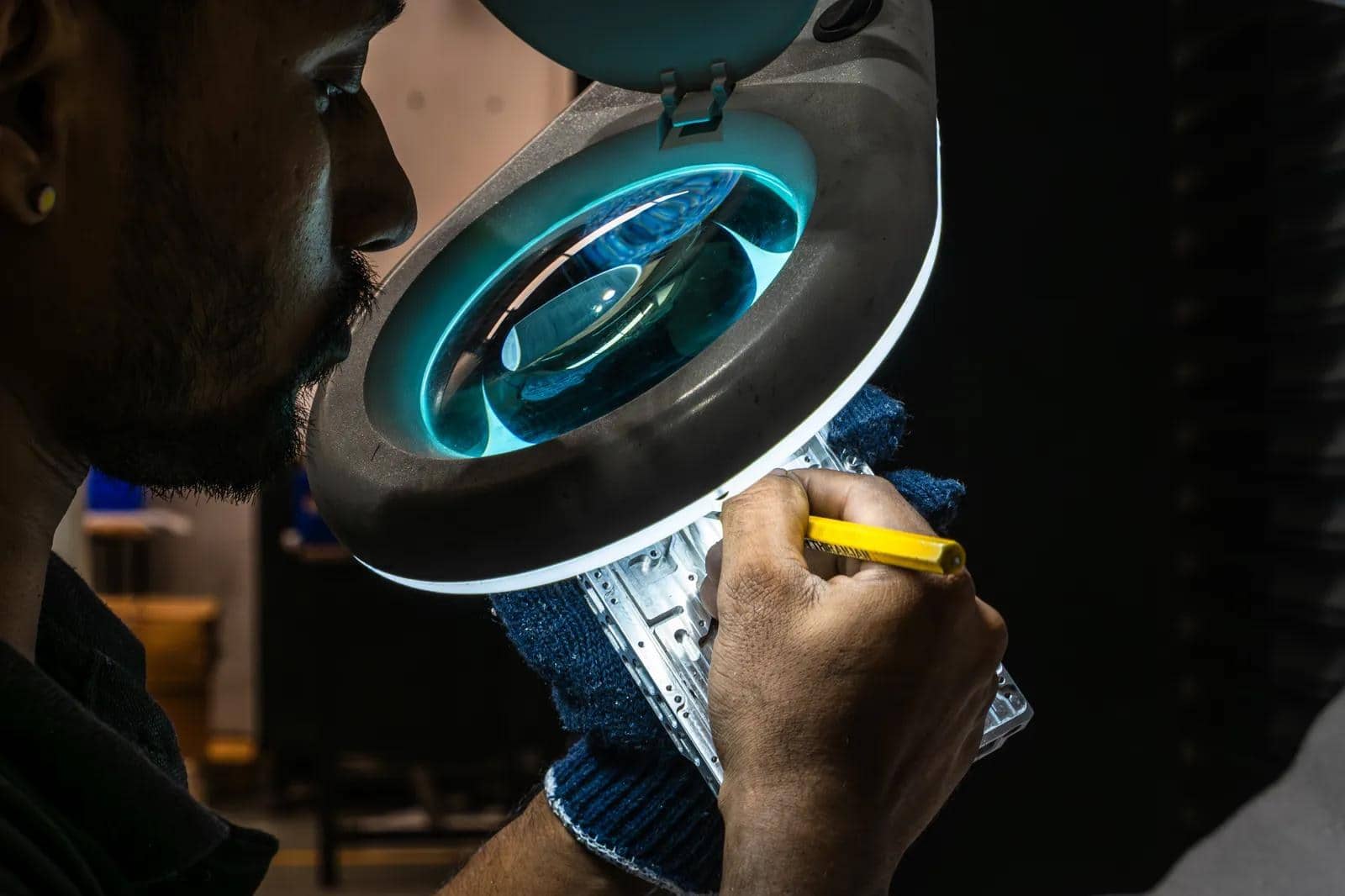
Ethereal makes two machine lines, according to its website. Nimbus is its 5-axis platform and Aura is a 3-axis machine built for production work. Both are designed, assembled and tested in-house. The company says tolerances on its parts go as low as plus or minus 0.005 mm, which it validates for each part family, and that every part is probed on the machine and checked on a coordinate measuring machine before it ships.
Selling parts, not machines
The interesting choice is the business model. Ethereal does not mainly sell its machines to other factories. A customer uploads a 3D model or drawing, the company's engineers review whether the part can be made and flag risks, and they send back a quote and lead time. The site says it never issues automatic quotes. Parts are then cut, inspected and shipped from Bengaluru with material certificates and inspection reports.
It holds AS9100D certification, the quality standard used across the aerospace supply chain, along with ISO 9001 and ISO/IEC 27001 for information security. It also follows AS9102B for first-article inspection. Those badges are what let a small supplier bid for work on aircraft and space programmes, where buyers insist on full traceability for each part.
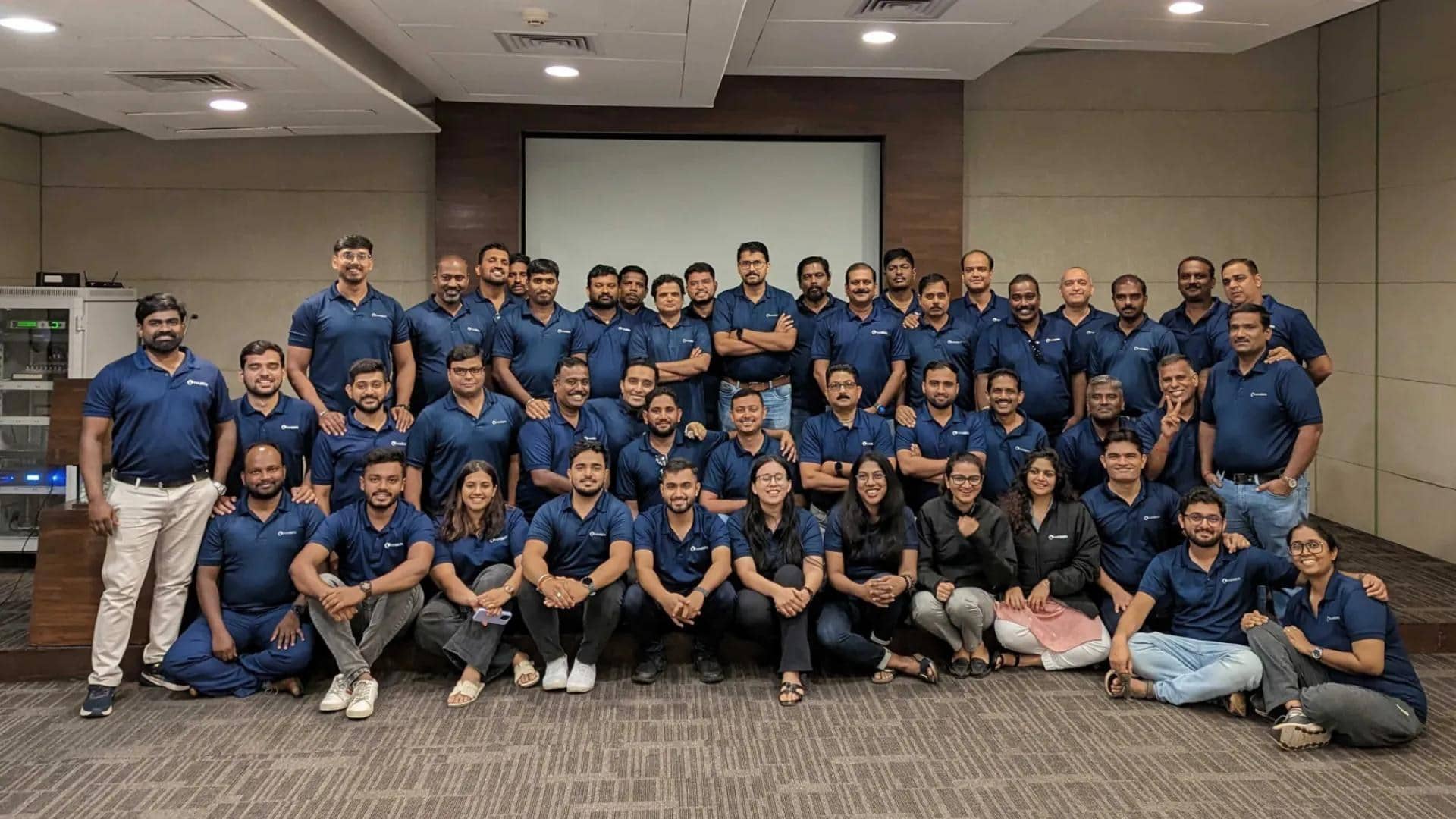
The about page says 277 people work on a single floor in Bengaluru's Yeswanthpur industrial area, with engineering, production, quality and supply chain all in one place. The company also says its engineering won a Best of Innovation award at CES 2018, and calls itself the first Indian company to win that honour.
For buyers, the pitch is simple: one supplier that both builds the machines and runs them, so problems with fixtures, toolpaths or machine behaviour are fixed in-house rather than passed between a machine vendor and a job shop. Whether that holds up at higher volumes is what the new factory will test.
What the Series B pays for
The company's announcement lists five uses for the money. The biggest is a new 300,000 sq ft factory on the outskirts of Bengaluru, under a memorandum of understanding with the Government of Karnataka. The second is what Ethereal describes as India's first indigenous multi-axis CNC controller, the electronics and software brain of a machine that the company says has until now been imported.
The rest of the list covers an AI-driven factory software platform meant to turn a drawing into a validated production process, new teams in the United States and Europe to serve overseas customers directly, and more capacity for precision parts in aerospace, healthcare, semiconductors and consumer electronics.
According to the same announcement, the round came about 18 months after a US$13 million Series A, and in that time Ethereal tripled its Machining-as-a-Service revenue year on year and scaled production capacity tenfold. The company does not disclose actual revenue figures, so those growth rates cannot be checked against a base.
Who runs it
The co-founders named on the company's press page are Kaushik Mudda and Navin Jain. The same page describes the factory as running 75 CNC machines around the clock. Ethereal also runs a careers page and a newsroom, and invites journalists to request interviews or floor visits.
Why it matters for Indian manufacturing
India's push into aerospace, defence, space and electronics manufacturing depends on a deep base of precision suppliers, and that base is still thin. Machine tools and controllers are a weak spot. If Ethereal's controller works and reaches production, it would cut one dependency that every Indian machine builder faces, and it could in time be sold to other machine makers too. That is a big if, and the company has not given a date for the controller.
The space sector shows the demand. Dalimss News has reported on Agnikul's Rs 200 crore support for reusable rocket work, and launch companies like it need suppliers who can machine complex parts in exotic alloys. On factory floors, companies such as Ati Robotics are building robots to move material inside plants, part of the same broader effort to make Indian factories more automated.
The things to watch at Ethereal are the start of construction on the Karnataka factory, a launch date for the CNC controller, and the first named overseas customers for its US and European teams. Those will show whether a Bengaluru machine shop can compete for precision work that today mostly goes to Europe, Japan and China.