
Delhi-Varanasi Bullet Train Corridor Update: Travel Time to Lucknow Could Drop Sharply
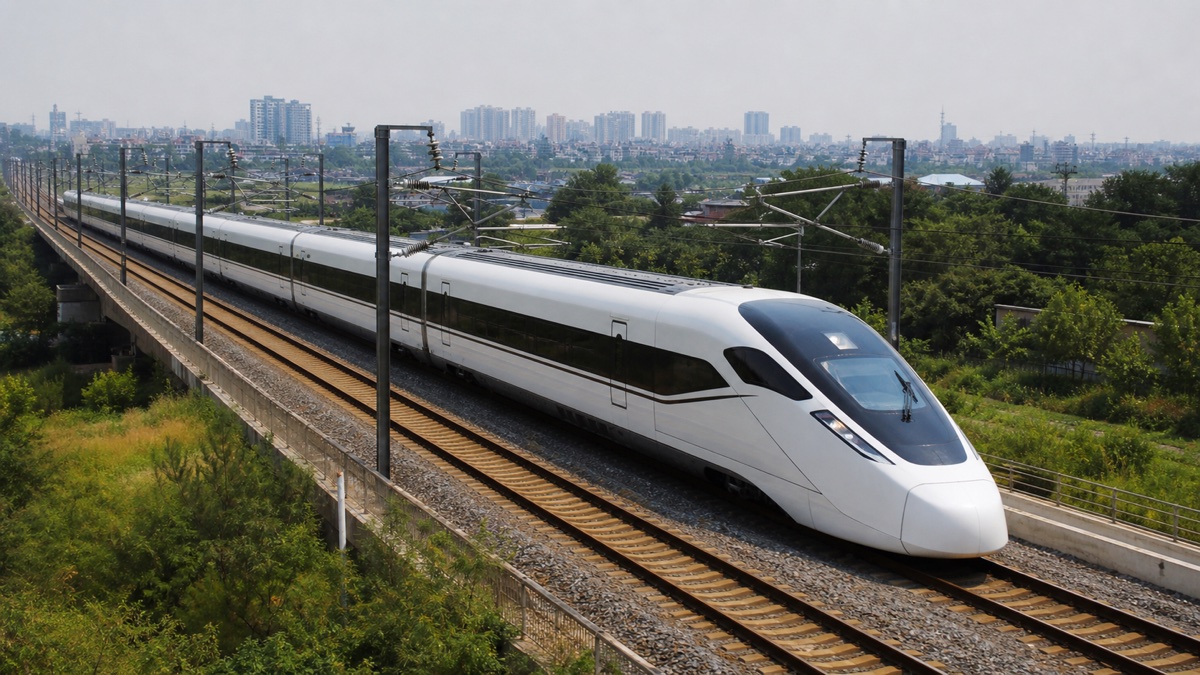
Varanasi/New Delhi, June 29, 2026: Railway Minister Ashwini Vaishnaw has shared a fresh update on the proposed Delhi-Varanasi high-speed rail corridor, with reports saying the project could sharply reduce travel time between major cities in Uttar Pradesh once it becomes operational.
The corridor remains a proposed high-speed rail project. Dalimss News is not reporting that construction has started, that the service is operational, or that every stage has received final clearance. Further official project-stage details are awaited from the railway authorities.
What the Railway Minister Said
The Railway Minister has indicated that the Delhi-Varanasi bullet train corridor is expected to strengthen connectivity across north India and improve travel between Delhi, Jewar, Lucknow, Varanasi and other cities linked to the wider route planning.
Some reports also referred to a broader high-speed rail vision that could connect Delhi with Lucknow, Varanasi, Patna and Siliguri. The final route alignment, construction timeline, station plan and operational details should be treated as pending until officially notified.
Expected Travel Time Benefits
Reports said the proposed corridor could reduce travel time between Delhi and Lucknow to about 2 hours and 10 minutes. Travel between Jewar and Lucknow could reportedly take about 1 hour and 40 minutes once the high-speed system is operational.
These figures are expectations connected with the proposed high-speed network. Actual timings would depend on final route length, station stoppages, operating speed, approvals and project execution.
Why Varanasi Could Benefit
For Varanasi, improved high-speed rail connectivity could support tourism, pilgrimage movement, business travel and regional development. The city already attracts a large number of visitors because of Kashi Vishwanath Dham, the ghats, BHU, trade links and growing infrastructure investment.
A faster connection to Delhi and Lucknow would also matter for students, patients, entrepreneurs and professionals who regularly move between Varanasi and other urban centres. If extended toward eastern India, the corridor could improve Varanasi's role as a regional mobility hub.
Project Stage and Details Awaited
The key questions remain route finalisation, land requirements, construction schedule, financing, station locations and integration with existing rail and urban transport systems. No commuter should treat the reported timings as present-day travel options.
The project will be closely watched across Uttar Pradesh because high-speed rail can change travel behaviour only when planning, funding and execution are clearly aligned. Dalimss News will update this report when the Railway Ministry or project authorities release specific official documents.