Dalmandi’s 74-Year Shabbedari Remembers Bibi Sakina Through Night of Majlis
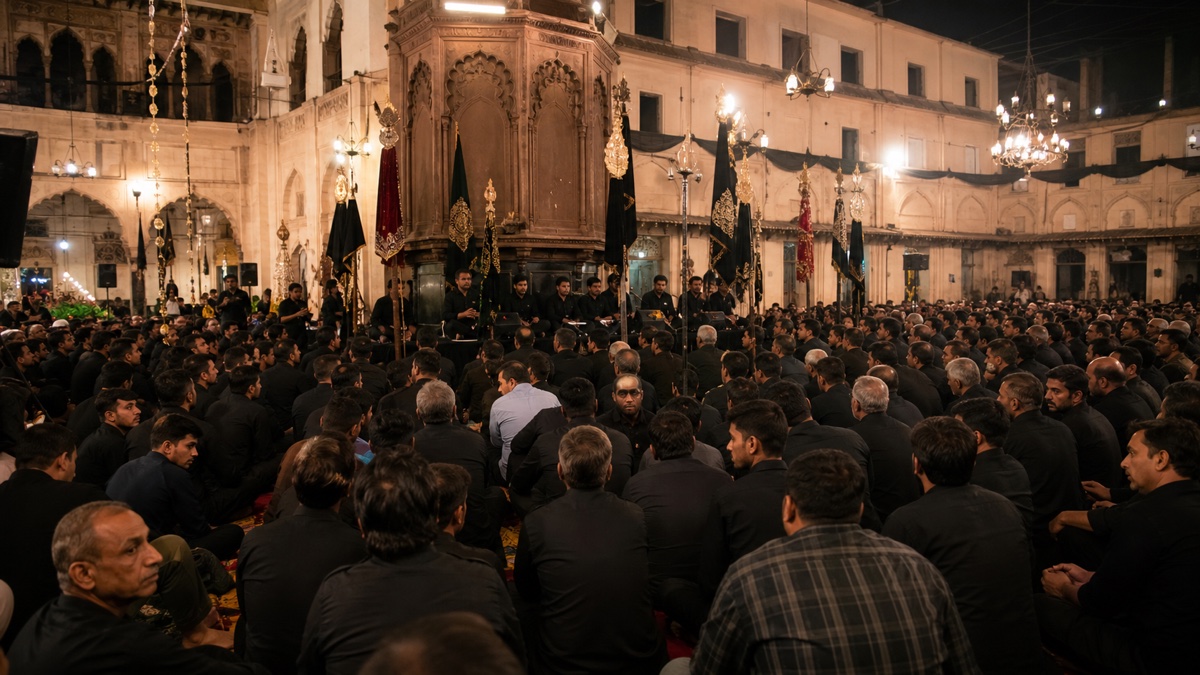
An overnight Shabbedari with a 74-year history was held at Hakim Kazim Sahib Imambara in Dalmandi, bringing clerics, anjumans and mourners together during the closing week of Ayyam-e-Aza. The gathering centred on Bibi Sakina, the young daughter of Imam Hussain, whose suffering after Karbala occupies a deeply emotional place in Shia remembrance.
Organised by Anjuman Haidari, Chowk Banaras, the programme continued until about 7 am. Secretary Naib Raza said the Dalmandi Shabbedari has a distinctive format: instead of relying only on visiting mourning groups, it invites khatibs from different cities to deliver successive majlis through the night, each connecting the history of Karbala with the virtues and trials of the Ahl al-Bayt.
The first majlis was addressed by Maulana Engineer Amber Abadi from Lucknow, followed by nauhakhwani and matam from Anjuman Gulzar Abbasia. Maulana Syed Gulzar Hussain Jafri, who came from Taragarh in Jaipur, delivered another majlis before Anjuman Jawadia presented its mourning recitation. Maulana Syed Zafar Ali Rizvi from Chhaulass then spoke, followed by Anjuman Abidia.
Varanasi cleric Maulana Nadeem Asghar delivered the concluding majlis. A symbolic taboot of Bibi Sakina was then taken out, and Anjuman Haidari recited the old Banarasi nauha “Kya Andhera Hai Phuphi.” Organisers described the elegy as a roughly century-old part of the tradition. The account said many mourners were overcome with emotion as the suffering of Sakina and the loyalty of Hazrat Abbas were recalled.
Dalmandi is often discussed only through traffic, trade or redevelopment. Events such as this show another layer: institutions, processions, oral compositions and family participation that have carried collective memory across generations. The Shabbedari is not a staged heritage show for visitors. It is a living religious observance, and reporting it requires respect for the worshippers rather than treating mourning as spectacle.
That respect includes crowd and fire safety in dense old-city buildings, clear movement routes and cooperation between organisers and the administration. It also means preserving the poems and local recitation styles without stripping them from their devotional setting. Audio archives can be valuable when recorded with consent and catalogued by the community itself.
The night ended, as it has for decades, with a familiar lament voiced by a new gathering. Its continuity rests not on age alone but on people who continue to organise, travel, recite and listen. In a city crowded with grand narratives, Dalmandi’s Shabbedari remains an intimate Banarasi tradition of grief, faith and remembrance.
Sources and reporting
Based on the gathering organised by Anjuman Haidari, Chowk Banaras, and details provided by its secretary Naib Raza.
Related Stories

Dalimss 20 Under 40 Varanasi 2026: Meet the 20 Young Achievers Making Their Mark on Banaras

Biker Dies After Thar Hit on Golf Course Road
Court Orders Probe Into Body Handling Lapses
Two Held After Rs 54,000 Robbery Near Rampura
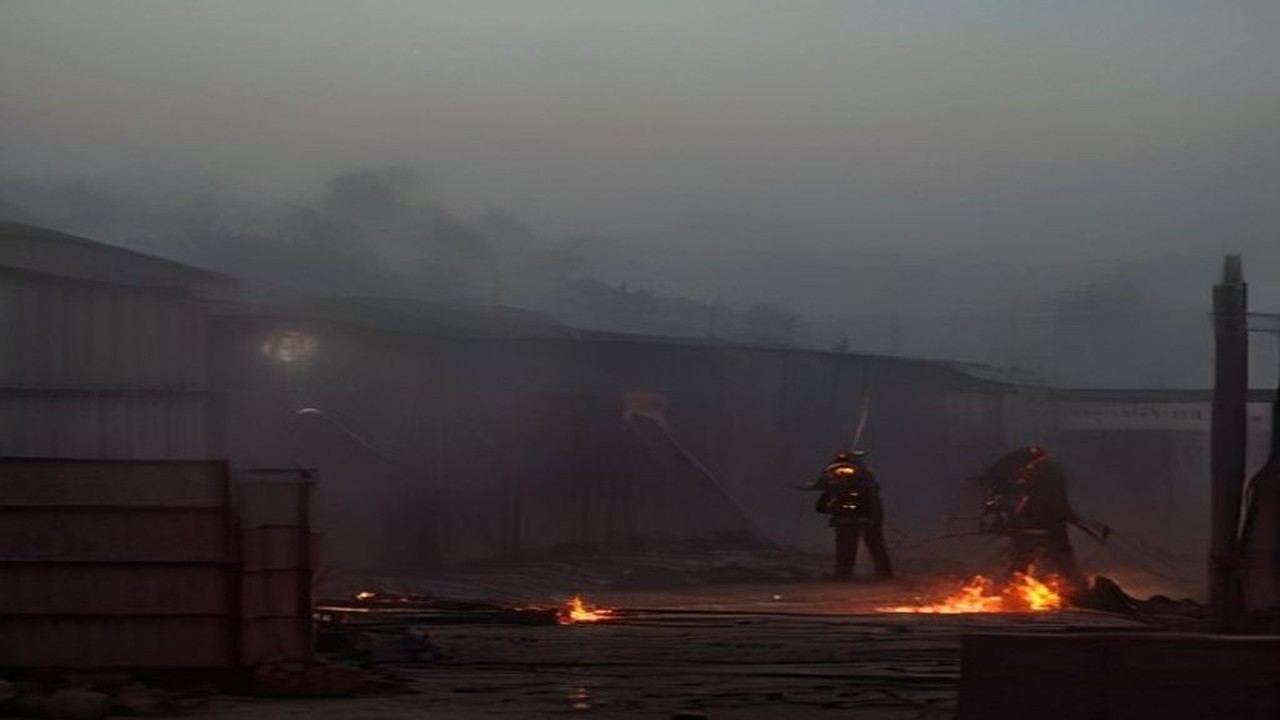
Manduadih Fan Warehouse Fire Burns for Hours; No Deaths Reported