
Chetganj Police Arrest Councillor After Widow’s Molestation Complaint
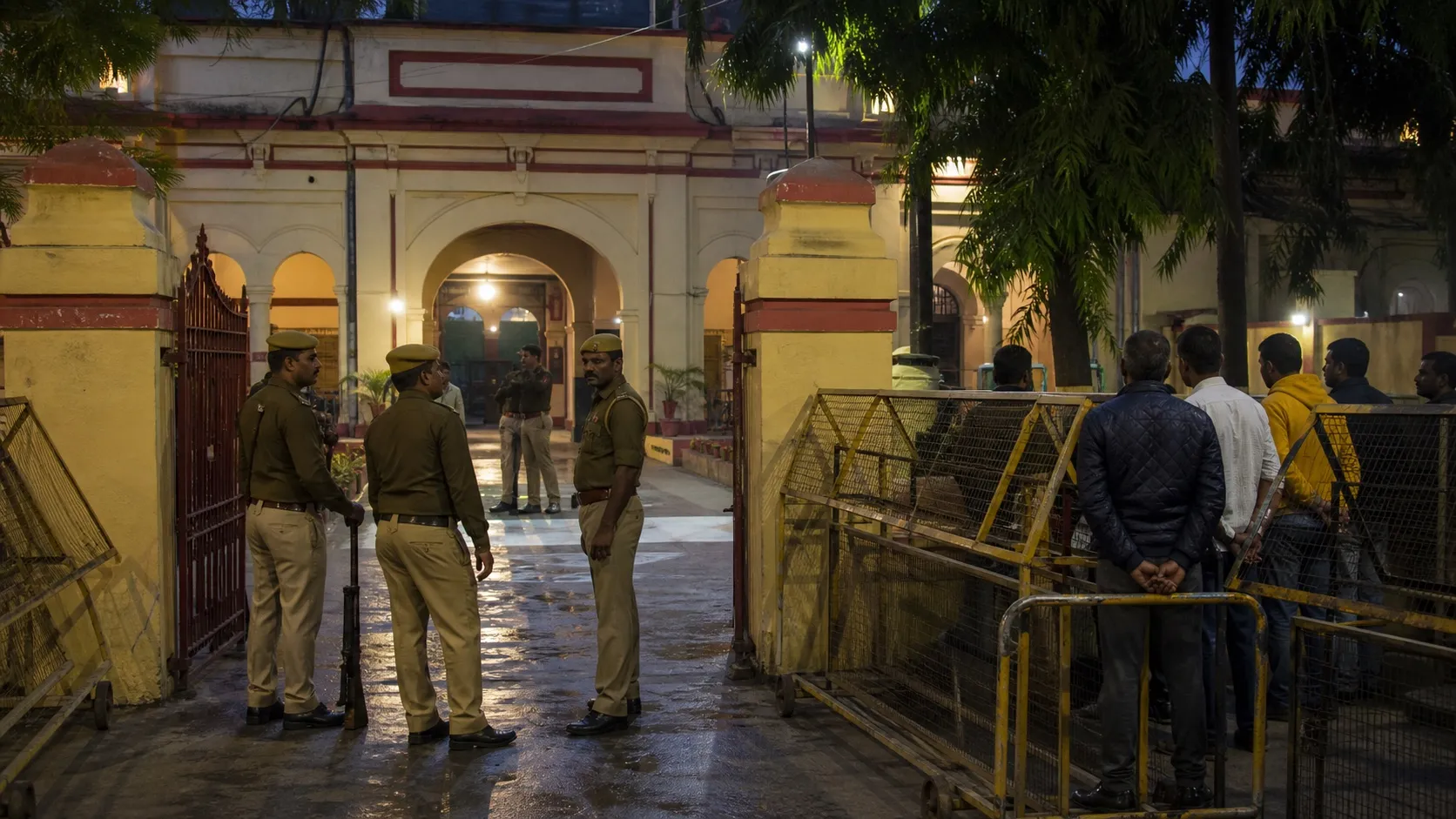
Chetganj Police arrested Madhyameshwar ward councillor Bhaiyalal Yadav on Friday night after a widow accused him of molestation, according to the police account of the case. Officers said he was detained from the Kabirchaura area following registration of an FIR. The woman’s identity is being withheld, as it should be in reporting on an allegation of sexual harassment.
Police said a group of the councillor’s supporters later gathered at the station and pressed for his release, creating a tense scene during the night. A political office or a crowd at the station cannot decide whether a complaint is true, nor can an arrest settle that question. The proper route is an impartial investigation in which the complainant’s statement, any available witnesses, location records and other material are collected and placed before the court.
The case carries an added public-interest dimension because the accused is an elected ward representative. Councillors routinely deal with residents over sanitation, roads, water supply and documents, a role that can create a significant power imbalance when a citizen brings a personal grievance. That makes institutional handling especially important: the complainant must be able to participate without intimidation, while the accused must receive the same due-process protections available to any other person.
Supporters are free to seek information, arrange legal assistance or protest peacefully, but attempting to influence police action inside a station risks undermining both the investigation and public confidence. Police, for their part, must record any disturbance proportionately and avoid treating political affiliation as evidence. If separate offences are alleged in connection with the gathering, those too require specific facts and lawful procedure.
The FIR represents the beginning of a criminal investigation, not a verdict. Officers will need to document the timing and circumstances described by the complainant and test the account against corroborating material. The councillor can answer the allegations through counsel. Any party publicising private details about the woman, pressuring her to withdraw, or circulating unverified claims could cause further harm and complicate the legal process.
Varanasi’s residents should be able to expect two things at once: that a complaint against a politically connected person is taken seriously, and that conclusions are not announced before evidence is examined. The credibility of the case will depend on that balance. Further reporting should focus on the investigation and court record, not on partisan theatre outside the police station.
Political parties also have a responsibility to avoid converting the complainant into a prop for either defence or attack. Internal disciplinary choices are separate from the criminal case, but public representatives can insist that supporters cooperate with investigators and respect privacy. A restrained response would protect the process far better than competing claims made before the evidence has been recorded.
Sources and reporting
Based on the complainant’s allegations, the Chetganj Police action and locally verified reporting available on August 8, 2026. The complainant is not identified and the accused is presumed innocent unless convicted.
Related Stories

Festive Special to Gorakhpur Gets Gurugram Halt

Fifth Accused Held in Rs 25 Lakh Sector 47 Robbery

Courier Staffer Booked Over 105 Missing One8 Returns

HC Sets Rs 50 Lakh Costs for Accused's Return to India

Gurugram Swimmer, 20, Crosses English Channel